Navigating the logistics of shipping for the Canton Fair 2026 requires careful consideration. The event, taking place in April and May, will showcase advanced manufacturing, electronics, and more. This massive trade fair spans over 1.55 million square meters. As companies prepare, they must address logistics efficiently. When deciding, "How to choose between air, sea, and rail freight" becomes crucial.
Expert logistics consultant John Smith suggests, "Choose freight methods based on urgency and cost." Air freight is fast but expensive. It suits time-sensitive products but may not be feasible for large shipments. Sea freight is cost-effective for bulk items, yet it takes longer. Rail freight offers a balance, with competitive pricing and decent speed.
Reports indicate that 60% of logistics professionals are shifting towards hybrid freight solutions. This adjustment highlights the need to reassess logistics strategies continually. The selection process isn't straightforward, often requiring deeper analysis of specific goods and market demands. Each method has its merits and drawbacks. Reflecting on these choices will help ensure successful participation in the Canton Fair, enhancing overall supply chain dynamics.
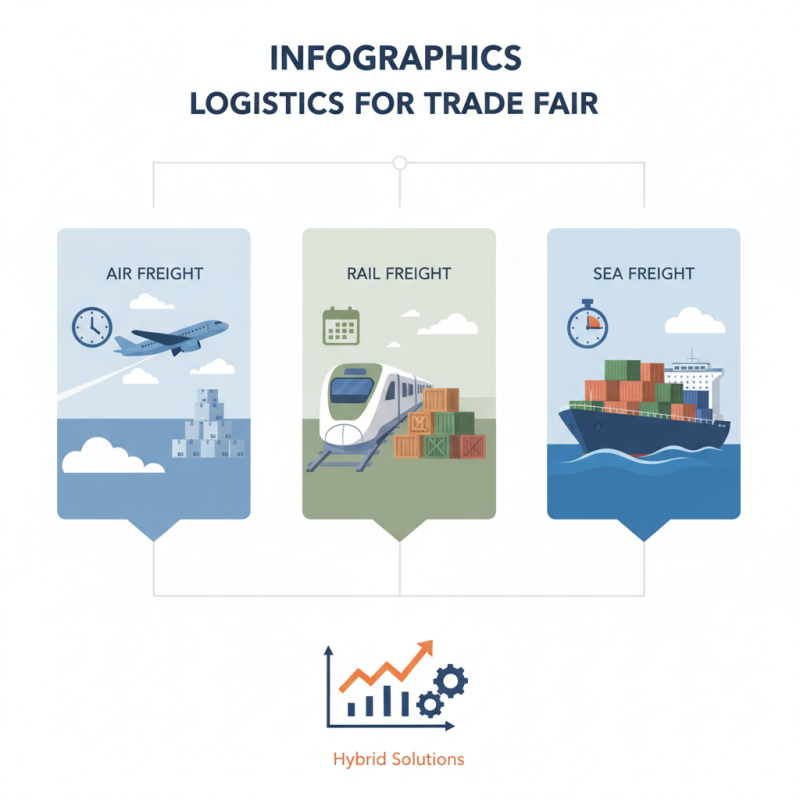
Choosing the right freight option for attending the Canton Fair 2026 is crucial. Air, sea, and rail transport each have unique benefits and drawbacks. Air freight is the fastest. It's perfect for urgent shipments, but costs are typically higher. Good for high-value items, it ensures timely delivery but may require reflective budget adjustments.
Sea freight, while slower, is more economical for bulk shipments. It’s ideal for larger quantities but comes with longer transit times. You must consider the delays, especially when planning for the fair. Think about how this impacts your inventory and responsiveness to demand.
Rail freight offers a balance between speed and cost. It's often overlooked but can be a reliable option. It allows for larger shipments without the freight costs of air transport. However, rail can be irregular due to scheduling. Evaluate your timelines carefully. Consider factors such as distance and destination logistics when making your choice. Each option presents challenges and rewards.
When selecting freight for the Canton Fair 2026, several factors come into play. Air freight is typically faster. Reports indicate that it can reduce shipping time by up to 75%. However, it often comes with higher costs. A key trade-off is speed versus budget. Businesses may face pressure to minimize expenses.
Rail freight offers a middle-ground solution. It is slower than air but generally cheaper. According to logistics data, rail transport can be 20-30% less expensive than air freight. This option is ideal for larger shipments or less time-sensitive goods. Balancing cost efficiency is crucial here.
Sea freight remains the most economical option. It can take weeks but is cost-effective for bulk shipments. Around 90% of global trade by volume moves via sea, highlighting its importance. Businesses must weigh the urgency of delivery against shipping expenses. All these factors should be carefully considered for optimal logistics planning for the Canton Fair.
When considering options for shipping to the Canton Fair 2026, understanding costs is essential. Air freight offers speed but often comes with higher expenses. Sea freight is more economical but can take weeks. Rail freight presents a middle ground, providing reasonable prices and decent transit times.
Tips for choosing the right method: Calculate your budget. Are you ready to pay more for faster delivery? Assess your timeline. If you have time, sea freight could save money. Consider your cargo type. Perishable goods require quicker transport, making air freight a necessity.
Delays can happen with all shipping methods. Sea freight can be affected by weather. Air freight may face congestion. Rail can have unexpected travel times. Consider your needs carefully before making a choice. It’s crucial to strike a balance between cost and urgency for a successful trip to the fair.
| Freight Method | Average Cost per Ton | Transit Time | Best Used For | Environmental Impact |
|---|---|---|---|---|
| Air Freight | $2,000 USD | 1-3 days | High-value or urgent shipments | High |
| Sea Freight | $800 USD | 20-30 days | Large shipments and bulky goods | Low |
| Rail Freight | $1,200 USD | 10-14 days | Heavy and bulk commodities | Moderate |
Choosing the right freight method for the Canton Fair 2026 is essential. Air, sea, and rail freight each come with unique benefits and drawbacks. Delivery speed is a critical factor. Air freight is the fastest option. You can expect your goods to arrive in days. However, it can be costly and is not suitable for bulky items.
Sea freight, on the other hand, is slower. It can take weeks for products to reach their destination. Yet, it is much more economical for large shipments. This method is ideal for businesses dealing with machinery or bulk goods. Reliability in sea freight can be problematic due to weather and port congestion. Always prepare for potential delays.
Rail freight sits between air and sea in terms of speed and cost. It's generally reliable but can vary based on routes. Ideal for shipments across land, rail transport can face delays due to track issues.
Tips:
- Always compare quotes before deciding.
- Check transit times to plan effectively.
- Consider item dimensions and weight when choosing.
Being aware of these factors can help you navigate your freight options better. Don't forget, planning is key to smooth logistics.
Choosing the right mode of freight for the Canton Fair 2026 involves more than just cost.
Sustainability is a crucial factor.
Air freight is often the fastest, but it comes with high carbon emissions. Reports indicate that air transport produces
approximately 500 grams of CO2 per ton-kilometer. In contrast, rail freight is substantially more eco-friendly,
emitting around 40 grams per ton-kilometer.
Sea freight, while slower, remains a preferred choice for many large shipments because of its lower
environmental impact. It averages around 15 grams of CO2 per ton-kilometer.
However, shipping by sea has its challenges, including potential delays and the risk of port congestion.
Companies must weigh these factors against the urgency of their goods.
The transition toward sustainable logistics isn’t perfect. Challenges remain in balancing speed and
environmental responsibility. Many businesses are still
hesitant to shift their freight choices. They might prioritize cost and speed over sustainability.
As we approach 2026, the industry needs to reflect on these pressing issues.
Making greener choices isn’t just beneficial; it’s imperative for our planet’s future.
: Key factors include cost, speed, and urgency of shipment.
Air freight is faster but usually more expensive. It can reduce shipping time by 75%.
Yes, rail freight is cheaper than air. It’s suitable for larger or less urgent shipments.
Sea freight is the most economical option for bulk shipments, despite being slow.
Sustainability matters. Air freight has high emissions, while rail and sea options are more eco-friendly.
Air freight emits 500 grams of CO2 per ton-kilometer; rail emits 40 grams; sea freight emits 15 grams.
Many prioritize cost and speed over sustainability, despite the need for greener choices.
Yes, balancing speed and sustainability presents challenges that businesses need to address.
Yes, sea freight risks delays and port congestion, requiring careful planning.
Businesses must reflect on their choices as they impact both costs and the environment, shaping future logistics.
When planning for Canton Fair 2026, businesses must navigate various freight options—air, sea, and rail—to determine the most suitable choice. Understanding freight options involves evaluating factors such as delivery speed, cost, reliability, and environmental sustainability. How to choose between air, sea, and rail freight depends on the specific needs of the shipment, including the urgency of delivery and budget constraints.
Comparing costs is essential, as air freight typically offers faster delivery but at a higher price, while sea freight is often the most economical means but takes longer. Rail freight provides a middle ground in terms of cost and speed. Additionally, considering the environmental impact of each freight type is crucial for companies looking to adopt more sustainable practices. Ultimately, careful analysis will help businesses make informed decisions that align with their logistics strategies for the upcoming event.

FSG Logistics