In today's globalized economy, the choice of shipping method is crucial. Many companies wonder, "Why choose sea freight over air cargo?" Each option has its own advantages and disadvantages. Sea freight is often more cost-effective, especially for large shipments.
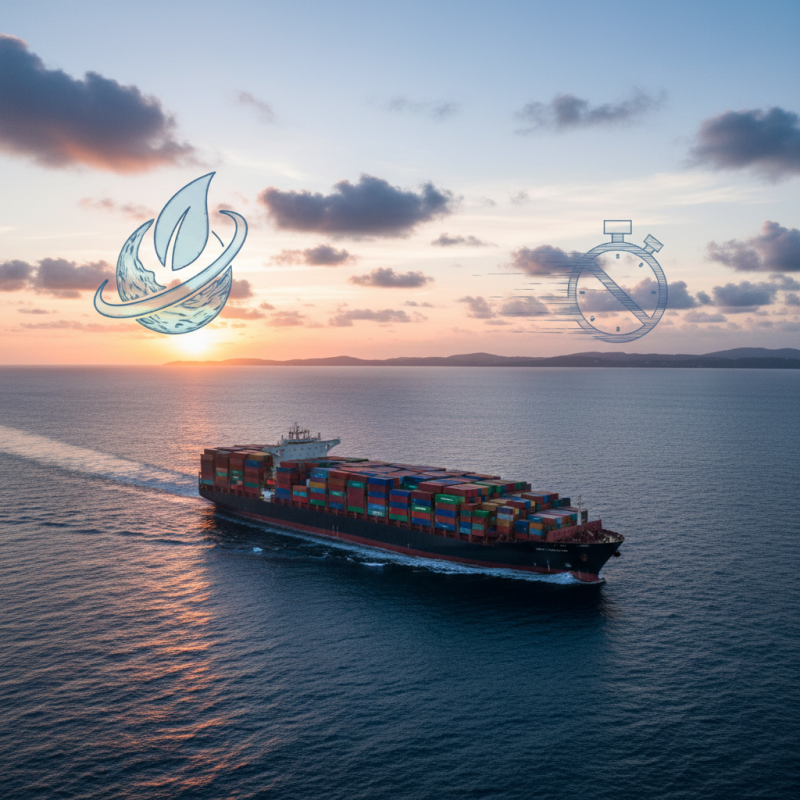
Moreover, sea freight has a lower environmental impact compared to air transport. Companies looking to improve their sustainability practices may find sea freight more appealing. While air cargo is faster, it comes with higher costs and can lead to increased emissions.
However, businesses should consider their specific needs before making a decision. Sometimes, urgency outweighs all other factors. For bulk goods and non-perishable items, sea freight can be a wiser choice. Understanding the pros and cons of these shipping methods will lead to better logistics planning. Ultimately, the decision should align with the company's overall goals and strategies.
Comparative Cost Analysis: Sea Freight vs. Air Cargo
When evaluating the cost differences between sea freight and air cargo, the advantages of choosing sea freight become clear. Sea freight is often significantly cheaper, especially for larger shipments. The cost per weight can drop substantially, making it an attractive option for businesses. For example, shipping a standard 20-foot container internationally can cost thousands less than sending the same weight by air. This cost savings can free up cash for other operational needs.
However, sea freight comes with its own challenges. Transit times are longer; it can take weeks for goods to arrive. This delay might affect businesses needing fast delivery. Moreover, port handling fees and customs charges can add to the total cost. Companies must balance cost savings against these potential delays and added expenses. Understanding the complete cost profile is crucial for making informed shipping decisions.
Ultimately, the choice between sea freight and air cargo hinges on individual business needs. For those prioritizing cost, sea freight is a strong contender. Yet, it may not always be the best choice for time-sensitive shipments. Being aware of these nuances can guide businesses to select the most suitable shipping method.
Environmental Impact of Sea Freight in Global Trade
Shipping by sea has significant environmental advantages compared to air freight. According to the International Maritime Organization (IMO), shipping accounts for about 2.5% of global greenhouse gas emissions. However, it is markedly more efficient than air transport. The emissions per ton-mile for sea freight are approximately 15-40% lower than for air cargo.
Consider the carbon footprint. A study by the European Commission indicates that shipping one ton of goods by air emits nearly 500 grams of CO2 per kilometer. In contrast, sea freight only emits about 10-40 grams over the same distance. This stark difference highlights the pivotal role of maritime transport in reducing overall emissions.
The vast infrastructure supporting sea freight contributes to its reliability. Not only does it involve larger vessels that transport bulk goods over long distances, but it also requires less energy per unit. Yet, there are still concerns. Marine pollution and the impact on ocean biodiversity must be addressed. These issues necessitate ongoing reflection and potential actions within the industry to improve sustainability.
Environmental Impact of Sea Freight vs. Air Cargo
This chart illustrates the environmental impact and costs associated with sea freight compared to air cargo in global trade. Sea freight shows significantly lower CO2 emissions and energy consumption, making it a more sustainable choice despite longer transit times.
Transit Times: How Sea Freight Compares to Air Cargo
When comparing transit times between sea freight and air cargo, it's essential to understand the implications of each method. Sea freight typically takes much longer. Depending on distances and routes, it can take anywhere from several days to weeks. In contrast, air cargo often delivers goods within 24 to 48 hours. This speed is beneficial for urgent shipments. However, with air freight comes a higher cost.
Sea freight is a great choice for bulk shipments. It can carry large volumes of goods efficiently. Yet, delays are possible due to weather or port congestion. Understanding typical transit times is key. Businesses must plan accordingly. While air cargo serves immediate needs, sea freight can offer significant savings for less time-sensitive deliveries. Inexperienced shippers may overlook these cost factors, which can lead to budget overruns.
Many assume faster is better, but this isn't always true. A detailed analysis of delivery requirements can reveal that sea freight aligns better with certain logistics needs. For businesses focusing on sustainability, shipping by sea typically uses less fuel per ton of cargo. However, companies must weigh the trade-offs between speed and cost effectively. Making informed decisions involves reflecting on specific shipment demands and their potential impacts on operations.
Cargo Capacity and Versatility of Sea Freight Solutions
Sea freight offers distinct advantages over
air cargo, particularly in terms of cargo capacity
and versatility. Shipping large volumes of goods by sea is often more efficient. A single cargo ship
can carry thousands of containers, accommodating various types of cargo simultaneously. This capacity
allows businesses to transport larger quantities at once, reducing costs per unit. Sea freight is ideal
for heavy and oversized items that air transport cannot handle.
When considering sea freight, keep in mind the versatility it provides. Different vessels can be used
for diverse needs, from bulk carriers to container ships. This flexibility allows shippers to choose the
best option for their cargo type. Additionally, shipping routes often serve multiple destinations,
enhancing logistics efficiency.
However, one must consider the longer transit times
associated with sea freight compared to air cargo.
Tip: Always compare your shipping needs with available options. Analyze costs, time frames, and cargo types.
Don't overlook potential delays due to port congestion or customs clearance. Understanding these factors can lead
to better decision-making and cost efficiency.
For businesses with fluctuating demand, sea freight offers scalability. As business grows, capacity can
expand without significant changes in logistics. Consider your future needs when opting for shipping methods.
Balance your immediate requirements with long-term growth plans.
Security and Reliability in Sea Freight Services
Shipping internationally often presents businesses with various options. Sea freight provides distinct security and reliability advantages. It's not just about movement; it's about safe transport. The shipping vessels are designed to handle large volumes. They are built to withstand tough conditions, which ensures that your goods arrive intact.
Unlike air cargo, sea freight has rigorous protocols. Containers are sealed and monitored throughout the journey. This decreases the risk of theft and damage. Companies often track their shipments, providing peace of mind. Such reliability is crucial, especially for high-value items. Unexpected issues can arise, but the robust nature of sea freight often mitigates these risks.
While sea freight is secure, it does have drawbacks. Transit times are notably longer, which can be a challenge for urgent shipments. Companies often need to plan ahead, leaving room for flexibility. However, the cost savings can be significant. Balancing speed with security and cost is a constant reflection in logistics decisions. Overall, sea freight remains a strong choice for those who prioritize safety and reliability in international shipping.
Why Choose Sea Freight Over Air Cargo for International Shipping? - Security and Reliability in Sea Freight Services
| Shipping Method |
Transit Time |
Cost |
Capacity |
Environmental Impact |
Security |
| Sea Freight |
2-8 weeks |
Low (e.g., $1,000 per 20ft container) |
Large volumes (up to 30 tons per container) |
Lower impact; more fuel-efficient for bulk |
High security; containers are sealed and tracked |
| Air Cargo |
1-5 days |
High (e.g., $5,000 per ton) |
Limited capacity (up to 2000 kg per flight) |
Higher impact; more emissions per ton |
Moderate security; risk of theft during transit |
Conclusion
When considering the best shipping method for international trade, one common question arises: "Why choose sea freight over air cargo?" This decision can be influenced by several factors, including cost efficiency, environmental considerations, and cargo capacity. Sea freight generally offers a more economical solution for transporting large volumes of goods due to its lower shipping rates compared to air cargo. Additionally, the environmental impact is significantly reduced when opting for sea freight, making it a more sustainable choice in the long run.
While transit times are longer with sea freight, the ability to ship bulky and heavy items in a single container enhances its versatility. Furthermore, advancements in security measures have made sea freight a reliable option for international shipping. In summary, choosing sea freight over air cargo not only addresses cost and environmental concerns but also provides the necessary capacity and reliability for diverse shipping needs.

 FSG Logistics