Choosing the right freight method is critical for businesses. In logistics, deciding how to choose between air, sea, and rail freight can significantly affect costs and delivery times. According to the International Air Transport Association (IATA), air freight represents only 0.5% of global trade by volume, yet accounts for 35% of total trade value. This illustrates air freight's importance for high-value and time-sensitive shipments.
Logistics expert John Smith emphasizes that “understanding the specific requirements of your shipments is key to making the right choice.” Each method offers unique benefits and drawbacks. Air freight is fastest but most expensive. Sea freight is cost-effective for bulk shipments. Rail freight, while often overlooked, can provide a balance of cost and efficiency.
Consideration must be given to factors like delivery speed, cost-efficiency, and product sensitivity. Companies often face challenges in aligning their logistics strategy with customer expectations. Reflecting on these trade-offs will enhance decision-making in freight transportation.
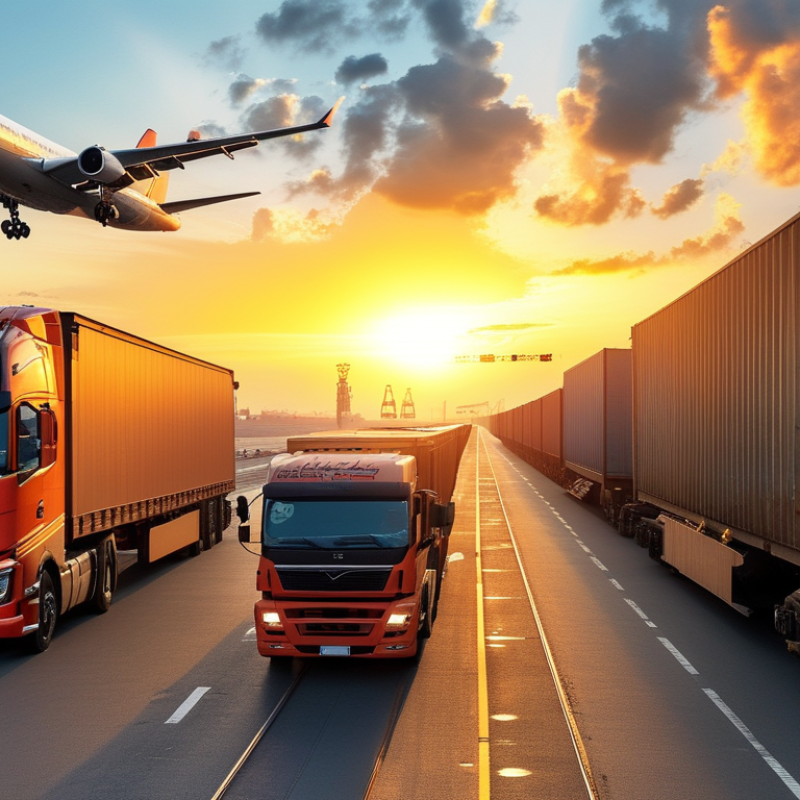
Factors to Consider When Choosing Between Air, Sea, and Rail Freight
When choosing between air, sea, and rail freight, several factors play a crucial role in decision-making. The nature of your shipment is paramount. Air freight is ideal for perishable goods or urgent deliveries. However, it is the most expensive option. Sea freight works well for bulk shipments. It’s cost-effective, but shipment times can be lengthy. Rail freight strikes a balance, being reliable and often cheaper than air, yet slower than air transport.
Cost considerations cannot be overlooked. Shipping volume affects the choice of modality. Smaller shipments may benefit from air freight despite higher costs. On the other hand, large volumes favor sea freight due to its lower per-unit cost. Timing is also critical. Tight deadlines might push you towards air freight. If you have flexibility, rail or sea may offer better financial solutions. Additionally, consider environmental impact. Rail is typically the most eco-friendly option. Each mode has its advantages and challenges, highlighting the need for careful evaluation of your specific logistics needs.
An experienced logistics planner can provide insights into these factors. However, reflecting on your past decisions is vital. Sometimes, shipments can arrive late despite the chosen method. Assess past performance to refine your strategy. Ultimately, the best choice aligns with your shipment requirements and overall business strategy.
Cost Analysis of Air, Sea, and Rail Freight Options for Shipments
When choosing between air, sea, or rail freight, understanding costs is crucial. Each option has its unique pricing structure. Air freight tends to be the most expensive but offers speed. It’s ideal for urgent shipments. Sea freight, on the other hand, is often the most cost-effective for large volumes but takes longer. Rail freight strikes a balance between cost and speed, making it a solid choice for regional shipments.
**Tip:** Consider your delivery timeline. Urgent shipments benefit from air freight, despite higher costs. For bulk items or less time-sensitive deliveries, sea freight can save significant costs.
Evaluating costs also involves hidden fees. Air freight may include surcharges for fuel or security. Sea freight could have port fees. Rail freight often has lower unexpected costs, but it depends on distance and rail accessibility. Understanding these elements can help prevent budget surprises.
**Tip:** Always request detailed quotes. This ensures a clear comparison of pricing and services across different modes. Look for any hidden charges included in the estimates. This will help you make an informed decision that suits your specific needs.
Transit Times: Understanding Delivery Speed Across Different Freight Methods
When considering transit times across different freight methods, air, sea, and rail each present unique attributes. Air freight is significantly faster, typically taking 1-3 days to reach its destination. According to the International Air Transport Association, air cargo accounts for over 35% of global trade by value, despite representing only 1% by volume. This highlights the crucial role air transport plays for urgent shipments.
In contrast, sea freight usually takes longer, averaging 10-30 days depending on distance and port congestion. The World Trade Organization reports that maritime transport handles about 90% of the world’s goods by volume. However, the speed of service can vary greatly and may be impacted by factors like weather or container availability. Rail freight, while faster than sea, generally takes around 5-15 days. It is a reliable option for overland transport in regions where rail infrastructure is robust.
Deciding on a freight method involves weighing speed against cost. However, it’s also necessary to consider potential delays that might arise. When using air freight, unforeseen circumstances can still arise, impacting delivery promises. You might think sea freight is slower, but it often provides more stable transit times compared to the unpredictable nature of air. Balancing speed and reliability is essential for effective logistics management.
Environmental Impact: Comparing Carbon Footprints of Freight Choices
The choice between air, sea, or rail freight significantly impacts the environment. Carbon footprints vary widely among these methods. Air freight, while fast, generates the highest emissions per ton-kilometer. Studies show that air transport emits nearly 500 grams of CO2 per kilometer for each kilogram of cargo. This considerable impact raises concerns for eco-conscious shippers.
Sea freight offers a more sustainable option. Despite longer transit times, its carbon emissions per ton-kilometer are much lower. Bulk cargo ships can reduce emissions to as low as 10-15 grams of CO2 per kilometer. This stark difference emphasizes the importance of considering eco-friendly shipping options. Rail freight presents a middle ground, combining efficiency and lower emissions compared to air transport. It can deliver goods sustainably, particularly in regions with extensive rail networks.
While seeking the most efficient freight option, companies must reflect on their choices. The pressure for fast delivery can overshadow environmental considerations. Balancing speed and sustainability should be a priority. Shippers need to look beyond immediate costs. Long-term impacts on the planet matter significantly. Making informed decisions about freight can contribute to reducing carbon footprints.
How to Choose Air Sea or Rail Freight for Your Shipments? - Environmental Impact: Comparing Carbon Footprints of Freight Choices
| Freight Mode |
Average CO2 Emissions (kg per ton-km) |
Distance Efficiency (km) |
Estimated Transit Time |
Cost Comparison (per ton) |
| Air Freight |
500 |
2,500 |
1-5 days |
$5,000 |
| Sea Freight |
15 |
20,000 |
10-30 days |
$1,000 |
| Rail Freight |
20 |
5,000 |
5-14 days |
$800 |
Risk Assessment: Evaluating Reliability and Safety of Air, Sea, and Rail Freight
When selecting between air, sea, and rail freight, risk assessment is crucial. Each mode has distinct reliability and safety metrics. According to a 2022 report from the International Freight Institute, air freight boasts a reliability rate of 94%. This level of efficiency makes it ideal for time-sensitive shipments. However, unexpected delays can occur due to weather disruptions or regulatory issues.
In contrast, sea freight offers a lower reliability score, at about 80%. While sea transport is often cheaper for large shipments, it faces risks like pirate attacks, particularly in high-risk areas. Moreover, the longer transit times can lead to increased vulnerability to damage. For instance, per the Maritime Safety Committee, approximately 1,000 shipping containers are lost at sea each year. This highlights the necessity of adequate insurance coverage for valuable goods.
Rail freight, though slower than air, maintains a solid reliability record, around 85%. It provides a balance, especially for inland shipping. However, rail networks can be susceptible to infrastructure issues. Frequent delays can arise from maintenance or accidents. It's essential to consider these factors when assessing the overall safety and reliability of your shipment's route choice.
Freight Mode Reliability and Safety Assessment
FAQS
: Cost, delivery speed, and environmental impact are crucial. Each freight type has unique pricing structures.
Air freight is faster, making it ideal for urgent shipments. Higher costs reflect this speed advantage.
Sea freight usually takes 10-30 days, depending on distance and port conditions.
Air freight may have fuel or security surcharges. Sea freight could incur port fees. Rail freight often has lower unexpected charges.
Air freight has the highest emissions. Sea freight is more sustainable, with much lower emissions per ton-kilometer.
Weigh speed against cost. Air freight is fast but may face unpredictable delays. Sea freight offers stability but is slower.
Yes, rail freight balances speed and cost, making it solid for regional shipments with good railway access.
Fast delivery pressures can overshadow sustainability. It’s essential to reflect on long-term impacts on the environment.
Rail freight generally takes around 5-15 days, providing reliable overland transport in areas with good infrastructure.
Always request detailed quotes to compare pricing and services. Look for hidden charges in estimates to make informed decisions.
Conclusion
When determining how to choose between air, sea, and rail freight for shipments, several critical factors must be considered. Cost analysis is essential, as each shipping method offers different pricing structures that can significantly impact overall expenditure. Additionally, transit times vary, with air freight typically providing the fastest delivery but at a higher cost, while rail and sea options may be more economical but slower.
Furthermore, the environmental impact of each freight method should not be overlooked, as they contribute differently to carbon emissions. Lastly, a thorough risk assessment is necessary to evaluate the reliability and safety of each option. By weighing these aspects—cost, delivery speed, environmental considerations, and safety—shippers can effectively decide the most suitable freight method for their needs.

 FSG Logistics