Choosing the best shipping route for your business can significantly impact costs and customer satisfaction. Every business aims to deliver products swiftly and efficiently. However, making the right choice may not be straightforward. It's essential to consider various factors, including distance, shipping rates, and delivery times.
When evaluating how to choose the best shipping route, think about reliability and potential delays. For instance, routes prone to congestion can slow down deliveries. An experienced logistics manager recognizes that some routes may be cheaper but less reliable. The right balance between cost and service quality is crucial.
Additionally, businesses must adapt to changing conditions. Weather disruptions and geopolitical factors can affect route reliability. Reflecting on past shipping experiences offers valuable insights. Each choice requires careful consideration. An informed decision ultimately leads to better customer relationships and enhanced business performance.
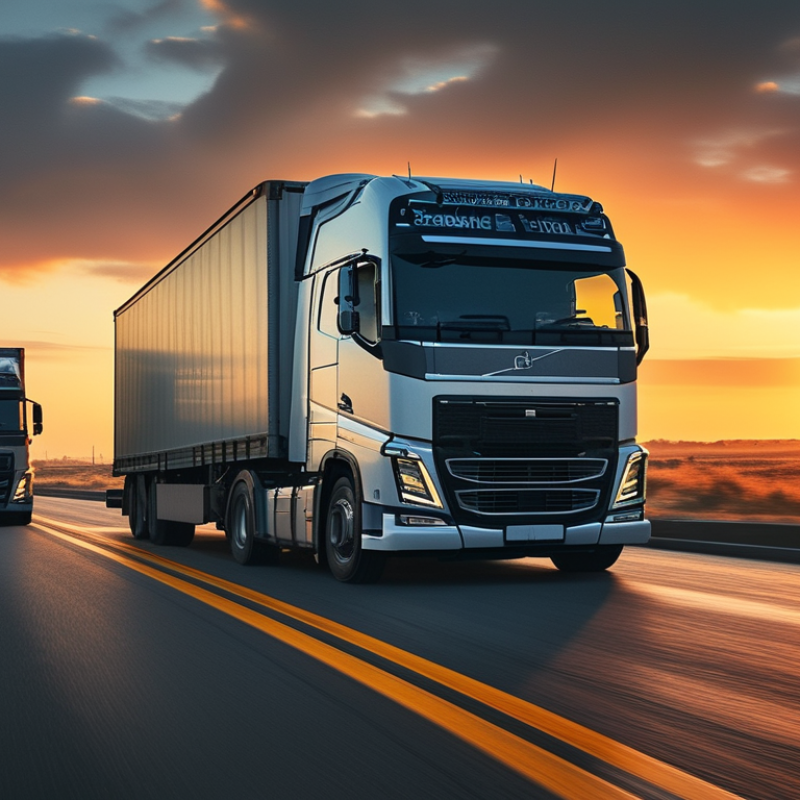
Choosing the right shipping route is crucial for any business. One major factor in this decision is shipping costs. These costs can vary significantly based on the route. A direct route may seem ideal, but additional fees can quickly add up. Think about tolls, fuel costs, and port charges. Each factor plays a role in your budget.
Budget constraints can limit your options. Sometimes, a longer route might save you money. Analyze different routes carefully. Small variations in distance can lead to major differences in expenses. Consider using third-party tools to compare routes. They can show hidden costs you might overlook.
Another aspect to consider is the reliability of each route. A cheaper option may not always be the best choice. Delays can cost you in lost sales. It's wise to research the track record of shipping lanes. Gather data on past performance. Not every route will meet your expectations, so stay flexible. Adjusting your plan can help you find the best balance between cost and reliability.
When choosing a shipping route, delivery speed significantly impacts customer expectations. Recent studies show that 78% of consumers expect delivery within two days. Fast shipping can boost customer satisfaction and loyalty. However, businesses often struggle to balance speed and cost. Faster routes are typically more expensive, so weighing these factors is crucial.
Consider using data analytics to optimize your shipping routes. Analytics can help identify patterns, revealing preferred speeds for different regions or customer segments. For instance, urban areas may require quicker delivery due to higher competition. A logistics report indicates that companies leveraging analytics reduce shipping costs by up to 15%.
Tips for success:
- Always gather customer feedback on delivery speed.
- Monitor shipping performance and adjust routes based on real-time data.
- Evaluate seasonal impacts, as holiday seasons can alter delivery expectations.
Understanding these nuances enhances customer satisfaction, fostering repeat business. However, be aware of changing expectations. As e-commerce grows, consumers may demand even quicker delivery times, pushing businesses to continuously adapt.
Choosing the right shipping route is crucial for businesses. Route reliability and performance history play significant roles in this decision. Companies must evaluate factors such as transit times, historical delays, and overall service levels. Understanding these elements can help identify the most effective shipping options.
When assessing route reliability, consider historical data. Review how often delays occurred and the reasons behind them. Analyze seasonal trends as well. Some routes may experience issues during specific periods, impacting your delivery schedules. Knowledge of these patterns can help in planning more accurately.
Tips: Always track delivery timelines and gather feedback from partners. This builds a comprehensive view of what to expect. Use technology to monitor performance metrics. Automating this process can save time and minimize errors.
Performance history helps in making informed decisions. Compare routes based on past reliability. While one route might be faster, it may come with higher risk. Reflect on your business needs. Selecting the right balance is essential for customer satisfaction.
When selecting a shipping route, consider its environmental impact. According to the International Maritime Organization, shipping accounts for nearly 3% of global greenhouse gas emissions. Choosing routes with lower emissions can significantly reduce your carbon footprint. This can enhance your brand’s reputation and attract eco-conscious consumers.
One effective tip is to assess alternative routes. Shorter distances might seem appealing, but they may not always be the best option environmentally. Tools like route optimization software can help analyze various factors, including fuel efficiency and emissions. Keep in mind that local regulations and sustainability practices vary widely by region.
Implementing sustainable shipping practices is essential. Consider using carbon offset programs. These initiatives, backed by research from groups like the Global Logistics Emissions Council, can help businesses mitigate their environmental impact. Understanding the balance between cost and sustainability can be challenging. Evaluate your shipping partners and their commitment to eco-friendly practices. Focusing on these aspects now can yield positive outcomes in the future.
| Shipping Route | Distance (km) | Estimated CO2 Emissions (kg) | Transit Time (days) | Cost ($) | Sustainability Rating (1-5) |
|---|---|---|---|---|---|
| Route A | 500 | 250 | 5 | 1500 | 4 |
| Route B | 700 | 350 | 7 | 1700 | 3 |
| Route C | 300 | 150 | 4 | 1200 | 5 |
| Route D | 800 | 400 | 10 | 2000 | 2 |
| Route E | 600 | 300 | 6 | 1600 | 4 |
In today's competitive landscape, streamlining shipping routes can significantly enhance efficiency. Technology plays a pivotal role in route optimization. Tools like GPS tracking and logistics software provide real-time data to make informed decisions. Using these systems allows companies to visualize their routes effectively. They can identify bottlenecks and assess traffic conditions, offering insights into time-saving alternatives.
Data analytics is another essential factor. Analyzing historical shipping data helps in predicting trends. Businesses can adjust their routes based on seasonal demands or unexpected events. However, relying solely on technology may lead to oversight. Human expertise remains crucial when interpreting data. Sometimes, intuition and experience can reveal insights that algorithms miss.
Collaboration with carriers is also vital. Establishing good communication can uncover additional optimization opportunities. Understanding carrier limitations and capabilities ensures smoother operations. Yet, it’s worthwhile to question if all technology fits your business needs. Not every tool is beneficial for every scenario. Balancing technology with traditional methods might yield the best results.
: 78% of consumers expect delivery within two days. Fast delivery boosts satisfaction and loyalty.
Faster delivery routes are usually more expensive. Businesses must weigh speed against shipping costs carefully.
Analytics help identify preferred delivery speeds for regions. Using data can reduce shipping costs by up to 15%.
Holidays can change delivery expectations significantly. Customers might want quicker deliveries during peak seasons.
Evaluate historical data on transit times and delays. Analyzing this data improves future shipping decisions.
Tracking delivery timelines and partner feedback is crucial. Technology can help automate monitoring, reducing errors.
Shipping contributes nearly 3% to global greenhouse gas emissions. Choosing low-emission routes helps reduce the carbon footprint.
Implement carbon offset programs and assess route efficiency. Focus on eco-friendly practices to attract conscious consumers.
Short routes may have higher emissions. Evaluate all route factors before deciding based only on distance.
As e-commerce grows, customers may demand faster deliveries. Businesses need to adapt to meet these evolving expectations.
Choosing the best shipping route for your business is a crucial decision that can significantly impact both costs and customer satisfaction. To begin with, it is essential to consider shipping costs and budgets, ensuring that you select a route that aligns with your financial constraints. Additionally, analyzing delivery speed is vital, as customers expect timely shipments, which can influence their overall experience and loyalty.
Moreover, evaluating route reliability and performance history helps in establishing consistent delivery standards. Another important aspect is assessing the environmental impact and sustainability practices of your shipping methods, which is increasingly becoming a priority for businesses and consumers alike. Finally, leveraging technology and tools for route optimization can enhance decision-making, enabling more efficient logistics management. In summary, understanding how to choose the best shipping route involves a comprehensive evaluation of these various factors to ensure the success of your operations.

FSG Logistics