In an increasingly interconnected world, cold chain shipping plays a crucial role. It ensures the safe transport of temperature-sensitive goods like pharmaceuticals, food, and chemicals. Experts agree on its significance. Dr. Emily Stevens, a renowned logistics expert, stated, “The integrity of perishable goods relies heavily on effective cold chain management.” This highlights why cold chain shipping is important for global trade.
Maintaining specific temperature conditions is vital. Any lapse can lead to spoilage and financial losses. For instance, a single broken link in the cold chain can compromise an entire shipment of vaccines. This unpredictability raises concerns in industries reliant on temperature control. Stakeholders must recognize these challenges and implement better practices.
Despite advancements, cold chain failures still occur. Many companies struggle with tracking systems that lack real-time updates. Addressing these issues is essential. As global demand for fresh products grows, so must the commitment to cold chain efficiency. The conversation around why cold chain shipping is important needs to continue, as improvements are necessary for future sustainability.
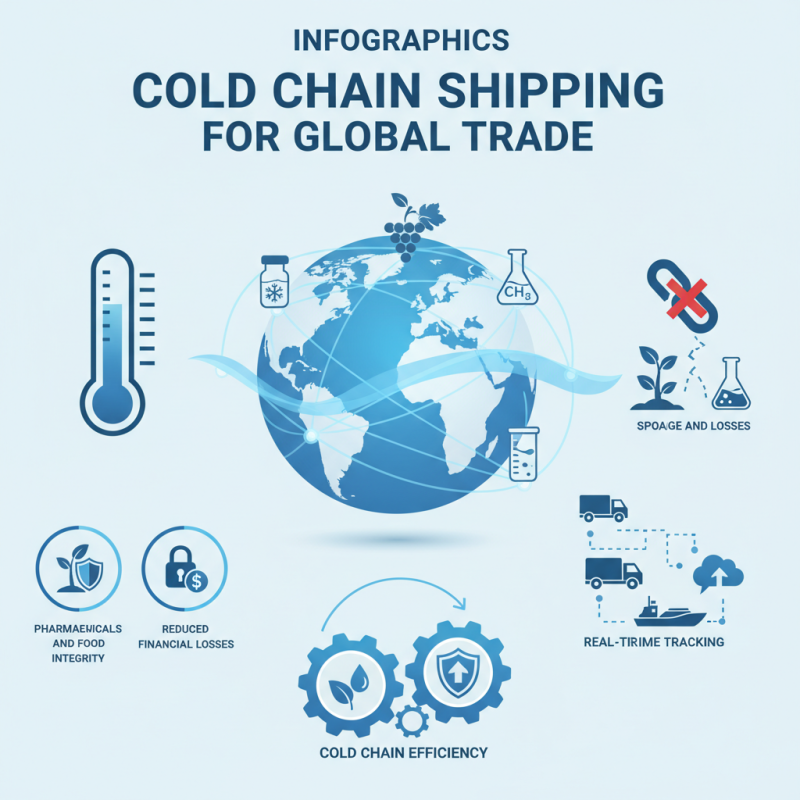
Cold chain shipping plays a pivotal role in global trade, particularly for perishable goods. This method ensures temperature-sensitive products remain fresh from origin to destination. Many industries, including food and pharmaceuticals, rely heavily on these transport systems. Interruptions in the cold chain can result in significant financial losses. For instance, a single shipment of temperature-sensitive vaccines could be rendered ineffective if not stored correctly.
Transporting perishable items involves meticulous planning and execution. Refrigerated trucks, temperature-controlled warehouses, and real-time monitoring systems are critical components. These methods need continuous improvement to meet growing demands. Despite advancements, disruptions can still occur due to mechanical failures or unforeseen weather conditions. These risks highlight the need for strong contingency plans and industry vigilance.
Furthermore, increased global trade raises questions about sustainability. Cold chain logistics can be energy-intensive. Efforts to adopt greener technologies are necessary, yet adaptation can be slow. Companies must focus on energy-efficient practices while maintaining product integrity. As the industry evolves, finding a balance between efficiency and eco-friendliness becomes essential for long-term success.
Cold chain shipping plays a crucial role in global trade, especially for perishable goods. A successful cold chain system must maintain specific temperatures throughout the supply chain. This starts at the production site. Proper refrigeration equipment is essential. It helps preserve product quality and safety.
Temperature monitoring is another key component. Real-time tracking systems ensure that products remain within safe temperature ranges. These systems can alert stakeholders immediately if there is a deviation. This reduces potential losses.
Furthermore, training staff in handling cold chain processes is often overlooked but vital. Knowledgeable personnel can make quick decisions to save sensitive products.
Packaging also deserves attention. Insulation materials and temperature-controlled pallets protect items during transit. Unfortunately, not all packaging solutions are equally effective. Some designs fall short in extreme conditions, compromising product integrity.
This highlights the need for constant evaluation of materials and strategies. Each link in the cold chain demands attention. Collaboration among all parties ensures smoother operations and minimizes risks.
Cold chain logistics faces significant challenges in maintaining the required temperature throughout the shipping process. According to the Global Cold Chain Alliance, about 30% of perishable goods are lost due to inadequate temperature control. This figure underscores the importance of reliable logistics systems. In addition, improper handling can lead to spoilage, affecting the quality of produce and pharmaceuticals.
One persistent issue lies in infrastructure limitations. Many regions lack advanced refrigeration facilities. This affects remote areas where access to temperature-sensitive goods is vital. Inadequate transportation methods also complicate the situation. A report from MarketsandMarkets states that by 2025, the cold chain market is expected to reach $585.1 billion. Yet, many operators still rely on outdated equipment, risking losses and inefficiencies. The need for investment in technology, training, and better practices is evident.
Weather variability poses another obstacle. Extreme temperatures and unpredictable conditions challenge logistics providers. These factors can disrupt the supply chain and impact delivery timelines. A study by the International Journal of Logistics Management highlights that over 50% of companies experience challenges related to external weather conditions. Addressing these issues requires a multifaceted approach, focusing on improving infrastructure and adopting innovative technologies.
Cold chain shipping is crucial for maintaining food safety and quality during transport. A report by the Global Cold Chain Alliance (GCCA) states that improper temperature management can lead to a 25% loss in food quality. This wastage not only impacts businesses but also affects consumers, leading to potential health risks.
Temperature fluctuations can lead to bacterial growth in perishable goods. A study published in the Journal of Food Protection highlighted that nearly 60% of foodborne illnesses stem from improperly handled products. Ensuring consistent temperatures throughout the supply chain is vital. To achieve this, regular monitoring and innovative packaging solutions are necessary.
Logistics challenges should not be overlooked. Delays in transportation can compromise food integrity. A recent survey showed that 40% of cold chain operators faced disruptions due to equipment failures. This illustrates the need for reliable systems. Companies must invest in technology to enhance visibility in the cold chain. Doing so can prevent food spoilage and ensure safety for consumers.
Cold chain shipping is pivotal for ensuring product integrity in global trade. According to industry reports, the global cold chain market is expected to surpass $350 billion by 2027, fueled by increasing demand for perishable goods. This growth underscores the evolution of temperature-sensitive logistics. However, maintaining the required temperature throughout the supply chain remains a significant challenge. Many companies report issues with equipment failures or human error that compromise temperature regulation.
As we look to the future, advancements in technology are shaping the landscape of cold chain logistics. IoT devices and smart sensors now play a crucial role in monitoring conditions throughout transit. Data from the International Logistics Association indicates that real-time tracking reduces spoilage rates by up to 30%. Despite these improvements, businesses must still address the gap in data-sharing practices. Often, lack of transparency leads to inefficiencies and increases the risk of loss.
Innovation is not without its obstacles. The rising costs of technology implementation can deter smaller enterprises from adopting advanced cold chain solutions. Moreover, regulatory compliance continues to evolve, creating additional pressure on companies. E-commerce growth further complicates logistics, with customers expecting faster delivery times. As the market evolves, stakeholders must remain adaptable, addressing these barriers while leveraging technological advancements for more efficient cold chain operations.
: Cold chain shipping involves transporting temperature-sensitive goods to keep them fresh. This is crucial for perishable items.
Improper temperature control can spoil goods, leading to financial losses. For example, ineffective vaccines can arise from poor storage.
Common challenges include infrastructure limitations and outdated equipment. These issues can result in significant product spoilage.
Extreme weather conditions can disrupt supply chains, delaying deliveries. Over 50% of companies report such weather challenges.
Technologies like IoT and smart sensors improve monitoring. Real-time tracking can lower spoilage rates by up to 30%.
Yes, cold chain logistics can be energy-intensive. Companies need to adopt greener practices while ensuring product integrity.
Investment in technology and better practices is essential. Employees should receive training to handle perishables properly.
Increasing demand for perishable goods is driving market growth. Businesses must adapt to evolving regulations and customer expectations.
Poor transparency in data can lead to inefficiencies. Companies often struggle to coordinate, increasing losses during transit.
High technology implementation costs can be a significant barrier. Regulatory compliance adds pressure to these businesses.
Cold chain shipping is essential for global trade as it ensures the safe and reliable transportation of temperature-sensitive products. The importance of cold chain shipping lies in its ability to maintain product quality, particularly in the food and pharmaceutical sectors, where safety and efficacy are paramount. A successful cold chain system comprises key components such as temperature-controlled logistics, efficient storage facilities, and reliable transportation methods.
However, challenges persist in cold chain logistics, including infrastructure limitations, regulatory compliance, and the risk of temperature fluctuations. These obstacles must be addressed to enhance the impact of cold chain shipping on food safety and quality. Looking ahead, future trends in cold chain shipping focus on technological advancements and sustainability, which aim to improve efficiency and reduce waste in global markets. Ultimately, understanding why cold chain shipping is important is crucial for ensuring the integrity of perishable goods in today’s interconnected economy.

FSG Logistics