How to integrate multimodal transport for global sourcing?

Time:2026-06-04 Author:Sienna
0%

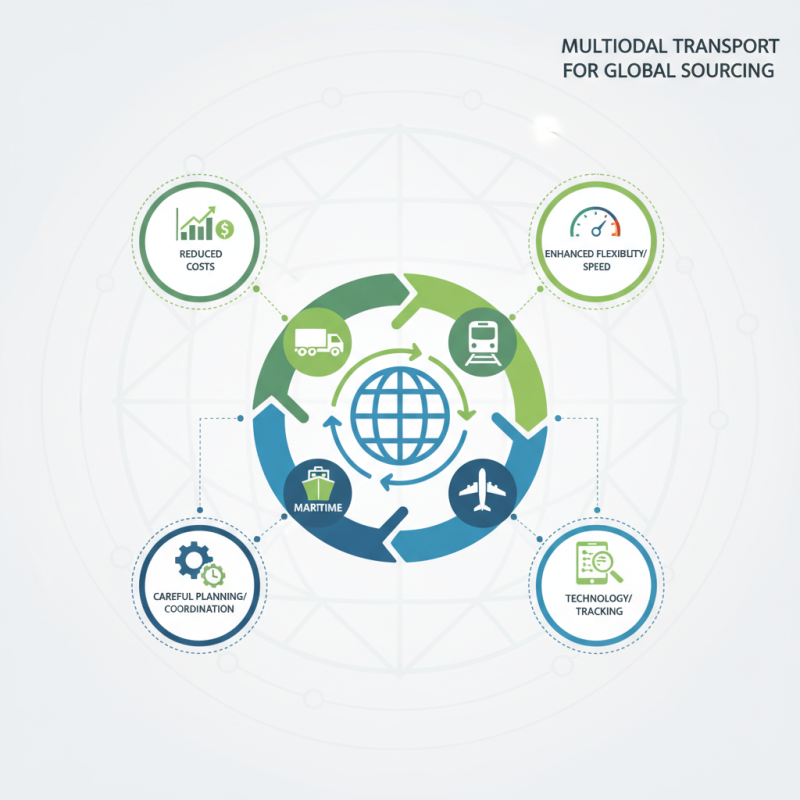
In the ever-evolving realm of global sourcing, efficient logistics play a pivotal role. Businesses must streamline their supply chains to stay competitive. One key strategy lies in understanding how to integrate multimodal transport. This approach combines various transport modes, enhancing flexibility and reducing costs.

Multimodal transport includes road, rail, maritime, and air options. Each mode offers unique advantages, such as speed or capacity. By choosing the right combination, companies can optimize their logistics. However, integrating these modes requires careful planning. Coordination among different carriers is essential. Misalignment can lead to delays and increased expenses.

Despite the benefits, challenges remain. Businesses must navigate complex regulations and varying infrastructures. Adopting technology can simplify these processes. Real-time tracking and data analysis provide valuable insights. In conclusion, organizations need to embrace multimodal transport thoughtfully. This strategy can significantly impact global sourcing efficiency and adaptability.
How to integrate multimodal transport for global sourcing?

Strategies for Efficient Multimodal Transport in Global Sourcing

Multimodal transport plays a crucial role in global sourcing strategy. It combines various transportation methods to enhance efficiency and reduce costs. According to a report by the International Transport Forum, effective multimodal solutions can reduce logistics costs by up to 20%. These savings are vital for companies striving to remain competitive in today’s global market.

To optimize multimodal transport, businesses should focus on seamless integration. This means creating a streamlined process that coordinates every step, from sourcing to final delivery. Investing in technology, such as real-time tracking systems, improves visibility. These tools minimize delays and enhance communication across the supply chain.

**Tip:** Evaluate your current logistics. Identify pain points that hinder efficiency. Addressing even small issues can lead to significant improvements.

Flexibility is also essential in multimodal transport. Relying too much on a single transport method can lead to disruptions. An over-reliance on ocean freight, for example, may expose companies to port congestion risks. Diversifying transport modes can create a resilient supply chain.

**Tip:** Regularly reassess transport partnerships. Establish relationships with multiple carriers. This ensures reliability and adaptability in your logistics strategy.

Key Benefits of Integrating Air, Sea, and Land Transport Modes

Integrating air, sea, and land transport modes can be revolutionary for global sourcing. Each mode has unique benefits. Air transport offers speed. It is ideal for perishable goods or urgent deliveries. However, cost can be a significant factor. Shippers must balance speed and expense when selecting transport options.

Sea transport is often more cost-effective for large shipments. It is suitable for bulk items but has slow transit times. This delay can impact inventory management. Companies need a solid plan to align supply chain needs with delivery expectations.

Land transport serves as a vital link. It connects ports and airports to final destinations. Trucks and railroads provide flexibility and access to remote areas. However, traffic and local regulations can create challenges. Planning routes efficiently is crucial. Integrating these transport modes can enhance supply chain resilience, but it requires careful consideration and research.

Analyzing Cost-Effectiveness in Multimodal Transport Solutions

In the current global sourcing landscape, multimodal transport plays a key role in optimizing logistics costs. A study by the International Transport Forum indicates that multimodal solutions can reduce overall shipping costs by up to 30% compared to single-mode options. This cost effectiveness arises from the ability to leverage different transport methods. For example, combining rail and sea transport can lead to significant savings in fuel and time.

However, integrating these diverse transport modes can be complex. Routing errors and inadequate infrastructure can hamper efficiency. According to a report from the World Bank, around 20% of logistics costs stem from delays and inefficient coordination in multimodal systems. These factors highlight a critical area for improvement.

Companies often underestimate the importance of investing in robust tracking technologies. Efficient visibility and communication are essential for overcoming these logistical challenges.

Investing in multimodal transport requires careful consideration. The potential cost savings appeal to many businesses, but challenges remain. Companies must weigh the benefits against the risks of delays and coordination failures. Failure to address these issues can negate any cost advantages and disrupt supply chains. Thus, businesses need to continually assess their multimodal strategies to ensure they are not only cost-effective but also resilient and reliable in an increasingly complicated global landscape.

Case Studies: Successful Implementation of Multimodal Logistics

Integrating multimodal transport in global sourcing can lead to significant efficiencies but is not without challenges. One case study from a manufacturing company highlighted their switch from single-mode to multimodal logistics. By employing road, rail, and sea transport, they reduced transit times by 25%. However, the initial setup required close collaboration between multiple stakeholders. They faced difficulties in timely communication and coordination, which could have easily disrupted their supply chain.

Another example comes from a retail company that implemented multimodal transport to enhance their distribution network. They utilized a combination of air and rail services. This allowed them faster movement of goods to key markets. Despite this success, they realized that dependency on various transport modes required a more flexible inventory system. Adapting to these changes was crucial but presented an ongoing challenge. Reflecting on these experiences, companies see a need for improved technological integration in tracking and scheduling.

Mastering multimodal transport is a continuous journey, often fraught with unexpected hurdles. Adopting best practices is essential, yet the process can highlight gaps in knowledge and execution. Such reflections are essential for refining logistics strategies for a smoother operation.

Emerging Technologies Enhancing Multimodal Transport Integration

Emerging technologies play a crucial role in enhancing multimodal transport integration. Advanced data analytics now enable companies to track their shipments in real time. This transparency improves decision-making, helping businesses respond to disruptions swiftly. However, relying solely on technology can lead to overconfidence. Systems may fail or provide inaccurate data, underscoring the need for a robust human oversight mechanism.

Automated processes, like robotic packaging and automated guided vehicles, are making logistics more efficient. These innovations reduce labor costs and speed up operations. Yet, they also pose challenges. Teams must adapt and reskill to work alongside machines. Furthermore, cybersecurity risks increase with deeper technology integration. Companies must remain vigilant against potential cyber threats that could compromise their logistics.

As sustainability becomes more important, technologies like electric vehicles and alternative fuels are emerging. These solutions can lower emissions in multimodal transport. However, investment and infrastructure challenges remain. Not all regions are equipped to handle such transitions, resulting in uneven adoption. This disparity can hinder the global sourcing strategy, requiring careful planning and adaptability. Balancing technology use with practical realities will be key to successful multimodal transport integration.

FAQS

: What is multimodal transport?

: Multimodal transport combines different transportation methods. It aims to enhance efficiency and lower costs.

How does multimodal transport benefit companies?

It can reduce logistics costs by up to 20%. This is essential for staying competitive.

Why is integration important in multimodal transport?

Seamless integration streamlines the entire process, from sourcing to delivery. It improves coordination and reduces delays.

What role does technology play in multimodal transport?

Real-time tracking systems enhance visibility. They help minimize delays in the supply chain.

Why should companies diversify their transport methods?

Relying on one method can cause disruptions. Diversification makes supply chains more resilient.

What challenges do emerging technologies pose?

Technology can lead to overconfidence. Systems may fail or provide inaccurate data without human oversight.

How can companies handle labor changes due to automation?

Teams must adapt and reskill. Embracing automation is crucial for operational efficiency.

What are some transportation challenges in urban settings?

Traffic and local regulations can disrupt land transport. Efficient route planning is essential to overcome these issues.

Why is sustainability in transport becoming more crucial?

Reducing emissions is vital for the environment. However, infrastructure challenges can slow down adoption.

What should companies do to ensure successful multimodal integration?

Balance technology use with practical needs. Careful planning and adaptability are required for optimal outcomes.

Conclusion

The article "How to integrate multimodal transport for global sourcing?" explores effective strategies for combining various transport modes—air, sea, and land—to enhance global sourcing logistics. It highlights key benefits such as increased flexibility, reduced transit times, and cost savings that arise from an integrated approach. Furthermore, the analysis of cost-effectiveness in multimodal transport solutions demonstrates the financial viability of employing diverse transport options in supply chains.

Additionally, the article presents case studies of successful implementations of multimodal logistics, showcasing real-world applications and best practices. It also discusses emerging technologies that facilitate the seamless integration of multimodal transport, paving the way for more efficient sourcing strategies. Overall, it provides valuable insights on how to integrate multimodal transport effectively, contributing to the optimization of global logistics operations.

Sienna

Sienna

Sienna is a skilled marketing professional with a deep expertise in our company’s core products and services. With a passion for innovation and detail, she plays a pivotal role in crafting insightful blog posts that not only highlight the unique features of our offerings but also provide valuable......