How to Integrate Multimodal Transport from China?

Time:2026-10-12 Author:Amelia
0%

Moving goods from China rarely depends on one transport mode. A shipment may leave a factory in Shenzhen by truck, reach a rail terminal, cross Central Asia by train, and continue by sea or road. Each transfer creates pressure on cost, timing, documentation, and cargo safety. This is why companies must understand How to integrate multimodal transport before choosing routes or carriers.

Professor Jean-Paul Rodrigue, a respected transport geographer, defines the concept clearly: “Intermodal transportation is the movement of passengers or freight from an origin to a destination using two or more modes of transport.” His explanation highlights the central task: connecting different systems without losing control of the shipment. In practice, integration requires compatible schedules, accurate cargo information, suitable packaging, and clear responsibility at every handover.

Small details often decide performance. A delayed truck can miss a rail departure. A poorly checked container seal can create doubt at the next terminal. Digital tracking helps, but it does not replace experienced coordination. Someone must compare booking data with physical cargo. That step is often overlooked.

There is no perfect route. Fuel prices change. Border procedures change. Port congestion returns unexpectedly. A strong plan includes alternatives, realistic buffers, and measurable service standards. It should also respect customs requirements, safety rules, environmental obligations, and local transport regulations. This guide examines how to integrate multimodal transport from China with practical attention to route design, carrier selection, documentation, risk control, and final-mile delivery. The process can be improved, but never treated as automatic.
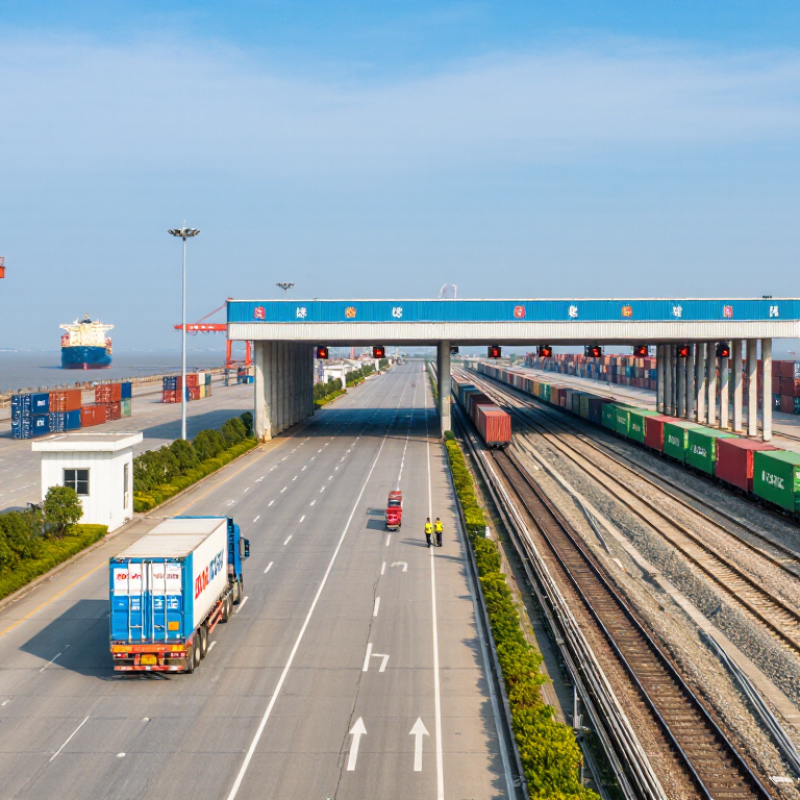
How to Integrate Multimodal Transport from China?

Define Multimodal Transport and Its Main Benefits

How to Integrate Multimodal Transport from China?

Define Multimodal Transport and Its Main Benefits

Multimodal transport moves cargo through two or more transport modes under one coordinated shipping arrangement. A typical route may combine a truck from a factory, rail to a coastal terminal, ocean freight, and a final delivery truck. The container usually stays sealed during transfers. This reduces repeated handling and gives the shipment a clearer chain of responsibility.

One shipment, several modes. That structure can improve cost control, transit planning, and cargo security. Rail may support inland movement, while ocean freight handles the long international distance. Road transport provides flexible collection and delivery. A single transport plan also helps shippers compare departure times, transfer points, insurance needs, and customs documents before cargo leaves China.

In practice, reliable integration begins with accurate cargo details. Weight, dimensions, packaging strength, destination rules, and delivery deadlines all affect the route. A logistics team should check terminal capacity and local transport conditions, not only the advertised schedule. Digital tracking can show when a container reaches a hub or misses a connection. That gap matters.

The method is not flawless. A delayed rail departure can affect a vessel connection, and poor packaging may create damage during transfers. I have found that simple contingency planning often matters more than an attractive transit estimate. Leaving buffer time, confirming document accuracy, and assigning clear communication duties can make the route more dependable. Even then, weather, congestion, and inspection procedures may change the plan.

Assess Cargo Requirements, Routes, and Delivery Conditions

Integrating Multimodal Transport from China

Cargo requirements should guide every transport decision. Start with weight, dimensions, value, packaging, and handling sensitivity. A pallet of ceramic parts needs different protection from chilled food or lithium batteries. Confirm temperature limits, stacking rules, moisture risks, and customs documents before booking. Small errors here can create large delays. The World Bank’s Logistics Performance Index 2023 highlights customs, infrastructure, tracking, and timeliness as key supply-chain performance factors. These factors should become measurable checks, not vague expectations.

Route selection depends on delivery urgency and cargo economics. Maritime transport remains central, carrying over 80% of global merchandise trade by volume, according to UNCTAD’s Review of Maritime Transport 2024. A sea-and-rail route may reduce inland distance and improve schedule stability. Air transport suits urgent, compact, high-value shipments, but its cost and emissions require careful review. Compare port congestion, border crossings, transfer frequency, and final-mile capacity. The cheapest route is not always the most reliable.

Delivery conditions need written control points. Define the handover location, delivery window, inspection process, and responsibility for damage. Use shipment tracking at every transfer, especially when cargo moves from a container terminal to a rail depot. Build a realistic buffer around holidays, weather, and customs examination. The first delivery estimate is often optimistic. I still recheck it against warehouse receiving hours and local trucking capacity. A route that looks efficient on paper can fail at the final thirty kilometers.

How to Integrate Multimodal Transport from China?

Typical door-to-door transit-time ranges from eastern China to major European hubs

Transit time depends on cargo type, customs procedures, border conditions, route capacity, and delivery location. Sea transport is generally the most economical for non-urgent cargo, while rail and sea–rail combinations provide a balance between speed and cost. Air freight is suitable for high-value or time-sensitive shipments.

The ranges represent common planning estimates for international shipments and should be confirmed with current schedules, cargo requirements, and destination-specific delivery conditions.

Select Transport Modes, Partners, and International Trade Terms

How to Integrate Multimodal Transport from China?

A reliable multimodal plan starts with the cargo, not the cheapest quote. Confirm weight, dimensions, value, delivery date, and handling sensitivity. Air freight suits urgent, compact shipments. Ocean freight works better for heavy, non-urgent cargo. Rail can balance speed and cost on suitable routes. Trucks connect factories, terminals, warehouses, and final destinations. One shipment may need all three.

Choose partners with verified licenses, cargo insurance, safety records, and experience on your route. Ask who controls each handoff. A clear transport plan should identify pickup times, terminal transfers, document owners, and contingency options. International trade terms also matter. Select terms that clearly assign freight costs, insurance, customs duties, and risk transfer. However, trade terms do not replace a written logistics agreement. They also do not remove local customs obligations.

Tips: Request a door-to-door cost breakdown. Check whether destination charges are included. Confirm the transport document before cargo leaves the factory. Use shipment milestones, not vague status updates. Leave time for inspections and port congestion. A small documentation error can delay a container for days. That risk is easy to underestimate. Review the plan after delivery. Perhaps the fastest route was not the most dependable. Perhaps the cheapest partner needed too much supervision. Reliable decisions come from comparing actual performance, not promises.

Coordinate Documentation, Customs Clearance, and Cargo Transfers

Integrating multimodal transport from China requires one information chain, not separate bookings.

The shipment may move by truck, rail, sea, and truck again. Each handoff creates risk. Prepare the commercial invoice, packing list, transport instructions, and certificate details before cargo pickup. Confirm the correct HS classification, declared value, origin, and consignee information. Small inconsistencies can delay release. Keep one controlled version of every document. Give the forwarder, broker, and warehouse the same data. Do not rely on forwarded email copies. They become outdated quickly.

Customs clearance should match the physical cargo.

Check carton counts, weights, marks, and seal numbers at loading. The broker needs arrival notices and supporting documents before the goods reach the border. Some shipments require additional permits or product evidence, depending on the destination. Requirements change, so verify them with the relevant customs authority. A pre-clearance review can expose a missing code or unclear description while there is still time to correct it. Keep records of amendments. Honest corrections are safer than rushed explanations after inspection.

Cargo transfers need a practical handoff plan.

Define who receives the goods, where they wait, and when the next vehicle arrives. Use readable labels and photograph the seal, pallet condition, and count at every transfer. Record exceptions immediately. A damaged corner may seem minor, but it can challenge an insurance claim later. Build buffer time around port closures, rail cutoffs, and customs queries. Perfect coordination is unrealistic. The process still needs review after delivery. Repeated delays may reveal weak data, not bad luck.

Monitor Shipments, Manage Risks, and Evaluate Transport Performance

How to Integrate Multimodal Transport from China?

Monitor Shipments, Manage Risks, and Evaluate Transport Performance

A multimodal plan should connect factory pickup, inland trucking, rail or sea transport, and final delivery. Each handover needs a clear owner and timestamp. A shared shipment record should show booking status, departure scans, port arrival, customs progress, and delivery confirmation. Without these milestones, an estimated arrival date can become misleading very quickly. Keep it visible.

Risk management works better with specific triggers. A missed factory pickup, a vessel delay, or a document mismatch should create an alert. Teams can then adjust routing, reserve alternative capacity, or inform customers before the delay becomes expensive. Weather, port congestion, equipment shortages, and border procedures also deserve regular review. Compliance checks must remain part of the process, not an afterthought.

Performance evaluation needs more than a low transport price. Track transit-time variance, on-time delivery, handling damage, waiting hours, response speed, and claim frequency. Compare planned dates with actual event data each month. In practice, early estimates are sometimes too optimistic. That is worth admitting. A route may look efficient on paper but perform poorly during peak demand. Review the evidence, question repeated exceptions, and revise the transport plan when the numbers disagree.

How to Integrate Multimodal Transport from China? - Monitor Shipments, Manage Risks, and Evaluate Transport Performance

Multimodal shipment monitoring table covering ocean, rail, air, and road connections from China. Performance is evaluated using milestone visibility, transit reliability, customs status, risk exposure, and cost efficiency.

Shipment ID Origin Destination Transport Mode Transfer Point Container / Cargo Planned Transit Actual / Forecast Transit Milestone Status Customs Status Risk Level Schedule Variance Cost per kg Performance Rating
CN-26001 Shenzhen, China Rotterdam, Netherlands Ocean + Truck Singapore 40-foot dry container 32 days 34 days Discharged at port Documents cleared Medium +2 days USD 0.42 Good
CN-26002 Ningbo, China Hamburg, Germany Ocean + Rail Malaszewicze, Poland 40-foot high-cube container 29 days 28 days Inland rail completed Released Low -1 day USD 0.51 Excellent
CN-26003 Chongqing, China Warsaw, Poland Rail Alashankou, Kazakhstan 40-foot dry container 16 days 18 days Border inspection Pending inspection Medium +2 days USD 1.18 Good
CN-26004 Shanghai, China Chicago, United States Ocean + Rail Long Beach, United States 40-foot high-cube container 30 days 33 days Rail departure delayed Customs hold High +3 days USD 0.63 Needs action
CN-26005 Guangzhou, China Frankfurt, Germany Air + Truck Doha, Qatar 2,400 kg general cargo 4 days 4 days Delivered Released Low 0 days USD 5.86 Excellent
CN-26006 Qingdao, China Melbourne, Australia Ocean + Truck Port Klang, Malaysia 20-foot dry container 24 days 25 days At destination terminal Awaiting examination Medium +1 day USD 0.58 Good
CN-26007 Yiwu, China Madrid, Spain Rail + Truck Altynkol, Kazakhstan 45-foot pallet-wide container 20 days 21 days Cross-border trucking Released Low +1 day USD 0.94 Good
CN-26008 Xiamen, China Dubai, United Arab Emirates Ocean + Truck Jebel Ali 40-foot dry container 19 days 19 days Final delivery scheduled Released Low 0 days USD 0.47 Excellent
Monitoring indicators: Transit times include the planned end-to-end movement between origin and destination. Schedule variance compares actual or forecast transit with the planned transit. Risk levels reflect exposure to customs delays, border congestion, port handling, weather, and missed transfer connections. Cost per kg is a transport-cost benchmark and excludes duties, taxes, insurance, and storage charges.

FAQS

How should I choose transport modes for a shipment from China?

Start with weight, dimensions, value, urgency, and handling sensitivity. Air suits urgent, compact cargo. Ocean fits heavy, non-urgent shipments. Rail can balance speed and cost on suitable routes. Trucks often connect factories, terminals, warehouses, and final destinations.

What should I check when selecting logistics partners?

Verify licenses, cargo insurance, safety records, and route experience. Ask who controls every handoff. Request a door-to-door cost breakdown, including destination charges. The cheapest quote may require too much supervision.

How do international trade terms affect multimodal shipping?

They assign responsibilities for freight costs, insurance, customs duties, and risk transfer. They do not replace a written logistics agreement. They also do not remove local customs obligations. Confirm the selected terms with the relevant parties.

Which documents should be prepared before cargo pickup?

Prepare the commercial invoice, packing list, transport instructions, and required certificate details. Confirm the HS classification, declared value, origin, and consignee information. Keep one controlled document version. Email copies become outdated quickly.

How can I reduce customs clearance delays?

Match documents with the physical cargo. Check carton counts, weights, marks, and seal numbers during loading. Give the broker arrival notices and supporting documents early. A pre-clearance review may reveal an unclear description or missing code.

What should happen during cargo transfers?

Define who receives the cargo, where it waits, and when the next vehicle arrives. Use readable labels and photograph seals, pallet condition, and counts. Record damage immediately. A damaged corner may later complicate an insurance claim.

Which shipment milestones should be monitored?

Track factory pickup, departure scans, port arrival, customs progress, and delivery confirmation. Each handoff needs an owner and timestamp. Use specific alerts for missed pickups, delays, and document mismatches. Keep the record visible.

How should transport performance be evaluated?

Compare planned dates with actual event data each month. Track delivery reliability, transit-time variance, damage, waiting hours, response speed, and claims. A low price is not enough. Sometimes the fastest route performs poorly during peak demand. That deserves a review.

Conclusion

How to integrate multimodal transport effectively begins with understanding how different transport modes, such as sea, rail, road, and air, can work together in one coordinated supply chain. This approach may improve flexibility, delivery efficiency, cost control, and cargo visibility. Start by assessing the shipment’s size, weight, value, urgency, destination, and handling requirements. Then compare possible routes, select suitable transport combinations, and choose reliable logistics partners and appropriate international trade terms.

Successful integration also depends on accurate documentation, clear communication, and well-planned cargo transfers. Customs requirements, permits, insurance, packaging, and responsibility at each stage should be confirmed before shipment. During transit, businesses should monitor progress, prepare contingency plans for delays or disruptions, and manage risks related to weather, handling, and schedule changes. After delivery, reviewing transit time, total cost, service quality, damage rates, and communication performance can help identify improvements and build a more dependable multimodal transport strategy.

Amelia

Amelia

Amelia is a seasoned marketing professional with a wealth of expertise in our company’s core offerings. With an unwavering passion for driving growth and innovation, she plays a pivotal role in shaping our marketing strategies and enhancing brand visibility. A key aspect of her responsibilities......