International rail freight is a critical component of global trade. For buyers relying on this mode of transport, understanding the timelines involved is essential. The question looms large: how long does international rail freight take?
Several factors influence rail freight duration. These include distance, route efficiency, and customs processing. Delays can occur at various points in the shipment process. For instance, congested ports or unexpected weather changes can extend delivery times. Knowing these variables helps buyers plan better.
Moreover, the growing complexity of international logistics adds to the challenge. Buyers must consider the reliability of different rail networks. Some regions may experience more consistent service than others. This variability can affect the overall shipping experience. By being aware of these elements, global buyers can make informed decisions. Understanding the intricacies of rail freight is crucial for successful operations.
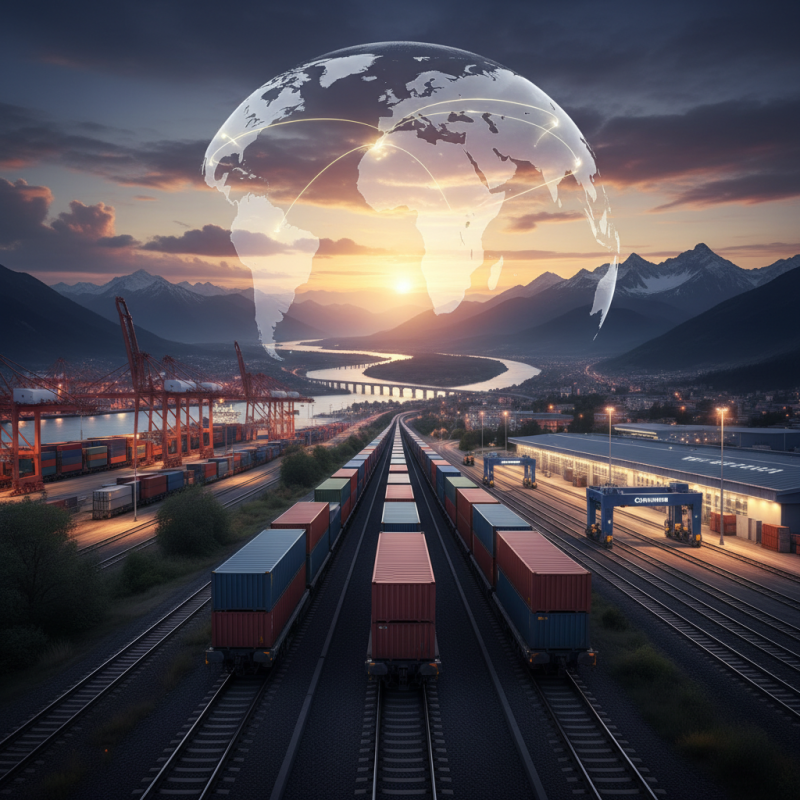
International rail freight can be an efficient way to move goods across long distances. However, transit times can vary significantly due to multiple factors. One major factor is the distance between the origin and destination. Generally, distances longer than 3,000 kilometers may take longer than rail operators advertise.
Customs clearance is another critical aspect. Delays can occur if documentation is incomplete or if goods require inspection. According to a report from the International Rail Freight Association, customs holdups can add up to 10 days to transit times. Additionally, train schedules can be affected by congestion in major rail hubs. As rail networks grow, so do delays.
Tips: Ensure all required documentation is submitted early. This minimizes customs-related delays.
Type of cargo plays a role too. Heavy or bulk goods may move slower than standard containers. Special handling for hazardous materials can further prolong transit times. Moreover, weather conditions can wreak havoc on schedules. Rail operations are particularly sensitive to extreme weather events, such as snow and floods.
Tips: Stay updated on weather forecasts along the route. This can help mitigate unexpected delays.
Ultimately, understanding these factors helps in planning accordingly. The unpredictability in transit times highlights the need for flexibility. Always allow extra time when scheduling shipments.
Rail freight is gaining attention as a competitive mode of shipping for global buyers. It offers a unique blend of speed and reliability. In contrast to maritime transport, which often takes weeks, rail freight can deliver goods in days. This shorter timeframe is vital for perishable goods or high-demand products.
However, rail freight is not without its challenges. Limited routes can hinder access to certain destinations. While trains maintain a steady pace, delays due to logistics or network issues can occur. This unpredictability can frustrate businesses relying on timely deliveries.
In comparison, air freight is the fastest option, yet it comes with high costs. On the other hand, road transport offers flexibility. However, it often lacks efficiency for long distances. Each option has its strengths and weaknesses. Buyers must weigh these factors carefully to meet their shipping needs efficiently.
International rail freight has become a significant choice for global buyers seeking efficiency. Major rail routes connect key regions, providing varied transit times influenced by distance and customs processes. For instance, the rail link from China to Europe averages around 12 to 20 days, depending on the specific route chosen. This is remarkably faster compared to sea freight, which can take upwards of 30 days.
Notably, the Trans-Siberian Railway is one of the fastest options for shipments between Asia and Europe. Transit times can range from 10 to 15 days. However, this rapid transit can sometimes lead to customs delays. Significant fluctuations in transit times often depend on political situations and seasonal factors. Logistics experts emphasize the importance of planning and considering these variables when choosing rail freight.
Rail routes such as the China-Mongolia-Russia corridor show transit times between Moscow and Beijing averaging 15 to 25 days. Despite improvements, some shippers experience inconsistencies. Infrastructure bottlenecks and operational challenges can still arise. Thus, careful timing and communication with logistics partners are crucial for successful rail freight operations. Balancing speed with reliability remains an ongoing issue for global buyers.
| Route | Distance (km) | Average Transit Time (days) | Type of Cargo |
|---|---|---|---|
| China to Germany | 10,000 | 15-20 | Consumer Goods |
| Russia to China | 3,000 | 7-10 | Machinery |
| Italy to China | 11,000 | 16-22 | Fashion Items |
| France to China | 10,500 | 18-24 | Electronics |
| UK to Germany | 1,000 | 3-5 | Automotive Parts |
| Spain to China | 12,000 | 20-25 | Textiles |
Customs and border regulations play a crucial role in determining the timing of international rail freight. Each country's rules can create significant delays. Rail freight often has to navigate complex customs processes. These procedures can involve extensive documentation, inspections, and clearance checks. The time required for these steps varies widely from one region to another.
Delays can occur unexpectedly. For example, issues may arise if paperwork is incomplete or incorrect. Sometimes, customs authorities may hold shipments for additional scrutiny. This can lead to longer transit times. Disruptions at border crossings can also affect schedules. Understanding these factors is essential for global buyers.
Coordination with customs authorities is vital. Buyers should be proactive in ensuring compliance with regulations. Missing or incorrect information can cause setbacks. Freight forwarders can offer assistance. They help navigate customs processes effectively. However, relying solely on them may not always be sufficient. Companies must stay informed about changing regulations to avoid costly delays.
Rail freight is experiencing a significant transformation, driven by new technologies and changing market demands. As global trade expands, stakeholders are eager for faster delivery times. Innovations like
real-time tracking and automated systems promise to enhance efficiency. However, these developments also require substantial investments and coordination among multiple parties, which can lead to delays.
The integration of sustainable practices is another emerging trend. Many rail companies are pushing for greener solutions. This transition may initially slow down operations as they adapt to new regulations and technologies. Yet, this approach aims to reduce the carbon footprint of shipping goods internationally, appealing to environmentally conscious consumers.
While the future of rail freight looks promising, challenges remain. Infrastructure upgrades are often behind schedule, causing bottlenecks. Additionally, fluctuating fuel prices can impact costs and delivery times. International rail freight cannot be entirely relied upon for speed, as unforeseen circumstances can arise. Buyers need to be prepared for variability in their shipping timelines.
: The transit time typically averages between 12 to 20 days.
Rail freight is much faster, taking around 12 to 20 days, while sea freight can exceed 30 days.
Political situations and seasonal factors greatly affect transit times and can cause delays.
Infrastructure bottlenecks and customs delays can lead to inconsistencies in timing.
Clear communication is essential for managing timing and avoiding delays in rail freight operations.
Customs and border regulations can create significant delays due to complex processes and inspections.
Incomplete paperwork or additional scrutiny from customs authorities can lead to longer transit times.
Proactive coordination with customs authorities and accurate documentation are crucial for avoiding setbacks.
No, staying informed about changing regulations is essential to avoid expensive delays.
Balancing speed with reliability continues to be an ongoing concern in international shipments.
The article "How Long Does International Rail Freight Take for Global Buyers?" explores the various factors that influence transit times for international rail freight. Key elements include the complexities of customs and border regulations, which can significantly impact delivery schedules. Through a comparative analysis, it highlights how rail freight stands in contrast to other shipping modes, revealing its unique advantages and potential delays.
Additionally, the article provides insights into average transit times for major global rail freight routes, helping global buyers set realistic expectations. Future trends in rail logistics are also examined, indicating how advancements may further shape delivery times. Ultimately, understanding "how long does international rail freight take" is essential for effective supply chain management and planning.

FSG Logistics