How to Lower Freight Costs with Better Packaging in 2026

Time:2026-10-25 Author:Liam
0%

Freight costs are shaped before a shipment reaches the carrier. Packaging controls dimensional weight, pallet density, product protection, and handling efficiency. A carton that is five centimeters too large can trigger a higher billable weight, even when the product inside is light. That difference repeats across thousands of shipments.

This is the practical reason behind “Why packaging quality affects freight costs.” The 2023 World Bank Logistics Performance Index emphasizes reliability, shipment quality, and supply-chain predictability as major logistics factors. The 2024 State of Logistics Report also identifies transportation expenses, warehouse pressure, and capacity management as continuing cost challenges. Better packaging cannot solve every freight problem. It can reduce wasted cube, prevent damage claims, and improve trailer utilization. Sometimes, the smallest redesign delivers the clearest result.

Dr. Jay Singh, a recognized packaging and distribution specialist, states, “Packaging is the first line of defense in the supply chain.” His point reaches beyond product protection. Strong packaging helps carriers move goods with fewer exceptions, fewer returns, and less manual handling. Yet, the industry still makes avoidable mistakes. Oversized cartons remain common. Empty space survives because teams rarely measure it carefully. In 2026, cost control will require more than cheaper freight contracts. It will require testing carton dimensions, reviewing damage data, and matching materials to real distribution conditions. The answer may not be perfect. It should be measurable.
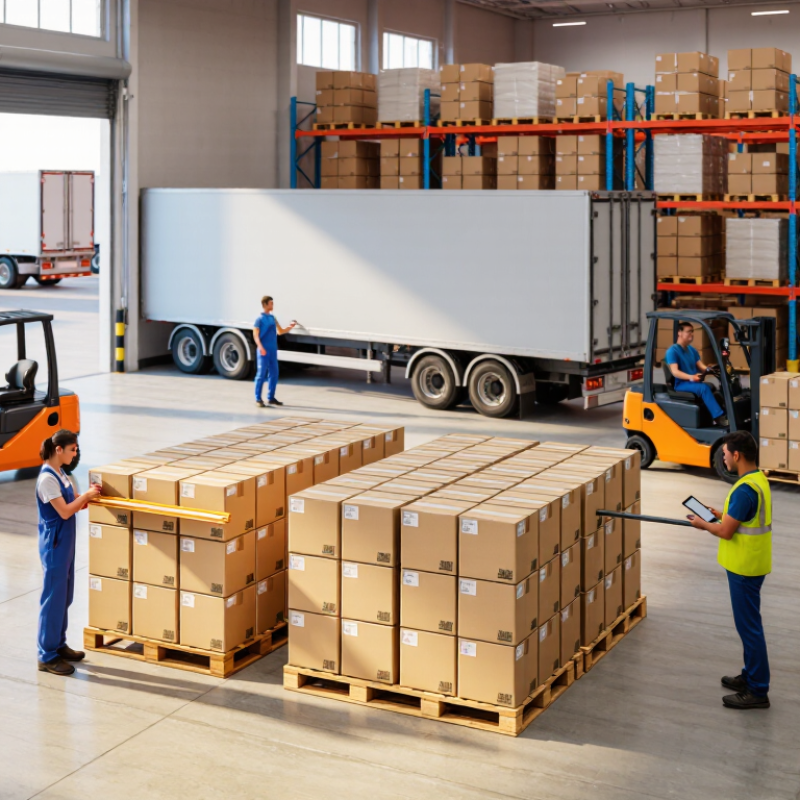
How to Lower Freight Costs with Better Packaging in 2026

Assess Freight Cost Drivers and Packaging Requirements in 2026

In 2026, freight costs depend on more than the carrier’s quoted rate. Dimensional weight, pallet height, handling fees, damage claims, and delivery zones can change the final invoice. Packaging requirements also vary by product, route, and transport mode. A compact carton may reduce volume, but weak protection can increase replacement costs.

A practical packaging review starts with shipment data. Measure carton length, width, height, gross weight, and unused internal space. Compare these figures with current carrier limits and pallet specifications. Use corner protection where compression damage appears repeatedly. Add moisture barriers for sensitive goods. Confirm that labels remain readable after wrapping, stacking, and warehouse movement. Materials should support recycling goals without sacrificing product safety.

Small tests reveal expensive mistakes.

Run drop, vibration, compression, and stacking trials before changing every shipment. Record failure points, not only successful results. A lighter package can lower freight charges, yet it may create more damage during mixed-load transport. That trade-off deserves careful review. Our assumptions are often incomplete. Real shipment records should guide adjustments, including seasonal data and rural delivery patterns. Packaging teams should also review updated carrier guidance and regional requirements during 2026, because old specifications may no longer fit new equipment or service rules.

Optimize Package Size, Weight, and Material Use

Freight costs often rise because packages contain empty space, not because products become heavier. In warehouse audits, I have found cartons with five centimeters of unused space on every side. That gap increases dimensional weight and requires more filler. Measure the product, then design the carton around its real shape. Do not assume a standard box is efficient.

Use a packaging data sheet for length, width, height, product weight, and protective material. Compare several carton sizes with actual carrier calculations. A box that saves 80 grams may still cost more if it crosses a dimensional threshold. Keep the package compact. But leave enough clearance for drops, vibration, and ordinary handling. A crushed corner can create higher costs than extra cardboard.

Material choices also affect freight performance. Replace thick inserts with molded paper, folded board, or air cushions when testing supports the change. We once reduced filler successfully, but a sharp product edge damaged the inner wrap. The revision needed slightly more material. That was not failure; it exposed a weak assumption. Use trial shipments, corner-drop tests, and moisture checks before approving a new design. Record damage rates, packing time, and material use for each version. Lightweight packaging helps only when it protects the product reliably. Sometimes, less material is simply too little.

Choose Protective Packaging That Reduces Damage and Returns

Freight costs rise when products need extra space, replacement shipments, or return handling. Protective packaging addresses these hidden expenses before they reach the customer. A snug carton, molded cushioning, and reinforced corners can limit movement during loading and delivery. The package should hold the product firmly without crushing it.

Packaging teams should inspect real damage patterns, not rely on assumptions. A crushed corner may indicate weak board strength, poor pallet stacking, or too much empty space. Use drop tests, vibration tests, and small pilot shipments to compare designs. Record dents, broken parts, moisture marks, and customer complaints. Clear evidence supports better decisions.

Small details matter. Cut excess filler when it offers no protection. Add cushioning around fragile edges, not across every surface. A two-centimeter gap can become a serious impact zone. That mistake is easy to miss. Return data may also expose problems that warehouse checks overlook. If returns remain high, the package design needs another review, even when the product appears protected. Lower material use is helpful, but not when it creates more damage, labor, and waste.

Standardize Packaging for Efficient Handling and Transport

How to Lower Freight Costs with Better Packaging in 2026

Standardized packaging makes handling faster and transport space easier to plan. In warehouse operations, I have seen small carton variations create large delays. A box that is two centimeters wider can disrupt pallet patterns. It may also leave expensive gaps in a truck.

Set clear packaging specifications for each product group. Define carton length, width, height, weight limits, cushioning, and labeling positions. Use consistent pallet footprints whenever possible. Workers can stack units faster when every layer follows a familiar pattern. Carriers also receive more accurate shipment dimensions. This improves freight quotes and reduces billing disputes.

Tips: Measure packed products, not empty cartons. Test stacking under realistic warehouse conditions. Record damage rates and handling time. Review the data every quarter. Do not standardize blindly.

A practical system should include several approved sizes, rather than one rigid box. Product shapes, seasonal demand, and handling equipment can change. Standardization is useful, but it is not perfect. I have seen teams reduce carton variety too aggressively and increase protective material. That mistake can raise costs instead of lowering them. A better approach is to compare packaging cost, cube utilization, labor time, and damage claims together. Pilot the new specifications on a limited shipment first. Inspect crushed corners, loose loads, and unused space. Then adjust the design before wider adoption.

Measure Packaging Savings Through Data and Continuous Improvement

Lower Freight Costs with Better Packaging in 2026

Packaging savings become credible when teams measure them before making changes. Record carton dimensions, product weight, pallet count, freight charges, damage rates, and customer returns. A simple baseline reveals where costs hide. Empty space matters.

In one warehouse trial, a smaller carton reduced pallet gaps and improved trailer utilization. The freight invoice fell, but the first design caused more corner damage. That result was uncomfortable. It also showed why cost reduction cannot rely on carton size alone. We tested stronger edge protection, repeated drop checks, and tracked damage for eight weeks. The revised package used slightly more material but lowered replacement and return expenses.

Use a shared dashboard with weekly packaging and shipping data. Useful measures include cost per shipment, cubic utilization, damage claims, packing time, and material use. Compare similar products and shipping lanes, because a single average can mislead. Record the test conditions, including temperature, stacking height, and handling exposure. Real shipments often behave differently from controlled trials.

Continuous improvement works best through small, documented experiments. Change one feature at a time when possible. Review results with warehouse staff, procurement teams, and freight specialists. Their practical observations can explain unusual numbers. Some data will be incomplete. Mark that limitation instead of hiding it. Recheck savings after seasonal volume changes, carrier adjustments, and product updates. A package that performs well today may become inefficient next year.

FAQS

How can protective packaging reduce freight costs?

A snug carton limits product movement during loading and delivery. Molded cushioning and reinforced corners can reduce damage, replacements, and returns. Do not crush the product to save space.

What packaging problems should teams inspect first?

Check crushed corners, broken parts, moisture marks, and customer complaints. A damaged corner may reflect weak board strength or poor pallet stacking. Empty space matters.

How much empty space is too much?

Even a two-centimeter gap can become a serious impact zone. Remove filler that adds no protection, but cushion fragile edges carefully. Smaller is not always safer.

Which tests can compare packaging designs?

Use drop tests, vibration tests, and limited pilot shipments. Record dents, loose products, and broken components after each test. Real shipments may behave differently.

How does standardization improve warehouse handling?

Consistent carton sizes make stacking and handling faster. Workers can build familiar pallet layers with fewer adjustments. A box only two centimeters wider can create costly gaps.

Should every product use the same carton size?

No. Use several approved sizes for different products and handling conditions. One rigid box may require extra cushioning and increase material costs. Standardization is useful, not perfect.

Which data should measure packaging savings?

Track carton dimensions, product weight, pallet count, freight charges, and return rates. Also measure packing time, cubic utilization, damage claims, and material use. One average can mislead.

What should teams do when a cheaper package causes more damage?

Review the design instead of accepting the apparent saving. Stronger edge protection may slightly increase material use while reducing returns. That finding hurts. It is still useful.

How often should packaging performance be reviewed?

Review shared shipping and packaging data weekly, then reassess specifications quarterly. Recheck results after seasonal volume changes or product updates. Some records will be incomplete. Mark that limitation.

Conclusion

Lowering freight costs in 2026 begins with understanding how shipping rates are influenced by package dimensions, total weight, handling requirements, transport mode, and damage risk. The question “Why packaging quality affects freight costs” is central: poorly designed packaging can increase dimensional weight, require extra handling, and lead to product damage, returns, and replacement shipments. Companies should review packaging requirements by product type and delivery route, then reduce unnecessary space, weight, and material without compromising protection.

Protective packaging should be selected to prevent movement, impact, moisture, and compression damage while avoiding excessive padding. Standard package sizes and clear packing procedures can improve warehouse efficiency, pallet utilization, loading speed, and carrier handling. To sustain savings, businesses should track packaging cost, freight charges, damage rates, return frequency, material usage, and space utilization. Regular testing and data-based adjustments help create a continuous improvement process that reduces transportation expenses while maintaining reliable delivery performance.

Liam

Liam

Liam is a dedicated marketing professional with a profound expertise in the industry, where he excels at highlighting the unique advantages of our core products. With a keen understanding of market trends and consumer needs, Liam frequently updates our company’s professional blog, providing......