In today’s globalized economy, effective railway freight monitoring is crucial for buyers. Companies must ensure efficiency, safety, and timely delivery. How to monitor railway freight effectively is a question that many logistics managers grapple with. This challenge grows with the scale and complexity of international trade.
Railway freight systems offer unique advantages, but they are not without difficulties. Tracking shipments can sometimes be tedious. The lack of real-time data or clear communication can lead to logistical nightmares. Buyers need reliable information to mitigate risks and make informed decisions.
Investing in advanced tracking technologies can enhance visibility. Digital solutions, like GPS and RFID, provide real-time updates. However, these systems may not always work seamlessly. Human errors or technical glitches can occur. It is essential to regularly assess your monitoring strategies. Embracing a proactive approach will strengthen supply chain resilience and foster trust with partners.
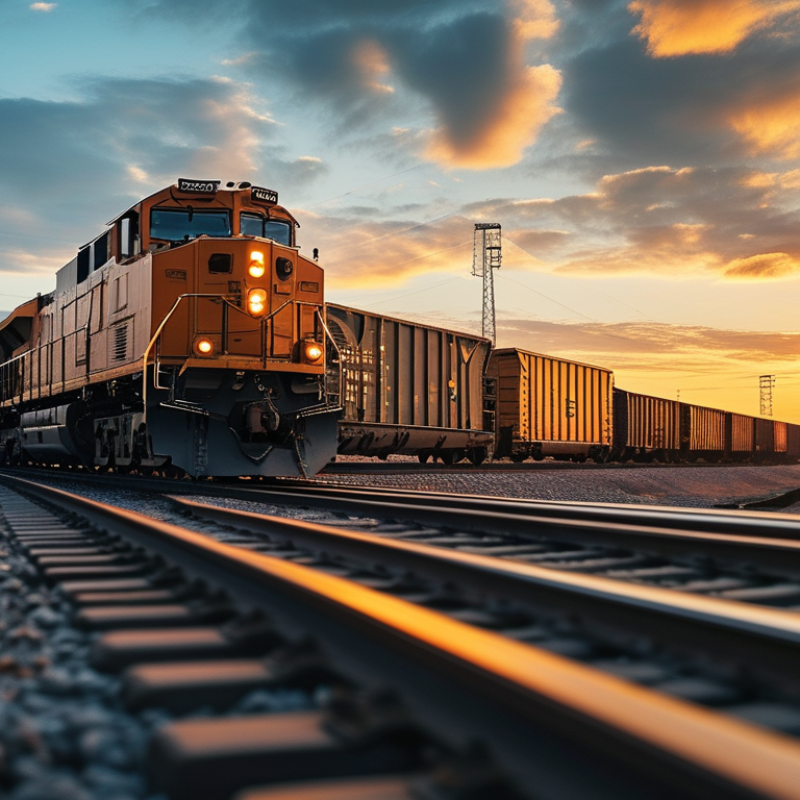
Monitoring railway freight is essential for global buyers. It allows them to keep track of shipments, ensuring timely delivery and reducing delays. An effective monitoring system enhances visibility throughout the entire logistics process. This transparency helps buyers make informed decisions and manage inventory effectively.
Regular updates on freight status can prevent unexpected issues. For instance, disruptions due to weather or operational challenges can arise at any time. By being proactive, buyers can communicate with suppliers and customers about potential delays. This builds trust and strengthens relationships. However, not every monitoring system is flawless. Sometimes data may not reflect real-time conditions, leading to miscommunication.
Investing time and resources in reliable monitoring tools can significantly impact overall operations. Buyers must also train their teams to understand these systems. They should critically assess the tools in use and be ready to adapt. Continuous improvement is key. Monitoring is more than just tracking; it's about understanding the nuances of the supply chain.
Effective monitoring of railway freight involves identifying several key performance indicators (KPIs). These metrics can provide valuable insights into the efficiency and reliability of operations. One crucial KPI is on-time delivery rates. Tracking how often shipments arrive as scheduled can highlight areas needing improvement.
Another important indicator is freight damage rates. Understanding how often cargo is damaged during transport can inform better packaging and handling practices. If damage rates are high, it may indicate a need for retraining staff or reevaluating loading procedures.
Cost per ton-mile is also vital. This measure helps buyers assess operational efficiency. A high cost may flag inefficiencies or pricing issues that require attention. Moreover, customer satisfaction ratings can reveal how well the service meets expectations. Regular feedback can guide operational adjustments and enhance service quality.
In today’s globalized market, real-time tracking of railway freight has become essential. Studies show that 75% of shippers prefer visibility into shipment locations. Utilizing technology is key to achieving this. GPS and IoT devices play crucial roles in enabling tracking from origin to destination. These tools not only monitor location but also provide insights into temperature, humidity, and other conditions impacting cargo quality.
For effective monitoring, consider implementing a centralized tracking system. This allows stakeholders to access information at any time. Visibility fosters trust and improves logistics planning. Moreover, timely alerts about delays or issues can enhance decision-making. Research from the Transportation Research Board highlights that proactive communication reduces operational costs by over 20%.
Here are some tips to enhance your monitoring strategy:
- Use automated alerts to notify teams of any changes.
- Ensure all freight is equipped with tracking devices.
- Regularly assess the effectiveness of your technology.
Incorporating technology for real-time tracking can significantly improve supply chain dynamics. However, challenges may arise. The reliance on technology can lead to data overload. Companies must find a balance. Not every solution fits every need. Trial and reflection are essential for optimizing tracking practices.
Establishing effective communication channels with railway service providers is crucial for global buyers. This process begins with identifying key contacts within the service providers. Knowing who to reach out to ensures timely responses to your inquiries. It can be beneficial to have direct contact with account managers or dedicated customer service representatives.
Regular updates on shipments are essential. Establishing a routine for communication can help maintain clarity. Consider scheduling weekly or bi-weekly check-ins to discuss ongoing shipments and any potential delays. Clearly outline your expectations during these conversations. Moreover, fostering an open dialogue can reveal areas needing improvement on both sides. This collaborative approach may enhance your freight management efficiency.
Leveraging technology can further improve communication. Using dedicated platforms for tracking shipments allows for real-time updates. However, reliance on technology can sometimes lead to overconfidence. It is crucial to maintain a balance between tech solutions and human oversight. Reflecting on past experiences can help refine your communication strategies. Regularly assess the effectiveness of your channels for continuous improvement.
Monitoring railway freight effectively requires a nuanced understanding of cost-effectiveness and delivery times. Data from the International Union of Railways (UIC) shows that rail can reduce logistics costs by up to 35% compared to road transport. However, these savings can be offset by the longer transit times associated with rail freight. The average delivery time for rail shipments can be two to three times longer than that of road solutions. Buyers must weigh these factors carefully.
As global supply chains become more complex, timely delivery hinges on precise monitoring. Studies suggest that real-time tracking systems can enhance visibility, reducing delays by approximately 20%. Yet, reliance on technology poses its own challenges. Instances of data inaccuracies can still occur, leading to miscommunication and discrepancies in expected delivery times. Buyers must continually evaluate their chosen solutions to identify any inefficiencies in the process.
Cost-effectiveness also varies by region. For example, rail freight efficiency can differ significantly in North America compared to Europe. The propensity for delays in North America can average 15% longer than projected, prompting buyers to rethink their strategies. Such metrics illustrate the need for meticulous assessment in selecting freight solutions that align with financial and delivery expectations.
: KPIs help monitor efficiency and reliability. Key ones include on-time delivery rates and freight damage rates.
It highlights areas needing improvement. Frequent delays may signal operational issues requiring attention.
It shows how often cargo is damaged. High rates may indicate poor packaging or handling practices.
It assesses operational efficiency. A high cost might reveal inefficiencies needing to be addressed.
Very important. Most shippers prefer visibility into shipment locations for better logistics planning.
GPS and IoT devices are vital. They monitor location and environmental conditions affecting cargo.
Implement automated alerts and ensure all freight has tracking devices. Regular assessments are crucial.
Data overload can occur. Businesses need to find a balance to avoid getting overwhelmed.
Rail freight may save costs but can have longer delivery times. Buyers must weigh these factors carefully.
It helps identify inefficiencies. Instances of data inaccuracies may lead to miscommunication about delivery times.
Monitoring railway freight effectively is crucial for global buyers to ensure timely and efficient deliveries. Understanding the importance of this monitoring involves identifying key performance indicators that can help assess the reliability and efficiency of railway freight operations. By utilizing technology for real-time tracking of shipments, buyers can gain immediate insights into their logistics and respond promptly to any potential delays.
Establishing robust communication channels with railway service providers further enhances the monitoring process, enabling buyers to stay informed about the status of their shipments. Additionally, evaluating the cost-effectiveness and delivery times of various freight solutions allows buyers to make informed decisions that align with their operational needs. In summary, knowing how to monitor railway freight effectively equips global buyers with the tools necessary to streamline their supply chain processes.

FSG Logistics