When considering logistics, the choice between sea freight and air cargo often arises. Many businesses wonder, "Why choose sea freight over air cargo?" This question is critical for shipping strategies. Sea freight offers a range of benefits that air cargo cannot match. The cost is often significantly lower. This is especially vital for bulk shipments.
Reliability is another important factor. Sea freight operates on a more predictable schedule. While air cargo is faster, it can be less reliable due to weather and flight schedules. Ships, however, can navigate around some disturbances, making it more dependable for long-haul shipments.
In addition, sea freight is better for the environment. It generates fewer carbon emissions compared to air transport. This consideration is becoming increasingly relevant as businesses prioritize sustainability. Choosing the right shipping method requires careful thought. It's essential to weigh the pros and cons. Ultimately, understanding these factors can lead to more sustainable and cost-effective decisions for your logistics needs.
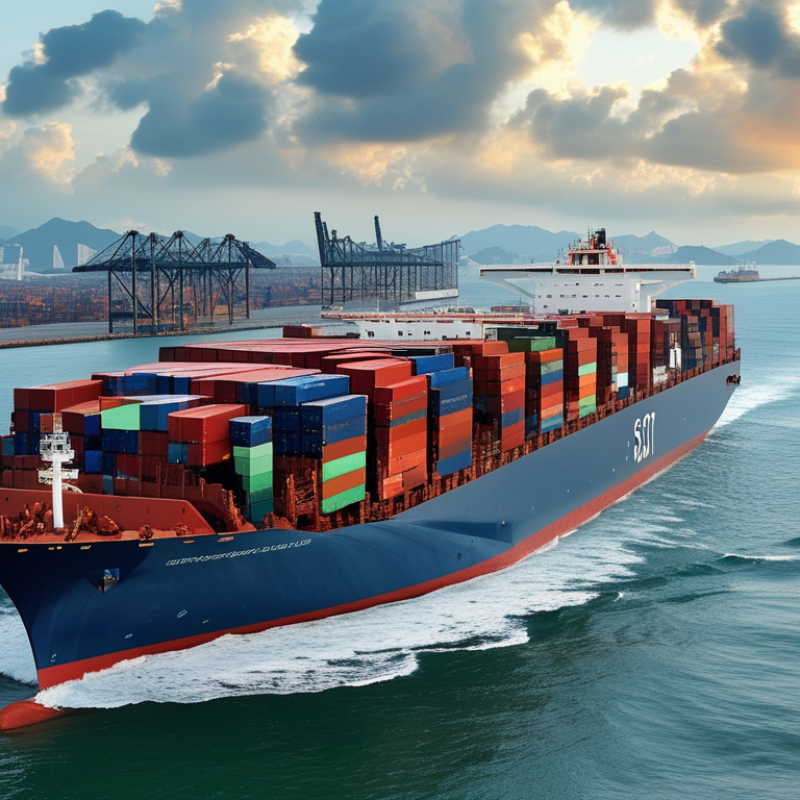
When considering transportation options, cost is often the top priority. Sea freight is typically more affordable than air cargo. Shipments by sea can carry larger volumes. This reduces the cost per unit significantly. Businesses often benefit from this economy of scale. It’s a practical choice for bulk goods.
Shipping by sea also has noteworthy advantages. Since sea freight is generally slower, it allows businesses to plan better. Companies can organize shipments well in advance, minimizing last-minute rush costs. This slow pace, though sometimes seen as a drawback, can lead to better budgeting. It's a chance for companies to explore more sustainable practices, like using larger, more fuel-efficient vessels.
However, there are challenges. Sea freight often involves longer transit times. Unforeseen delays due to weather or port congestion can occur. Businesses need to weigh these factors when deciding. Finding a balance between cost and timely delivery is essential. This decision can impact customer satisfaction greatly. It's not just about being cheap; it’s about being effective.
| Reason | Description | Cost-Effectiveness (Average Cost per Ton) |
|---|---|---|
| Lower Shipping Costs | Sea freight typically offers more competitive rates compared to air cargo, making it ideal for bulk shipments. | $100 - $300 |
| Higher Capacity | Ships can carry significantly larger volumes compared to planes, allowing for cost savings on large shipments. | $100 - $300 |
| Environmental Impact | Sea freight is generally more environmentally friendly, emitting less CO2 per ton-mile than air freight. | $100 - $300 |
| Reduced Risk of Damage | Longer transport duration allows for more careful handling and stowing of cargo. | $100 - $300 |
| Flexibility of Cargo Types | Sea freight can accommodate a wider variety of goods, including large and heavy items. | $100 - $300 |
| Long Distance Shipping | Ideal for international transport over long distances where air freight may be less feasible financially. | $100 - $300 |
| Fewer Regulations | Sea freight often faces fewer transport regulations than air cargo, simplifying logistics. | $100 - $300 |
| Insurance Rates | Insurance for sea freight is usually lower compared to air freight due to lower risk of damage. | $100 - $300 |
| Stability of Rates | Shipping rates for sea freight are generally more stable and predictable over time. | $100 - $300 |
| Long-Term Shipping Contracts | Opportunities for long-term contracts that further reduce shipping costs and provide reliable service. | $100 - $300 |
: Sea freight emits fewer greenhouse gases compared to air cargo. Shipping by sea means a lower carbon footprint.
Ships require less fuel to transport goods. This efficiency makes sea freight a greener option for businesses.
A typical container ship can carry over 20,000 TEUs. This capacity is ideal for transporting large volumes of goods.
Sea transport has longer transit times, which can lead to delays. Businesses may need to adjust their delivery timelines.
Yes, shipping via sea can cost significantly less. It ranges from $0.10 to $0.15 per ton, unlike higher air freight costs.
Companies might struggle to meet customer expectations for fast delivery. Balancing speed and sustainability is crucial.
Businesses should evaluate their logistics continuously. Optimizing capacity and reducing delays requires ongoing reflection and adaptation.
Industries handling raw materials, such as agriculture and mining, greatly benefit from bulk shipping via sea freight.
While sea freight is greener, there's still an impact. Continuous improvement in logistics is necessary for better efficiency.
Companies need to balance environmental benefits, costs, and delivery timelines. Each decision should reflect sustainable practices.
When considering "Why choose sea freight over air cargo", several key advantages come to the forefront. Firstly, sea freight is often more cost-effective, making it an ideal choice for businesses looking to minimize shipping expenses, especially for large volumes. Additionally, sea freight services offer significant environmental benefits due to lower carbon emissions compared to air transport, appealing to companies aiming for sustainable practices.
Furthermore, when it comes to capacity, sea freight accommodates bulk shipping, allowing for larger quantities of goods in a single shipment. Although transit times for sea freight are generally longer than air cargo, this trade-off is often worthwhile for those prioritizing cost and environmental impact. The flexibility in shipping options available with sea freight services also enables businesses to cater to diverse logistical needs, providing a well-rounded solution for international shipping.

 FSG Logistics