Top 10 Differences Between LCL and FCL Shipping for Global Buyers?

Time:2026-05-07 Author:Aria
0%

When navigating global trade, buyers often grapple with logistical choices. One common question is "What is LCL vs FCL shipping?" According to Dr. Sarah Kingston, a leading expert in international logistics, “Understanding the distinctions between LCL and FCL can make or break your shipping strategy.”

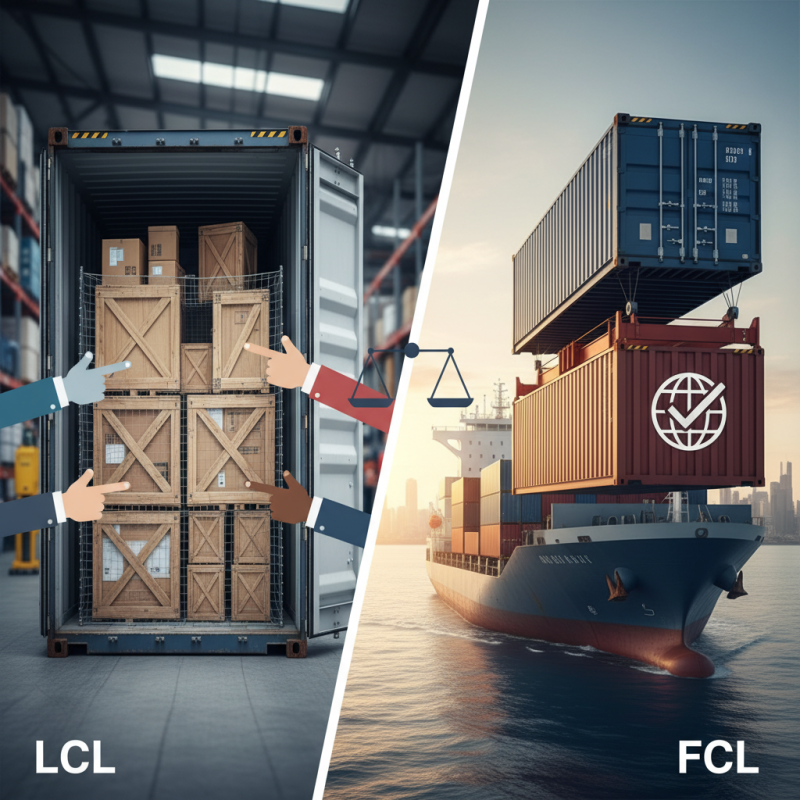
LCL (Less than Container Load) and FCL (Full Container Load) are two primary methods for shipping goods. LCL allows multiple buyers to share container space, which is cost-effective for smaller shipments. In contrast, FCL offers the convenience of an entire container to one buyer, making it ideal for larger volumes. This fundamental difference significantly impacts costs, transit times, and handling procedures.

Choosing between LCL and FCL shipping isn't merely a logistical decision; it requires careful consideration of shipping volume, costs, and delivery timelines. Many buyers may underestimate the importance of this choice. For instance, opting for LCL can save money, but delays can occur due to consolidation processes. It's vital for buyers to weigh the pros and cons carefully to ensure optimal shipping outcomes.
Top 10 Differences Between LCL and FCL Shipping for Global Buyers?

Differences in Definition: LCL vs. FCL Shipping Explained

When it comes to shipping, understanding the key differences between Less than Container Load (LCL) and Full Container Load (FCL) shipping is crucial. LCL shipping refers to transporting smaller shipments that do not fill an entire container. It allows shippers to share container space, making it a cost-effective option for smaller businesses. On the other hand, FCL shipping is about using an entire shipping container solely for one shipment. This usually offers better rates per unit and faster delivery since the container goes directly to its destination.

The choice between LCL and FCL can have practical implications. With LCL, goods may be consolidated with others, leading to longer transit times due to multiple stops. This can be frustrating for businesses that need quick delivery. In contrast, FCL shipments generally have predictable timelines. However, they require a larger upfront investment, which may not be feasible for every global buyer. Evaluating your shipment size and urgency is essential, as not all shipping solutions will meet every need.

Inexperienced buyers might overlook these details. Every shipment decision has financial consequences. Therefore, it’s important to carefully consider your options based on shipment volume, urgency, and budget constraints. Reflecting on past experiences can guide better decisions in future shipments.

Top 10 Differences Between LCL and FCL Shipping for Global Buyers

Aspect LCL Shipping FCL Shipping
Definition Less than Container Load; shipments shared with others Full Container Load; dedicated container for one shipment
Cost Generally lower for small shipments Cost-effective for larger shipments
Transit Time Longer due to consolidation processes Faster as it’s direct from origin to destination
Tracking Often less tracking information More detailed tracking available
Risk of Damage Higher risk due to multiple handling Lower risk with dedicated container handling
Volume Requirement Suitable for small to medium shipments Ideal for large shipments
Flexibility More flexible for varying volumes Less flexible, must fill entire container
Customs Clearance More complex due to multiple consignors Simpler with one consignor
Availability Readily available for small shipments Available for large shipments but may require booking
Environmental Impact More transports and handling can increase carbon footprint Generally more efficient for larger loads

Cost Comparison: Analyzing LCL and FCL Shipping Rates

When comparing LCL (Less than Container Load) and FCL (Full Container Load) shipping, cost plays a critical role for global buyers. Industry reports indicate that LCL shipping can be more economical for smaller shipments, especially when transport volumes are low. The World Bank notes that LCL rates average approximately $150 to $300 per cubic meter, while FCL rates typically start around $1,200 for a 20-foot container. This disparity highlights how LCL can save costs on smaller loads, though it may not be as affordable for larger shipments.

However, LCL also introduces additional costs. Consolidation and handling fees can inflate the final price. According to Freightos, LCL shipments may incur an extra 20% to 30% in fees when compared to FCL. On the flip side, FCL shipments benefit from lower per-unit costs. With a fixed fee for the full container, larger shipments spread out costs effectively. This structure can lead to significant savings for buyers who regularly move large volumes.

Buyers must weigh these factors. LCL is often slower due to consolidation processes. It may lead to inventory delays. These challenges remind supply chain managers to reassess their shipping strategies regularly. Balancing speed and cost is essential in global trade, and understanding these differences is crucial for effective decision-making.

Transit Time Variability: How LCL and FCL Deliveries Differ

When shipping goods internationally, understanding transit time is crucial. LCL (Less than Container Load) and FCL (Full Container Load) have distinct delivery timelines. LCL shipments combine cargo from multiple customers, which can lead to longer transit times. Freight forwarding schedules and consolidation processes introduce variability. Your shipment may experience delays due to cargo waiting for additional loads. This unpredictability can impact inventory management for global buyers.

On the other hand, FCL shipping offers a more direct route. When a full container is booked, the goods travel without extra handling or delays. This method provides a clearer timeline, as it typically follows a set schedule. However, FCL can come with higher costs. Buyers must weigh the benefits of faster delivery against their budget constraints. The choice between LCL and FCL is often a balancing act. Each option has trade-offs that require careful consideration.

Cargo Volume and Weight Considerations for LCL and FCL

When it comes to global shipping, understanding cargo volume and weight is essential for choosing between Less than Container Load (LCL) and Full Container Load (FCL) options. LCL shipments are ideal for smaller volumes. According to industry reports, LCL is suitable for shipments under 15 cubic meters. On the other hand, FCL is preferred for larger shipments, often exceeding 28 cubic meters. This difference in volume impacts shipping costs and transit times significantly.

Weight considerations are crucial too. LCL charges generally apply based on either total weight or cubic volume, whichever is greater. The average weight threshold for FCL is around 20 tons, making it cost-effective for heavier cargo. Buyers should carefully calculate their product's weight and volume to avoid unexpected charges. Reports indicate that miscalculating these factors can lead to costs 20-30% higher than anticipated.

Tips: If your cargo is close to the volume limits, consider measuring it accurately. It can save you money. Always request quotes from multiple carriers for a better understanding of your options. Additionally, if your shipment fluctuates in size, think about seasonal patterns. This foresight can improve efficiency and reduce costs.

Risk Assessment: Insurance and Liability in LCL vs. FCL Shipping

When considering logistics, understanding insurance and liability in LCL (Less than Container Load) versus FCL (Full Container Load) shipping is crucial. According to industry reports, LCL shipments account for around 20% of global freight. This shipping method often attracts lower costs, but it can also involve higher risk. Goods from multiple shipments travel together, increasing exposure to damage or loss.

FCL shipping offers a more secure option, as a full container is dedicated to one buyer. This reduces handling and the associated risks. A study found that LCL shipments have a 30% higher likelihood of damage during transport compared to FCL. For buyers, ensuring adequate insurance is vital. In LCL shipping, providing comprehensive coverage can be complex due to shared container space.

Tips: Always verify insurance coverage with your logistics partner. Don’t assume standard policies include all risks. Consider opting for additional coverage for LCL shipments, especially for fragile items. Remember, the lower shipping cost may not compensate for potential losses. Ensure you conduct risk assessments regularly to safeguard your investment in logistics.

FAQS

: What is LCL shipping?

: LCL stands for Less than Container Load. It involves transporting smaller shipments that don't fill a container.

What is FCL shipping?

FCL means Full Container Load. It uses an entire shipping container for one shipment.

What are the cost implications of LCL shipping?

LCL can be cost-effective for smaller shipments but may have additional consolidation fees.

How do LCL and FCL affect delivery times?

LCL may lead to longer transit times due to multiple stops. FCL shipping is generally quicker.

Why might buyers struggle with their shipping choices?

Inexperienced buyers may overlook shipment details. This can lead to costly mistakes.

Are there additional fees with LCL shipping?

Yes, LCL shipments may incur 20% to 30% more in handling and consolidation fees compared to FCL.

How do buyers determine the best shipping method?

They should consider shipment size, urgency, and budget. Reflecting on past experiences helps.

Is FCL more economical for larger shipments?

Yes, FCL can save costs on larger loads, thanks to fixed fees spread across units.

What challenges can arise with LCL shipping?

LCL may cause inventory delays and requires careful management to avoid frustration.

How important is it to reassess shipping strategies?

Regular reassessment is crucial. Balancing speed and cost can impact overall supply chain effectiveness.

Conclusion

Understanding the differences in shipping methods is crucial for global buyers, particularly when deciding between LCL (Less than Container Load) and FCL (Full Container Load) shipping. What is LCL vs FCL shipping? LCL involves shipping smaller quantities that do not require a full container, while FCL is for larger shipments that utilize the entire container space. This fundamental distinction influences various factors including costs, transit times, and cargo dimensions.

When analyzing cost comparisons, LCL is often more economical for smaller shipments, while FCL may offer savings for larger volumes. Additionally, transit times can vary, with FCL typically providing quicker delivery due to direct transport routes. Buyers must also consider cargo volume and weight, as well as the risks associated with each method, including insurance and liability. Understanding these key differences helps global buyers make informed choices tailored to their shipping needs.

Aria

Aria

Aria is a dedicated marketing professional with a deep passion for innovative strategies and a keen understanding of our company's product offerings. With a wealth of experience in the industry, Aria excels at crafting engaging content that highlights the unique features and benefits of our......