Why Cold Chain Shipping Is Important 7 Tips?

Time:2026-10-02 Author:Liam
0%

Why cold chain shipping is important becomes clear when a shipment’s temperature changes by only a few degrees. Fresh seafood can lose its texture. Vaccines and medicines can lose their effectiveness. Frozen foods may develop ice crystals, damaged packaging, or unsafe temperature abuse during transport.

Dr. Prashant Yadav, a recognized global health supply-chain expert, explains, “A cold chain is only as strong as its weakest link.” That link could be a delayed loading dock, a poorly calibrated sensor, or an untrained driver. The risk continues from production and packing to storage, customs clearance, and final delivery. One warm corridor can compromise an otherwise careful journey.

This guide examines seven practical tips for building a more reliable cold chain. It covers validated packaging, real-time temperature monitoring, route planning, contingency storage, staff training, and accurate documentation. These controls are not merely technical details. They protect product quality, customer safety, and business credibility.

Small failures matter.

A shipment may look perfect outside while its internal temperature history tells another story. That is why companies should review temperature data, investigate deviations, and improve procedures instead of assuming every delivery went well. No system is flawless. Even experienced teams need regular checks.

Understanding why cold chain shipping is important helps businesses make better decisions before problems appear. Reliable refrigeration is not just about keeping products cold. It is about preserving their intended condition, from the first mile to the customer’s hands.
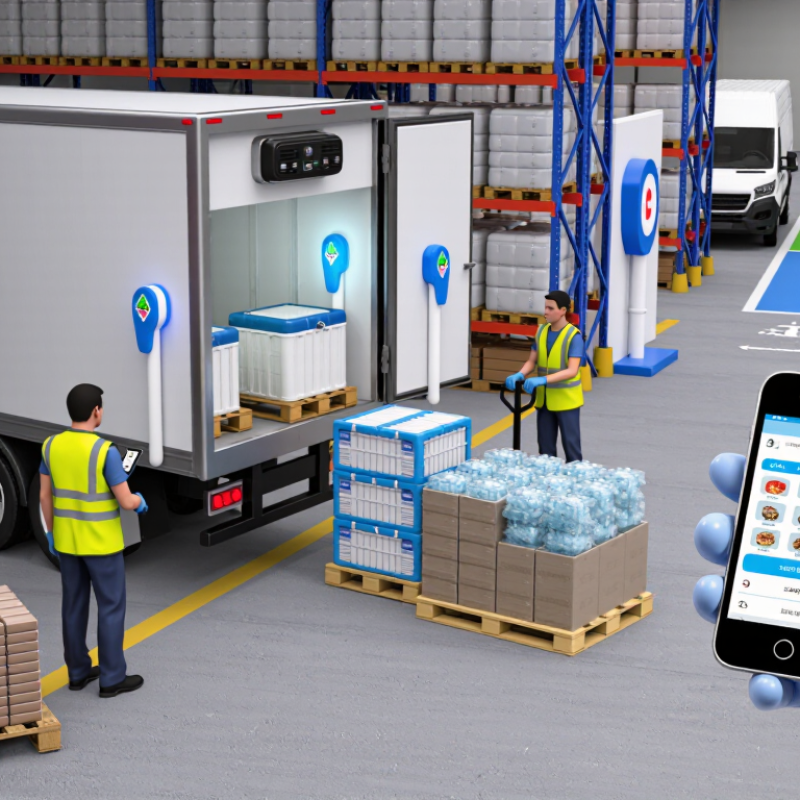
Why Cold Chain Shipping Is Important 7 Tips?

Cold Chain Basics: WHO’s 2–8°C Vaccine Range and Codex’s −18°C Frozen Standard

Cold chain shipping protects products that cannot tolerate temperature abuse. For vaccines, the World Health Organization generally specifies a controlled range of 2–8°C for many refrigerated products. A few degrees matter. Freezing can damage sensitive formulations, even when the carton appears normal.

Frozen foods follow a different benchmark. The Codex General Principles of Food Hygiene recommend maintaining frozen food at −18°C or colder. FAO reports that about 14% of food is lost between harvest and retail, with poor temperature control contributing to waste.

Practical controls help: map the route; pre-cool the cargo; use calibrated sensors; record temperatures continuously; choose insulated packaging; limit door openings; inspect the shipment immediately.

Keep evidence. Temperature logs support release decisions and help identify weak handoffs. A sensor near the container wall may record warmer conditions than the product center. That detail is easy to miss. Packaging should match transit duration, weather, payload, and expected delays. WHO guidance also emphasizes qualified equipment and monitoring within vaccine supply chains. In real operations, a “stable” shipment may still hide a short temperature excursion. Recheck alarm limits, review calibration dates, and question readings that look unusually perfect. These habits make cold chain shipping more reliable, though no checklist replaces route-specific testing.

Why Temperature Control Matters: WHO Reports Up to 50% Vaccine Waste

Why Cold Chain Shipping Is Important: 7 Tips

Why Temperature Control Matters: WHO Reports Up to 50% Vaccine Waste

Temperature control protects vaccine potency from the warehouse to the clinic. The World Health Organization reports that up to 50% of vaccines may be wasted worldwide, often because of temperature failures, logistics problems, or expiry. Many routine vaccines require storage between 2°C and 8°C. A brief exposure to heat can damage sensitive products, even when the carton looks normal.

Seven practical controls help reduce risk. Check the shipment profile before packing. Precondition coolant packs correctly. Use qualified thermal packaging. Place calibrated data loggers near the product, not only beside the box. Record temperatures continuously. Confirm delivery routes and delay points. Prepare a documented backup plan for power or vehicle failures.

Small details matter. A warm loading dock can undo careful refrigeration. Door openings also create hidden temperature swings. WHO vaccine management guidance stresses monitoring, stock rotation, equipment maintenance, and staff training. The U.S. Centers for Disease Control and Prevention also advises documenting temperature excursions and isolating affected vaccines until experts assess them.

Human error remains possible. A sensor may be calibrated, but poorly positioned. A checklist may exist, but nobody reads it during a delay. That is why teams should review alarms, delivery records, and rejected shipments regularly. Cold chain shipping is not only a packaging task. It is a disciplined, evidence-based process from storage to administration.

Cold Chain Risk Points: FAO Reports 14% of Food Is Lost Before Retail

Why Cold Chain Shipping Is Important: 7 Practical Tips

The FAO reports that about 14% of food is lost before retail. Temperature abuse is one important reason, but it is not the only one. Delays, poor handling, weak packaging, and incomplete records can also damage products. A warm pallet may look normal while quality declines inside. Cold chain shipping protects freshness, safety, and usable inventory from harvest to store.

Map the risk points before shipping. Pre-cool products and containers properly. Use sensors that record temperature continuously. Check sensor calibration before important loads. Leave enough space for air movement around cartons. Prepare backup plans for delays, power loss, or vehicle problems. Train every handler to record handoffs clearly. Small gaps matter. A loading dock door left open for twenty minutes can change the result.

Real operations are rarely perfect. A sensor can fail, or a driver may face unexpected traffic. Teams should review temperature data after delivery, not only file it away. Look for repeated spikes near loading, customs, or storage transfers. Then adjust packing, routes, or staff procedures. Reliable cold chain work depends on evidence, not assumptions. The goal is not merely keeping cargo cold. It is maintaining the correct temperature, humidity, timing, and traceability throughout the journey.

Seven Shipping Tips: Packaging, Data Loggers, Handoffs, Backup, and Compliance

Why Cold Chain Shipping Is Important: Seven Practical Tips

Cold chain shipping protects products from temperature damage, but success depends on daily details. Choose packaging that matches the product, transit time, and expected weather. Precondition coolants correctly, and leave enough space around the shipment. A tight seal helps, yet excessive insulation can delay cooling. Test the complete package before routine use. Real shipments rarely behave like laboratory samples.

Place a calibrated data logger beside the most temperature-sensitive contents. Do not hide it under coolant or against an exterior wall. Record the starting temperature, device ID, and activation time. Share clear handoff instructions with every carrier, warehouse, and receiver. Each person should know who checks the logger and who reports an excursion. Keep contact details visible. People sometimes assume someone else is responsible.

Prepare a backup plan before the route begins. Identify alternate storage, replacement packaging, and an emergency contact. Review weather, delays, customs requirements, and delivery windows. Maintain records for packaging tests, logger calibration, training, and temperature reviews. Follow applicable shipping rules, product instructions, and quality procedures in every destination. Compliance is not just paperwork. It supports traceability and defensible decisions. One weakness remains common: teams may collect data without reviewing it quickly. A useful process turns alerts into action, documents the decision, and improves the next shipment.

Measuring Success: GDP Records, IoT Alerts, and Documented Temperature Excursions

Why Cold Chain Shipping Is Important: 7 Tips

Measuring success requires more than a delivery confirmation. GDP records should show shipment identity, lane, packaging, calibration status, and every handoff. WHO guidance recommends temperature mapping, qualified equipment, and reliable monitoring. Its 2023 Global Vaccine Market Report also notes that around 1.5 billion vaccine doses are wasted each year, although temperature failure is only one contributing factor. The number is uncomfortable. It shows why cold chain control needs evidence, not assumptions.

IoT alerts can reveal a warming parcel before the receiver opens it. Yet an alert alone proves little. Teams should record the timestamp, location, threshold, device status, and response owner. IATA’s Temperature Control Regulations emphasize documented handling procedures and clear communication across transport partners. In practice, a clean dashboard can still hide a weak handoff. We have learned this the hard way.

Tips: Set product-specific limits, not generic ranges. Use calibrated sensors. Test alert escalation monthly. Keep GDP records readable and retrievable. Photograph damaged packaging. Document every temperature excursion, including duration and disposition. Review repeated alerts by route, season, and carrier. Avoid deleting inconvenient data. A short excursion may not damage every product, but releasing it without qualified assessment weakens reliability. Mistakes happen. Missing records make them harder to defend.

Why Cold Chain Shipping Is Important: 7 Tips — Measuring Success with GDP Records, IoT Alerts, and Documented Temperature Excursions

Cold Chain Tip Measurable Dimension Reference Control or Target Required Evidence Success Indicator
1 Define the product temperature range before shipping. Product temperature profile Use the approved product specification. Common reference ranges include 2–8°C for refrigerated products, 15–25°C for controlled room temperature products, and −20°C or colder for many frozen products. Product label, approved shipping instructions, packaging configuration, and lane-specific handling procedure. 100% of shipments have an approved temperature range before release to the carrier.
2 Use calibrated temperature monitoring devices. Calibration status and data coverage 100% of active sensors have current calibration records. Calibration intervals must follow the quality system, device specifications, and risk assessment. Calibration certificate, sensor identification number, measurement range, accuracy statement, and calibration due date. No shipment is monitored with an expired, unidentified, or unsuitable sensor.
3 Configure IoT monitoring and actionable alerts. Alert latency and response time A practical operating target is an alert generated within 5 minutes of a confirmed threshold breach and acknowledged within 15 minutes. Actual limits should be risk-based. Alert history, notification recipients, acknowledgment time, escalation record, location data, and corrective action. 100% of critical alerts are acknowledged, investigated, and closed with a documented decision.
4 Qualify packaging and transport lanes. Temperature stability during the complete journey Conduct seasonal or risk-based qualification using representative packaging, transit duration, handling events, and environmental conditions. Packaging qualification protocol, test results, route assessment, shipping duration, coolant configuration, and approved lane report. Qualified lanes keep the product within its approved temperature range throughout normal transport conditions.
5 Maintain complete GDP-compliant records. Record completeness and traceability 100% record completeness for shipment identification, product, quantity, sensor, timestamps, temperature results, transport route, alarms, and disposition. Shipment record, temperature report, chain-of-custody details, delivery confirmation, deviation record, and responsible-person approval. Each shipment can be reconstructed from dispatch through delivery without unexplained data gaps.
6 Document and assess every temperature excursion. Excursion investigation quality Record the minimum or maximum temperature, duration, location, affected product, probable cause, and risk-based disposition before product release. Excursion report, electronic temperature graph, product stability information, investigation, quality decision, and corrective action. 100% of excursions receive a documented assessment; no affected product is released without authorized disposition.
7 Review trends and improve the cold chain continuously. Excursion rate and recurring-cause rate Review performance at least quarterly, or more frequently for high-risk products. Track excursions per 100 shipments and group causes such as delay, packaging, equipment, or handling. GDP review records, KPI dashboard, deviation trend analysis, root-cause investigation, CAPA plan, and effectiveness check. Recurring causes decline over time, CAPA actions are completed by their due dates, and unexplained excursions are eliminated.
Temperature limits are product-specific. The reference ranges and response targets shown above are operational examples and must be confirmed against the approved product specification, stability data, quality procedures, and applicable GDP requirements.

FAQS

What temperature range suits many refrigerated vaccines?

Many require 2–8°C during storage and transport. Freezing may damage sensitive formulations, even when packaging looks normal.

What temperature applies to frozen food?

Frozen food is generally maintained at −18°C or colder. Warmer conditions can reduce quality and increase waste.

Why should temperatures be recorded continuously?

Continuous records reveal short temperature excursions during loading, delays, or handoffs. A single final reading may hide earlier damage.

Where should a data logger be placed?

Place it beside the most temperature-sensitive contents. Avoid hiding it under coolant or pressing it against an exterior wall.

How should thermal packaging be selected?

Match packaging to transit time, weather, payload, and likely delays. Test the complete package before routine shipping.

What should happen before loading a shipment?

Pre-cool the cargo and condition coolant packs correctly. Check the starting temperature, device ID, and activation time.

How can teams reduce risks during handoffs?

Give every carrier and receiver clear instructions. Identify who checks the logger and who reports an excursion.

What should happen after a temperature alarm?

Isolate the affected shipment and document the event. Qualified staff should assess it before release or use.

Why is a backup plan necessary?

Prepare alternate storage, replacement packaging, and emergency contacts. Power failures and vehicle delays happen.

Can a checklist guarantee cold chain safety?

No checklist is enough. Review alarms, calibration dates, delivery records, and unusual readings regularly. Perfect data can still be wrong.

Conclusion

Why cold chain shipping is important becomes clear when temperature-sensitive vaccines and food must remain safe and effective throughout transportation. Vaccines generally require a controlled range of 2–8°C, while many frozen foods are maintained at around −18°C. Even brief temperature changes can reduce product quality, shorten shelf life, or cause waste. In healthcare, poor temperature control can contribute to significant vaccine losses, while food handling failures are linked to substantial losses before products reach retailers.

Reliable cold chain shipping depends on more than refrigerated vehicles. Shippers should use suitable insulated packaging, calibrated data loggers, clear handoff procedures, backup power or storage plans, and documented compliance checks. Staff training and fast communication are also essential when delays or temperature excursions occur. Success can be measured through GDP-aligned records, real-time monitoring alerts, and complete reports showing when, where, and how conditions changed. Together, these practices protect products, reduce waste, improve accountability, and support safe delivery from origin to destination.

Liam

Liam

Liam is a dedicated marketing professional with a profound expertise in the industry, where he excels at highlighting the unique advantages of our core products. With a keen understanding of market trends and consumer needs, Liam frequently updates our company’s professional blog, providing......