Strategic tools and services powering the modern global trade ecosystem.
In the contemporary global economy, the term "Logistics Factory" represents a seismic shift in how goods move across borders. No longer is freight forwarding just about shifting boxes; it is about the industrialization of data and movement. China, as the world's manufacturing powerhouse, has evolved its logistics sector into a high-tech "factory" of information, efficiency, and reliability.
Guangzhou FSG Logistics Co., Ltd. stands at the forefront of this evolution. Founded in 2011, FSG has transitioned from a traditional provider into a digital-first leader under the FSG TransLink brand. This evolution is driven by the need for "Information Gain" — providing clients not just with shipping, but with predictive insights, real-time transparency, and a resilient supply chain that can withstand global volatility.
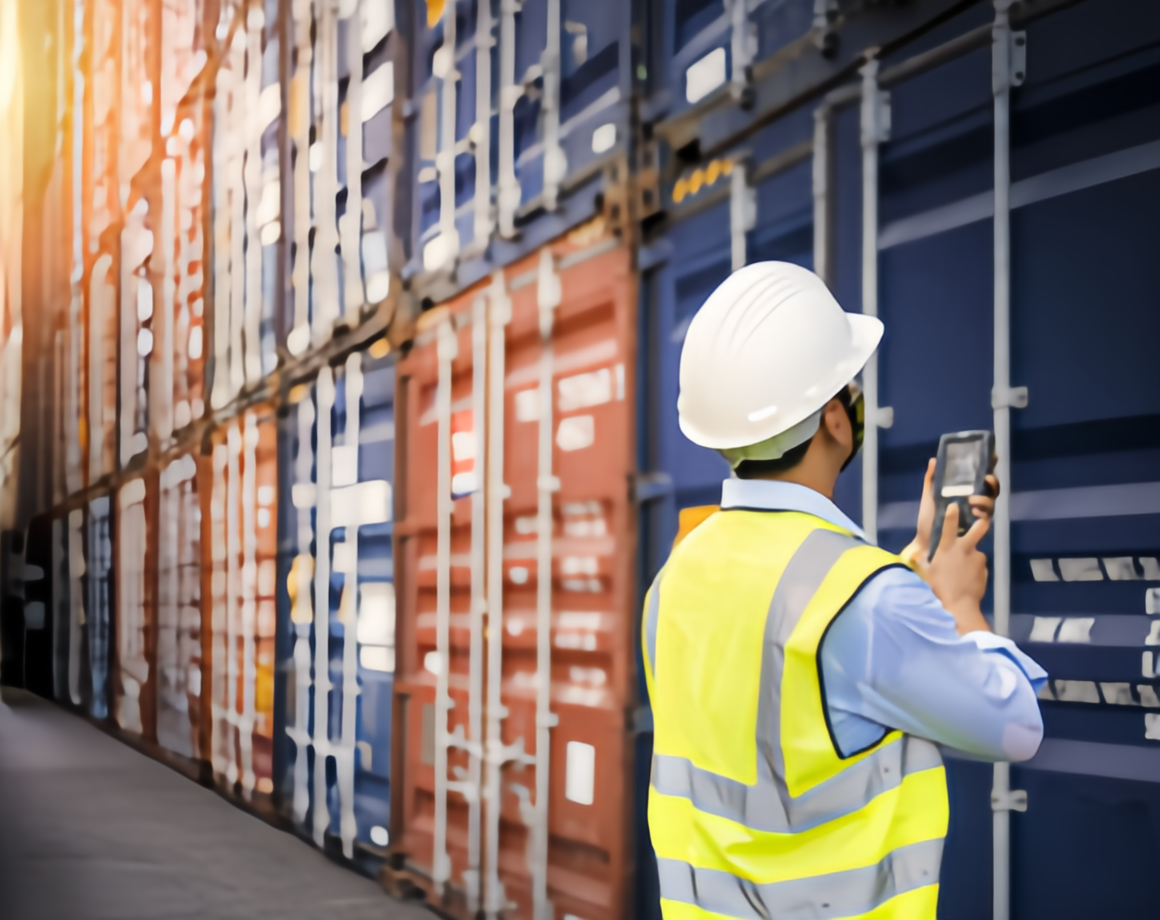
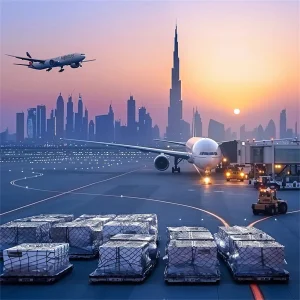
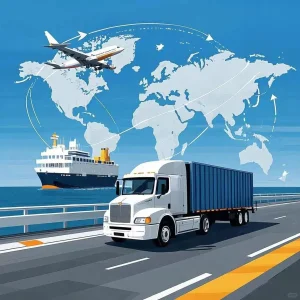
Figure 1: FSG TransLink's Global Network Operations
Digital freight forwarding leverages cloud computing, Big Data, and AI to automate the quoting, booking, and tracking processes. For a "China Factory," this means integrating directly with manufacturer ERP systems to ensure that as soon as a product leaves the production line, its digital twin is created in the logistics pipeline. This synergy reduces lead times by up to 30% and eliminates the manual errors typical of legacy systems.
China possesses 7 of the world's 10 busiest container ports. This physical density, combined with digital "smart port" technology, allows for unmatched FCL and LCL consolidation speed.
The integration of the "Belt and Road" railway networks allows FSG to offer rail cargo solutions that are faster than sea and cheaper than air, specifically serving Russia and Central Europe.
Chinese forwarding factories utilize proprietary software for customs clearance (EDI) and warehouse management (WMS), ensuring 99.9% documentation accuracy.
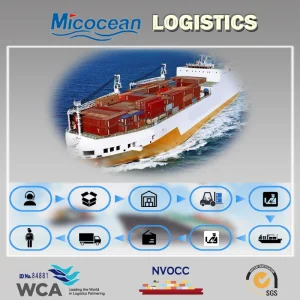
As detailed by Guangzhou FSG Logistics Co., Ltd., the company’s capabilities cover multimodal transportation, including air, sea, and rail. This flexibility is the cornerstone of resilience. During port strikes or fuel crises, a digital forwarder can re-route shipments in real-time, switching from Sea Freight to Railway or Air Express seamlessly.
The future of digital forwarding is not just about "moving" but about "knowing." FSG TransLink is currently implementing a roadmap that shifts from reactive to predictive logistics.
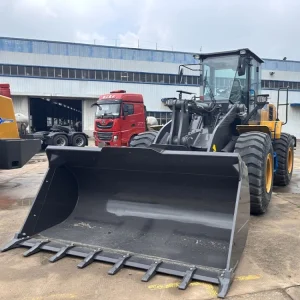
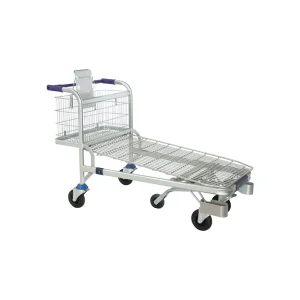
FSG leverages real-time tracking and warehouse automation. One notable application is the use of Barcode Scanning Warehouse Trolleys for inventory management, ensuring that every SKU is accounted for in real-time. This level of granular detail allows for specialized handling of temperature-sensitive cargo, hazardous goods (such as batteries), and high-value industrial machinery like used wheel loaders.

A global logistics partner must be a local expert in every port. FSG provides end-to-end support including:
Specialized routes to Belgium, Denmark, Austria, and the UK with customs clearance and tax (VAT) included. This removes the administrative burden from the buyer.
Door-to-door services to Brunei, Myanmar, Malaysia, and Thailand, navigating the diverse regulatory landscapes of ASEAN countries.
Professional handling of liquids, powders, and solar panels, ensuring compliance with IMO and IATA safety regulations.
The current global industrial situation demands more than just shipping. It requires Supply Chain Consulting. FSG Logistics empowers businesses to optimize their landing costs using consolidation strategies in Ningbo, Shenzhen, and Qingdao. By combining fragmented shipments into FCL (Full Container Loads), companies can achieve economies of scale that were previously only available to multinational corporations.
 FSG Logistics