Explore our operational capabilities, eco-friendly product runs, and direct shipping routes optimized for minimized Scope 3 emission footprints.

Sustainable freight operations go beyond the simple purchase of carbon offsets. Modern green logistics integrates supply chain analytics, fuel optimization, and green multi-modal transitions. As global policy vectors like the European Union's Carbon Border Adjustment Mechanism (CBAM) and Corporate Sustainability Due Diligence Directive (CSDDD) tighten, international buyers must transition to logistics networks that prioritize carbon accountability.
FSG TransLink implements a system-wide approach to waste reduction and energy conservation. By prioritizing consolidated rail freight networks, low-sulfur maritime shipping lanes, and IoT-driven load balancing, we ensure that products manufactured in China's industrial hubs are exported to Western markets with optimized carbon efficiency.
Established in the manufacturing hub of Guangzhou, China in 2011, Guangzhou FSG Logistics Co., Ltd. has scaled from a regional freight forwarder into a globally recognized intercontinental logistics operator. Under the flagship brand FSG TransLink, we support multi-modal operations across sea, land, and air. Our core capabilities cover customs clearance, inter-modal cargo consolidation, advanced inventory management, final-mile fulfillment, and bespoke supply chain consulting.
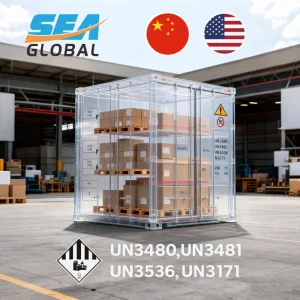
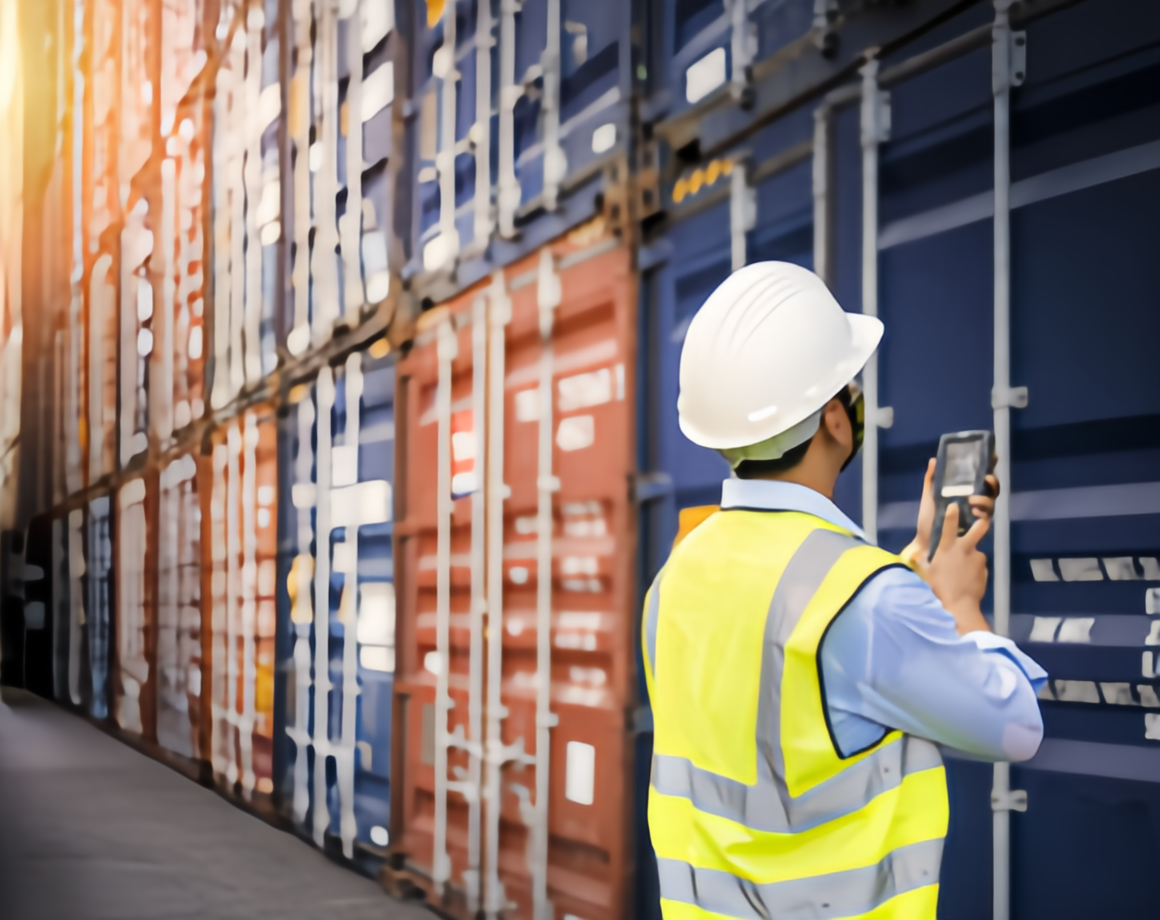
Our integration of cutting-edge supply chain technologies, including real-time GPS tracking, complex route-planning algorithms, and automated warehousing systems, allows us to optimize routes and maximize energy savings. Furthermore, we maintain highly specialized divisions focused on the transport of temperature-controlled freight, hazardous materials (including UN3480 lithium batteries), and capital equipment.
The path to zero-carbon logistics requires transitioning from legacy transport methods to a technology-driven infrastructure. FSG TransLink's roadmap is built on three key pillars:
Leveraging AI models to continuously analyze weather conditions, port congestion, and shipping lane efficiency to minimize empty backhauls and fuel burn.
Prioritizing carriers using LNG and sustainable aviation fuels (SAF). In land operations, we emphasize electric vehicle (EV) fleets for final-mile logistics.
Providing cargo-level IoT sensor integration that reports temperature, vibrations, and calculated CO2e emissions in real time.
By tracking and assessing emissions from manufacturing to final destination, FSG TransLink enables global buyers to generate verifiable sustainability reports. This provides the documentation needed to verify Scope 3 carbon compliance for international standards.
This table compares the impact of transitioning from conventional freight forwarding to FSG TransLink's Green Logistics framework.
| Logistics Metric | Conventional Shipping | FSG TransLink Green Framework | Net Environmental/Operational Value |
|---|---|---|---|
| Primary Land Transport | Standard Diesel Trucking | Electrified Fleets & Inter-modal Rail | Up to 60% CO2e Reduction per Ton-KM |
| Ocean Cargo Efficiency | Non-Optimized Direct Routing | Al-Driven Slow-Steaming & Port Sync | 15-20% Fuel Savings |
| Cargo Consolidation | Partial Container Load Wastage | Dynamic Space Optimization & Packaging LCL | Maximized Container Volume Density |
| Compliance Protocols | Basic Custom Clearance | Integrated CBAM & Green Border Declaration | Minimized Regulatory Sanction Risks |

The shift toward Green Logistics is closely linked with the transformation of Chinese factories into Factory 4.0 manufacturing facilities. Smart industrial facilities rely on high-precision CNC machining, waste-minimization systems, and low-energy tooling to reduce emissions at the source. However, these efficiency gains can be lost if products are handled by inefficient, carbon-heavy supply chains.
FSG TransLink provides the connection between sustainable manufacturing and low-carbon delivery. We synchronize warehousing systems with factory outputs to enable "Just-in-Time" logistics. This minimizes warehouse energy use, reduces inventory holding costs, and eliminates double-handling.
Different industries require tailored approaches to reduce their supply chain carbon footprint. We offer customized frameworks designed to meet these specific needs:
Global trade relies on clear communication and compliance with local regulations. FSG TransLink maintains dedicated regional clearance agencies to support our networks across the USA, Europe, Russia, Mexico, and Latin America. Our local presence allows us to manage complex import procedures, navigate tariffs, and secure necessary certifications.
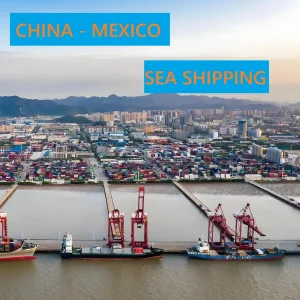
For example, our USA DDP shipping routes feature automated customs clearance and bonded warehousing, helping exporters avoid port delays. In Mexico (specifically serving Altamira and Manzanillo ports), we offer integrated container devanning and local distribution. This minimizes fuel consumption from local transport and helps prevent costly storage and demurrage fees.
For purchasing managers, sourcing logistics providers requires balancing cost with sustainability goals. FSG TransLink addresses this by combining eco-friendly operations with competitive pricing structures.
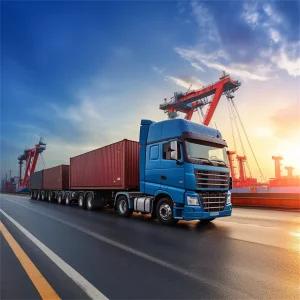
By consolidating cargo and optimizing container capacity, we keep sea freight rates competitive while maintaining low emissions per unit. Our consolidated railway services offer a fast, reliable, and lower-emission alternative to air freight for intercontinental routes.
Key insights into carbon reduction, shipping regulations, and how to optimize your international shipping routes.
A green logistics solution focuses on reducing environmental impact by optimizing cargo consolidation, using alternative fuels, scheduling efficient multi-modal routes (such as rail instead of air), and utilizing energy-efficient warehousing.
We calculate emissions using industry-standard guidelines like the GLEC framework, assessing route distances, vehicle types, fuel consumption, and cargo weight to provide clear reports for your environmental documentation.
Yes. By planning routes that combine rail and sea transit, we avoid the high emissions of air freight while ensuring strict compliance with safety regulations like UN3480 and UN3481.
Rail transport serves as a middle ground: it is up to 70% faster than sea freight and produces roughly 90% fewer carbon emissions compared to air freight, making it an excellent option for landlocked destinations.
Not necessarily. By improving route planning, maximizing container space, and using more efficient transport modes, green logistics can often reduce overall logistics costs.
We manage the entire import process, including duty payments, customs clearance, and final delivery, ensuring smooth transport while maintaining full regulatory compliance.
Discover more specialized shipping routes, manufacturing solutions, and high-security equipment offerings.

Maximize your supply chain efficiency and reduce emissions. Contact FSG TransLink to design a customized logistics program that meets your global shipping requirements.
Explore Solutions FSG Logistics