Discover how our specialized components and logistics services seamlessly integrate to drive supply chain intelligence, speed, and absolute reliability.

Discover how FSG TransLink aligns physical operations with digital supply chain optimization to guarantee global reliability.
Guangzhou FSG Logistics Co., Ltd. is a leading provider of comprehensive global logistics solutions, specializing in express air cargo, ocean freight, and railway logistics services. Founded in 2011 in Guangzhou, China, the company has rapidly grown into a trusted partner for businesses seeking reliable, efficient, and cost-effective supply chain solutions under its flagship brand FSG TransLink.
Starting as a small freight forwarding company, FSG Logistics quickly expanded its capabilities to cover multimodal transportation, including air, sea, and rail, providing flexible and scalable solutions for clients across industries. The company’s services include customs clearance, freight consolidation, inventory management, last-mile delivery, and supply chain consulting, ensuring shipments reach their destinations safely and on time.
FSG TransLink leverages advanced logistics technology, including real-time tracking, route optimization, and warehouse automation, to deliver seamless freight management. The company also specializes in handling temperature-sensitive cargo, hazardous goods, and high-value shipments, providing risk management and freight insurance solutions for complete peace of mind.
Committed to operational excellence, sustainability, and customer satisfaction, Guangzhou FSG Logistics Co., Ltd. continuously innovates to meet the evolving needs of global trade. By combining expertise, technology, and a customer-centric approach, FSG TransLink empowers businesses to expand internationally, optimize supply chains, and achieve reliable, professional, and efficient logistics services worldwide.


Modern global logistics is no longer merely a series of transactional shipping legs. Today, it constitutes the strategic backbone of global supply chain networks. In an era marked by geopolitical shifts, volatile fuel costs, and omni-channel commerce demands, companies require an Integrated Logistics Management partner capable of merging physical mobility with end-to-end data transparency. Multi-layered distribution networks face structural vulnerabilities when operations remain siloed; true optimization demands a single point of orchestration.
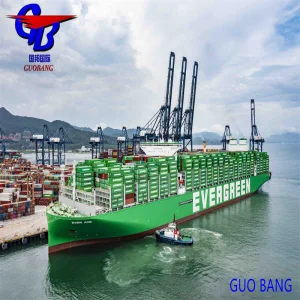
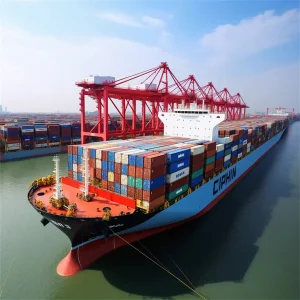
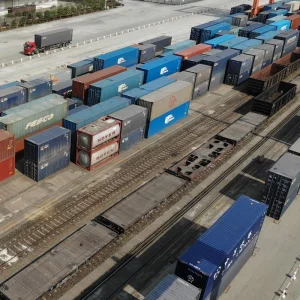
Across North America, the European Union, and rapidly developing markets in Latin America, Asia, and Africa, industrial actors are pivoting toward "Just-in-Time-Plus-Just-in-Case" hybrid inventory architectures. Transitioning from basic third-party logistics (3PL) to complex fourth-party logistics (4PL) setups helps mitigate supply disruption risks. By combining air cargo acceleration, trans-continental rail routes, and ocean consolidation, modern supply chains achieve the structural flexibility needed to weather sudden disruptions.
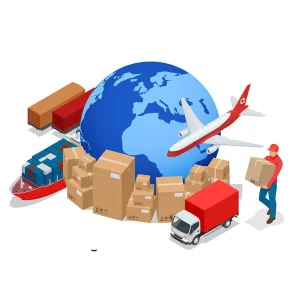
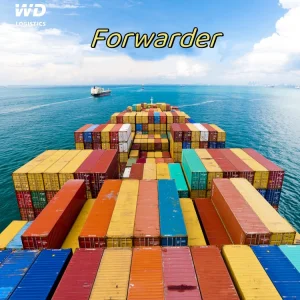
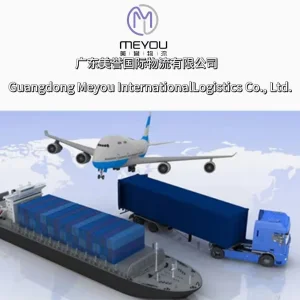
Seamless shifts across maritime corridors, high-velocity air freight pathways, and continental block-train railways to optimize door-to-door transit.
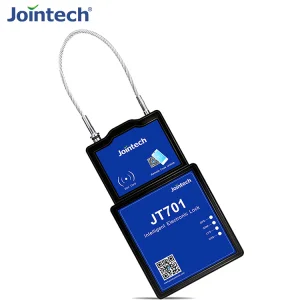
Utilizing state-of-the-art GPS asset locks, geofencing parameters, and IoT sensors to monitor shipping containers every mile of the journey.
Predictive customs clearance algorithms, automated tariff classifications, and bonded warehousing networks designed to bypass port bottlenecks.
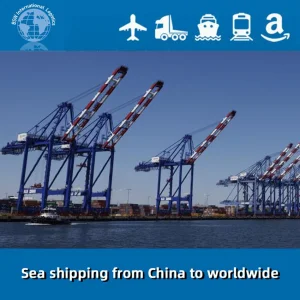
As the world’s manufacturing powerhouse, China has built an unparalleled industrial logistics system. It is not only about low manufacturing costs; rather, it is about the physical proximity of component factories, automated ports, and integrated customs clearance corridors. In regions like the Pearl River Delta (Guangzhou, Shenzhen) and the Yangtze River Delta, the logistics infrastructure behaves like a single, interconnected factory floor. Major ports are fully automated, utilizing intelligent guided vehicles (IGVs) and real-time terminal operating software to process container loads in minutes rather than days.
FSG TransLink harnesses this ecosystem by placing its primary consolidation hub in Guangzhou. Leveraging the surrounding infrastructure, the company offers rapid cross-border consolidation, inter-port trucking, and swift airway bill execution. This enables clients to group multi-vendor orders into a single ocean container or consolidated air shipment, significantly reducing overhead expenses.
By integrating advanced warehouse automation, real-time IoT tracking, and optimized multi-vendor consolidation, we deliver measurable logistical improvements compared to traditional freight forwarding models.
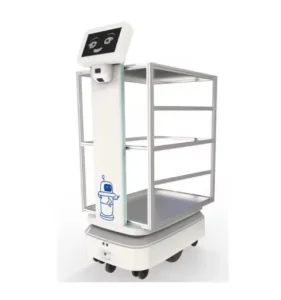
Within congested urban centers, last-mile parcel distribution remains the most expensive and complex step in the supply chain. E-commerce platforms and retail groups deploy driverless delivery robots to reduce carbon emissions and bypass labor shortages. By integrating automated delivery platforms with suburban hubs and micro-fulfillment centers, companies achieve reliable, low-cost deliveries. This setup handles heavy package loads while maintaining constant tracking data.
For fresh produce, pesticides, liquid fertilizers, and crops, high-precision spraying and tracking are critical. Utilizing RTK agricultural drones and multi-functional sprayers allows commercial farmers to treat large-scale fields with pinpoint accuracy. Concurrently, using IoT tracking devices like the Jointech GPS container lock helps logistics coordinators monitor temperature, humidity, and location updates during shipment. This secures the crop-to-market journey.
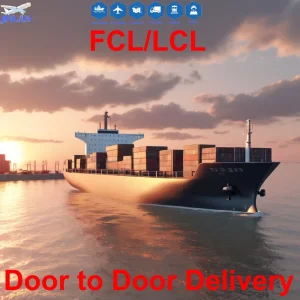
Emerging markets face unique challenges, such as variable port infrastructure, changing tariffs, and complex inland routing. FSG TransLink manages dedicated sea consolidation (LCL) routes to African hubs like Egypt, Kenya, Ghana, and Tanzania, as well as railway networks connecting Samarkand and Tashkent in Uzbekistan. By establishing strong local ties with regional customs authorities and using container locks with GPS asset tracking, we ensure goods move securely from Chinese factories through complex land corridors.
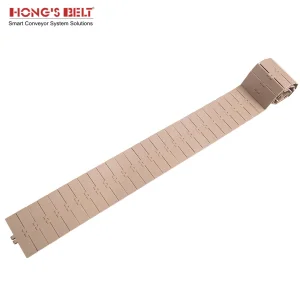
Within manufacturing plants and sorting facilities, physical material handling is critical to overall speed. Installing durable plastic chain conveyor belts, side flexing systems, and industrial warehouse organizers helps reduce operational chaos. By utilizing space efficiently and optimizing sorting lines, businesses speed up order pick-pack cycles. This lays the groundwork for error-free container dispatch.
As logistics evolves, supply chain executives focus on three major trends: **sustainability, digitalization, and localized warehousing**. Major global players are actively replacing fragmented transportation models with centralized, consolidated logistics. This approach minimizes transport milestones, which in turn reduces administrative errors and carbon footprints.
Furthermore, the demand for visibility has changed tracking from a luxury to an industry standard. Logistics providers must now offer granular, sensor-level data. Real-time updates on container seals, geo-location, and customs clearance milestones are essential for maintaining supply chain agility and security. FSG TransLink addresses this need directly by integrating smart telematics into our sea, air, and rail transport solutions.
Clear answers to critical questions about integrated logistics, global delivery routes, and custom trade solutions.
Explore additional specialized logistics routes, materials handling gear, and print solutions that round out our enterprise capabilities.
 FSG Logistics