Explore integrated transportation management hardware components and global freight dispatch solutions.

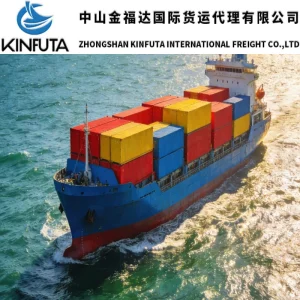

How customized OEM/ODM industrial manufacturing and AI-driven multimodal freight coordination eliminate global supply chain friction.
In the contemporary landscape of global trade, modern enterprise logistics has transcended basic freight movement. Today’s supply chain infrastructure demands a unified synthesis of Industrial Hardware Engineering (conveyance, automated guided vehicles, IoT tracking sensors) and Algorithmic Logistics Management Software. Original Equipment Manufacturers (OEM) and Original Design Manufacturers (ODM) serve as the bedrock of this evolution, engineering specialized hardware and bespoke software architecture tailored to complex enterprise mandates.
As global volatility challenges traditional supply chains, multinational corporations require custom-engineered Transportation Management Solutions (TMS) that deliver granular visibility, reduce total cost of ownership (TCO), and mitigate operational risks across air, sea, rail, and warehouse operations.
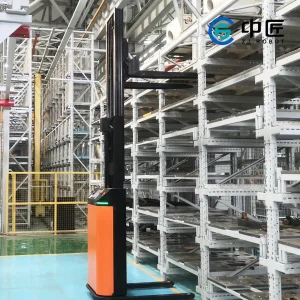
Seamless execution of smart warehouse storage using autonomous AGVs, high-speed roller chains, and precise sensor integration to minimize human intervention and optimize throughput.
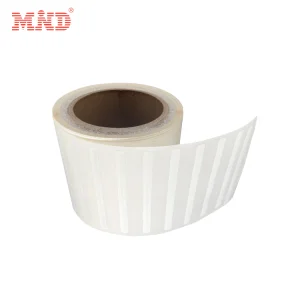
Deploying ultra-high frequency RFID tracking systems (860–960 MHz) and dangerous cargo sensors to ensure strict compliance, inventory accuracy, and dynamic route monitoring.
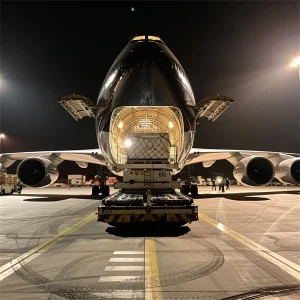
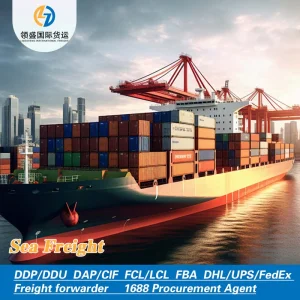
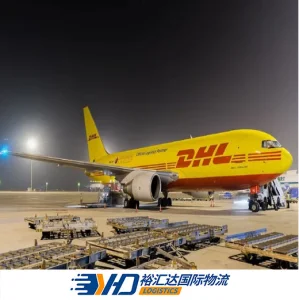
Harmonizing ocean (FCL/LCL), air cargo, and intermodal railway freight networks with localized customs clearance and tax-inclusive DDP/DDU fulfillment engine.
Bridging physical industrial machinery with cloud-native logistics orchestration software.
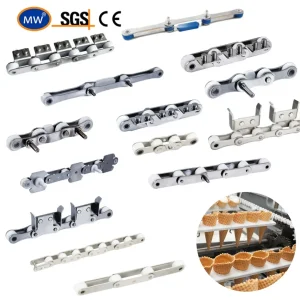
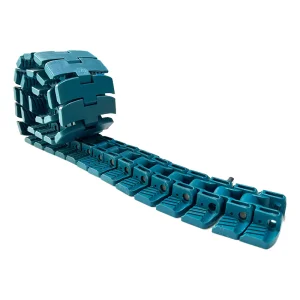
Factory-level transportation infrastructure relies heavily on heavy-duty components tailored to unique production environments. From cold-chain food processing lines to heavy machinery transit, custom manufacturing fulfills exact structural requirements:
Hardware without intelligent software is inert. ODM solutions integrate embedded firmware with enterprise Resource Planning (ERP) and Warehouse Management Systems (WMS):
| Solution Module | Primary Industrial Application | Key OEM/ODM Customization Parameters | Operational Efficiency Impact |
|---|---|---|---|
| Autonomous Material Handling (AGV) | Smart Warehousing & Assembly Lines | Chassis geometry, Payload (500kg-5T), SLAM/Lidar sensors | +45% throughput; -60% manual labor cost |
| RFID UHF Inventory Engine | Logistics Hubs & Library Archives | Antenna gain, 860-960 MHz frequency tuning, scan speed | 99.8% inventory tracking accuracy |
| Cold-Chain Conveyance | Dairy, Ice Cream & Frozen Foods | 304/316 Stainless Steel, extended pin pitch, thermal limits | Zero corrosion; continuous -40°C operation |
| Cross-Border Multimodal Freight | Global E-Commerce (USA, EU, Africa) | DDP/DDU clearance automation, air/sea routing algorithms | 35% lead-time reduction; guaranteed tax compliance |
Unlocking competitive cost structures, supply chain density, and rapid OEM/ODM design cycles.
China's industrial ecosystem offers unmatched advantages for global companies seeking OEM and ODM Transportation Management Solutions. The proximity of tier-1 raw material suppliers, high-precision machining plants, electronic component fabricators, and deep-water ocean ports allows for rapid prototyping, seamless component integration, and unrivaled scalability.
By leveraging advanced automated assembly technologies, strict quality control procedures, and massive operational economies of scale, Chinese manufacturing hubs provide enterprise buyers with robust supply chain resilience against global disruption.
Engineered logistics frameworks addressing specialized operational criteria across global sectors.
Turnkey shipping models tailored for Amazon FBA and localized e-commerce platforms. Provides automated DDP double-clearing, tax handling, ocean freight (FCL/LCL), and direct last-mile delivery to US, European, and African trade gateways such as Lagos, Nigeria.
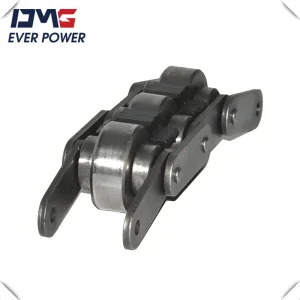
Integrated manufacturing and shipment of specialized structural hardware—such as 1060 heavy-duty magnetic chain plates, steel roller chains, and industrial drive units—ensuring raw factory components arrive aligned with installation timelines.
Strict cold-chain and biological security freighting. OEM solutions incorporate stainless steel freezing conveyors, ethylene oxide sterilization validation, and desktop liquid sensors for high-risk chemical or liquid detection during transit.
Pioneering Next-Gen Transportation Management Paradigms through Artificial Intelligence and Edge Automation.
Future TMS infrastructure will migrate from reactive tracking to predictive dispatching. AI algorithms will continuously analyze weather patterns, port congestion indexes, dynamic fuel surcharges, and customs clearance queues to dynamically reroute cargo real-time, cutting transit delays by up to 30%.
Warehouse environments will rely on interconnected AGV systems governed by edge-computing algorithms. Swarm intelligence will enable automated material handling units to self-allocate workloads based on battery levels, traffic density, and priority packing orders without centralized human oversight.
Immutable ledger technology integrated into RFID tags and tracking units will automate cross-border documentation. Customs clearance for international shipments will execute via automated smart contracts, instantly verifying authenticity, duty payments, and environmental standards compliance.
Sustainability requirements are shifting design criteria toward eco-friendly lubricants, recyclable conveyor synthetics, energy-efficient electric AGVs, and carbon-neutral ocean container routes. OEMs are actively engineering lightweight components to minimize total vehicle energy expenditure.
Key metrics enterprise supply chain directors use when vetting OEM/ODM logistics and hardware partners.
Evaluating raw hardware unit costs alongside long-term maintenance cycles, freight consolidation capabilities, duty mitigation strategies, and wear-resistant component lifecycle costs.
Demanding ISO certification, CE standard compliance, dangerous goods handling credentials, specialized environmental compliance, and complete door-to-door insurance coverage.
Assessing a manufacturer's capacity to adjust mechanical specs, customize electronic telemetry software, and execute rapid turnaround production runs under tight timelines.
Empowering worldwide commerce through advanced multimodal freight execution and scalable supply chain strategy.
Guangzhou FSG Logistics Co., Ltd. is a leading provider of comprehensive global logistics solutions, specializing in express air cargo, ocean freight, and railway logistics services. Founded in 2011 in Guangzhou, China, the company has rapidly grown into a trusted partner for businesses seeking reliable, efficient, and cost-effective supply chain solutions under its flagship brand FSG TransLink.

Starting as a small freight forwarding company, FSG Logistics quickly expanded its capabilities to cover multimodal transportation, including air, sea, and rail, providing flexible and scalable solutions for clients across industries. The company’s services include customs clearance, freight consolidation, inventory management, last-mile delivery, and supply chain consulting, ensuring shipments reach their destinations safely and on time.

FSG TransLink leverages advanced logistics technology, including real-time tracking, route optimization, and warehouse automation, to deliver seamless freight management. The company also specializes in handling temperature-sensitive cargo, hazardous goods, and high-value shipments, providing risk management and freight insurance solutions for complete peace of mind.
Committed to operational excellence, sustainability, and customer satisfaction, Guangzhou FSG Logistics Co., Ltd. continuously innovates to meet the evolving needs of global trade. By combining expertise, technology, and a customer-centric approach, FSG TransLink empowers businesses to expand internationally, optimize supply chains, and achieve reliable, professional, and efficient logistics services worldwide.
Explore specialized industrial equipment, conveyances, and express air/sea cargo solutions.


Expert answers to critical OEM/ODM transportation management and international freight logistics queries.
OEM (Original Equipment Manufacturer) involves manufacturing physical components or building software modules based on exact client-provided specifications (e.g., custom stainless steel conveyances or specific engine oil formulations). ODM (Original Design Manufacturer) involves designing, engineering, and producing comprehensive end-to-end solutions—such as automated AGV storage units or integrated RFID asset management engines—from scratch based on higher-level client operational goals.
DDP shipping simplifies international trade by requiring the logistics partner (such as FSG TransLink) to manage all aspects of export/import customs clearance, port handling, risk insurance, tariffs, and taxes. Enterprise buyers receive direct door-to-door delivery with no unexpected duty invoices or customs clearance bottlenecks.
RFID UHF tags operating between 860-960 MHz allow contactless, batch tracking of items, pallets, and assets over long ranges without requiring line-of-sight visual scanning. This reduces stock auditing time by up to 90%, prevents routing errors, and updates WMS telemetry instantly during freight loading/unloading.
Automated Guided Vehicles (AGVs) eliminate manual fork-lifting bottlenecks, optimize warehouse floor space utilization, and operate continuously without fatigue. Integrated with real-time route management software, AGVs streamline internal transport, ensure damage-free handling of high-value goods, and significantly lower operational risk.
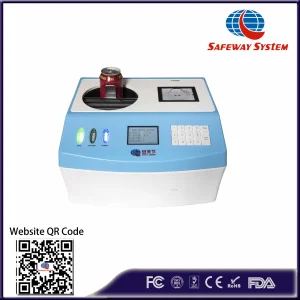
Transporting hazardous, high-value, or liquid components requires specialized dangerous cargo scanning equipment (such as Desktop Dangerous Liquid Explosive Detectors), UN-rated certified packaging, strict temperature control sensors, and regulatory clearance documents. Partnering with certified logistics providers guarantees adherence to international maritime (IMDG) and aviation (IATA) safety codes.
 FSG Logistics