Global energy networks rely on precision-engineered infrastructure, specialized OEM/ODM manufacturing, and flawless logistical executions. From upstream drilling components to downstream distribution assets, shipping heavy industrial components requires deep domain expertise, strict regulatory compliance, and a resilient, multimodal supply chain network.
The logistics of oil and gas shipping demands far more than basic freight forwarding. It is a highly specialized engineering field requiring strict adherence to global safety codes, customs brokerage protocols, and international maritime and aerospace regulations. Organizations seeking to export heavy-lift machinery, custom CNC titanium components, or high-value remote surveillance drones must work with factories and logistics partners that offer deep supply chain integration.
Through customized OEM/ODM frameworks, manufacturers in industrial hubs are now working directly with end-to-end global shipping networks. This alignment guarantees that custom parts—such as valves, drill collars, and pipeline apparatuses—are fabricated to exact technical specifications and dispatched via coordinated air, sea, or rail logistics.
"Information Gain in modern energy logistics is achieved by combining industrial manufacturing precision with multi-jurisdictional compliance, ensuring zero-downtime execution at the point of delivery."
Procurement agents and supply chain directors in the energy sector manage high-risk, capital-intensive investments. Their demands center on three key factors: speed, component accuracy, and end-to-end supply chain transparency.
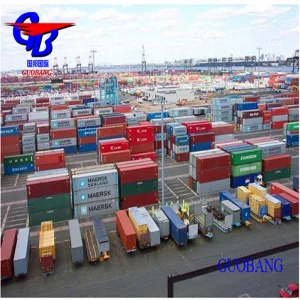
Moving massive drill rigs, high-pressure vessels, and continuous pipeline sections requires custom cargo planning, flat-rack containerization, and dedicated vessel chartering.
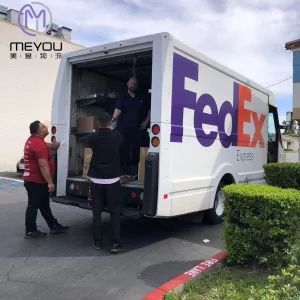
When drilling operations face unexpected equipment failures, replacement components must be routed via express global air corridors to minimize costly operational downtime.
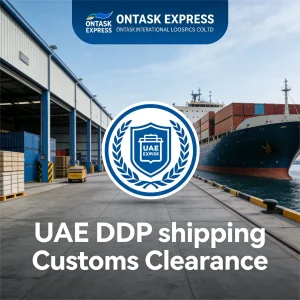
Enterprises require Delivered Duty Paid (DDP) agreements, consolidating freight, import tariffs, customs clearance, and local road transport into a single logistics step.
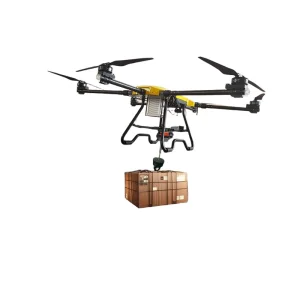
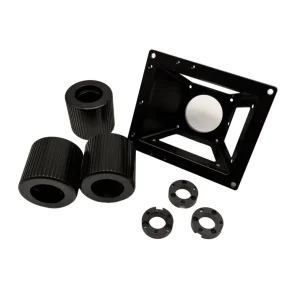
Beyond simple freight shipping, oil and gas engineering demands custom-machined metal alloys. For example, deep-water extraction systems require specialized CNC machining for titanium components. In parallel, inspectoral drones—manufactured using lightweight carbon fiber materials—are increasingly deployed to monitor remote networks. Integrating these specialized manufacturing technologies with dedicated shipping channels is essential to keep global energy projects moving forward.
China’s industrial infrastructure offers unique advantages by combining advanced material manufacturing with massive logistics hubs in Guangzhou, Shenzhen, Shanghai, and Ningbo.
The direct connection between precision manufacturers and logistics providers simplifies the entire supply chain. In regions like the Pearl River Delta, custom CNC machining, titanium alloy production, and aerospace component assembly happen alongside deepwater shipping networks.
This proximity allows factories to scale up production and adjust rapidly to changing demands. When an oil exploration project in South America or Europe needs specialized components, designs go straight to production. Completed parts are then packed, cleared through customs, and shipped globally with minimal delays.
Furthermore, China's extensive multimodal networks—including the Belt and Road railway systems and major deep-sea container terminals—provide a wide range of routing options. This logistics network helps businesses balance transport speed against overall shipping costs.
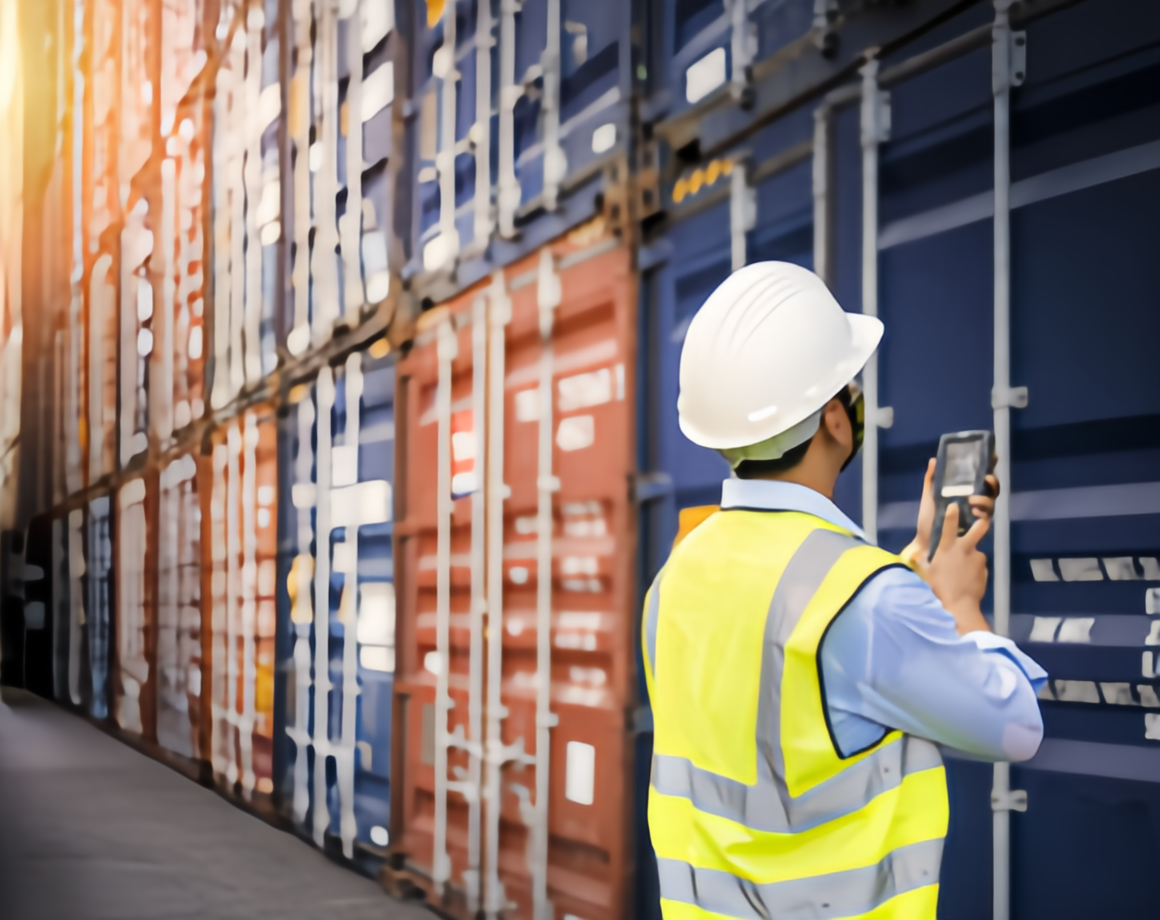
Cross-border logistics in the energy sector depends on strict compliance. Missing documentation, incorrect customs classifications, or improper handling of hazardous goods can stall projects and lead to significant financial penalties.
Oil and gas shipments often include hazardous chemical compounds, pressurized systems, and heavy lithium-ion batteries. Compliance with the International Maritime Dangerous Goods (IMDG) code and IATA dangerous goods regulations is mandatory. Professional logistics providers ensure cargo is correctly classified, labeled, packed, and secured for long-haul transport.
Customs clearance varies widely by country. For instance, shipping to major South American ports like Santos, Brazil, requires detailed import licenses and exact HS codes to avoid administrative delays. Having a local customs broker is essential to navigate local tax regulations, manage documentation, and secure quick port releases.
Modern supply chains are adopting digital platforms to improve security, coordinate routes, and provide end-to-end visibility.
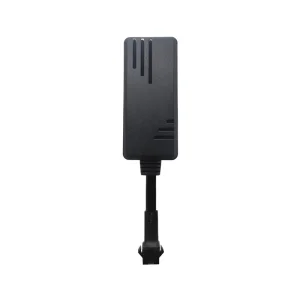
Using advanced trackers with protocols like GT06, cargo location, ambient temperature, and transport vibration can be monitored in real time from dispatch to delivery.
Algorithms compute variables like port congestion, ocean weather conditions, and inland road restrictions to identify the safest, most efficient delivery paths.
Automated inventory tracking, smart sorting, and computerized heavy cargo balancing ensure that materials are handled safely and loaded correctly.
The adoption of carbon fiber construction drones represents a significant shift in infrastructure inspection. These heavy-duty UAVs are transported directly to pipeline routes, refineries, and offshore platforms. Their safe delivery depends on specialized shipping cases, battery-compliant shipping arrangements, and secure logistics channels to protect these highly sensitive electronic assets.
Examining real-world shipping configurations illustrates how complex industrial requirements are met with targeted logistics solutions.
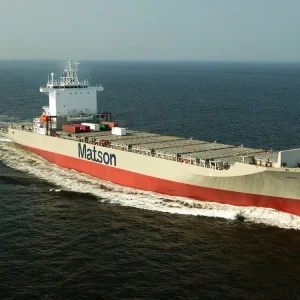
Shipping heavy machinery to Canadian resource sites requires careful route planning. Logistical operations must account for seasonal road bans, axle load limits, and local customs regulations. By using a door-to-door, tax-included DDP sea freight model, companies can manage local clearance and final-mile deliveries through a single point of contact, avoiding border delays.
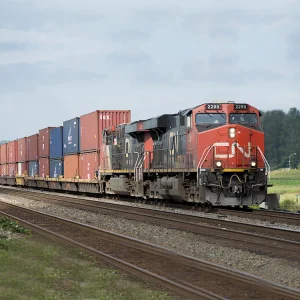
For overland trade lanes to destinations like Finland, Norway, and Sweden, railway shipping offers a reliable and cost-effective alternative. Using standard container configurations (FCL) or consolidated shipments (LCL), freight travels along rail corridors to transit hubs in Poland and Germany before final delivery to Northern European industrial centers.
Transporting dangerous goods to the US requires compliance with international marine treaties and US Department of Transportation (DOT) guidelines. This process involves using certified containment vessels, proper hazardous material marking, and filing declarations at ports like Houston, New York, or Los Angeles well before the vessel arrives.

Guangzhou FSG Logistics Co., Ltd. is a leading provider of comprehensive global logistics solutions, specializing in express air cargo, ocean freight, and railway logistics services. Founded in 2011 in Guangzhou, China, the company has rapidly grown into a trusted partner for businesses seeking reliable, efficient, and cost-effective supply chain solutions under its flagship brand FSG TransLink.
Starting as a small freight forwarding company, FSG Logistics quickly expanded its capabilities to cover multimodal transportation, including air, sea, and rail, providing flexible and scalable solutions for clients across industries. The company’s services include customs clearance, freight consolidation, inventory management, last-mile delivery, and supply chain consulting, ensuring shipments reach their destinations safely and on time.
FSG TransLink leverages advanced logistics technology, including real-time tracking, route optimization, and warehouse automation, to deliver seamless freight management. The company also specializes in handling temperature-sensitive cargo, hazardous goods, and high-value shipments, providing risk management and freight insurance solutions for complete peace of mind.
Committed to operational excellence, sustainability, and customer satisfaction, Guangzhou FSG Logistics Co., Ltd. continuously innovates to meet the evolving needs of global trade. By combining expertise, technology, and a customer-centric approach, FSG TransLink empowers businesses to expand internationally, optimize supply chains, and achieve reliable, professional, and efficient logistics services worldwide.
Practical answers to common logistical questions, assisting procurement teams and project managers.
 FSG Logistics