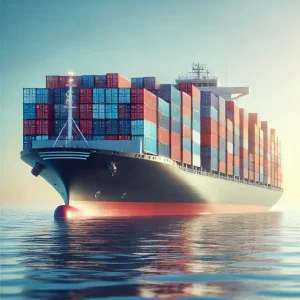
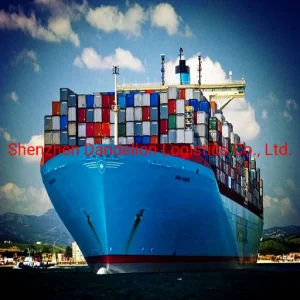
Streamlining cross-border trade with end-to-end transportation services, precision handling, and optimized port operations.
A Comprehensive Analysis of Industrial Logistics, Trade Compliance, and Multimodal Transport Corridors.
In an era defined by global trade polarization, fragmented manufacturing lines, and rapid shifts in localized consumer demand, logistics is no longer merely a transactional execution of shipping goods. It has evolved into a key pillar of corporate strategy and enterprise resilience. Historically, "freight forwarding" meant acting as an intermediary coordinating custom brokers and ocean carriers. Today, the demands of heavy industries, healthcare manufacturers, and global consumer brands have forced top-tier logistic partners to evolve. We now see the rise of integrated logistics systems—what can functionally be described as "Logistics Factories." These players build physical hubs, design customized tech pipelines, and run complex consolidation networks to act as structural anchors in global trade.
By bridging regional manufacturing plants with high-density consumer markets, these systems tackle structural challenges: fluctuating freight rates, port congestion, shifting tariffs, and complex customs audits. Industry data shows that manufacturers with end-to-end visibility and dynamic routing capabilities can lower cargo dwell times by 32% and cut transportation spend by up to 18%. This shift is driving demand for comprehensive logistics operators who can manage the entire journey, from raw material supply to final doorstep delivery.
Guangzhou FSG Logistics Co., Ltd. is a leading provider of comprehensive global logistics solutions, specializing in express air cargo, ocean freight, and railway logistics services. Founded in 2011 in Guangzhou, China, the company has rapidly grown into a trusted partner for businesses seeking reliable, efficient, and cost-effective supply chain solutions under its flagship brand FSG TransLink.
Starting as a small freight forwarding company, FSG Logistics quickly expanded its capabilities to cover multimodal transportation, including air, sea, and rail, providing flexible and scalable solutions for clients across industries. The company's services include customs clearance, freight consolidation, inventory management, last-mile delivery, and supply chain consulting, ensuring shipments reach their destinations safely and on time.
FSG TransLink leverages advanced logistics technology, including real-time tracking, route optimization, and warehouse automation, to deliver seamless freight management. The company also specializes in handling temperature-sensitive cargo, hazardous goods, and high-value shipments, providing risk management and freight insurance solutions for complete peace of mind.
Committed to operational excellence, sustainability, and customer satisfaction, Guangzhou FSG Logistics Co., Ltd. continuously innovates to meet the evolving needs of global trade. By combining expertise, technology, and a customer-centric approach, FSG TransLink empowers businesses to expand internationally, optimize supply chains, and achieve reliable, professional, and efficient logistics services worldwide.
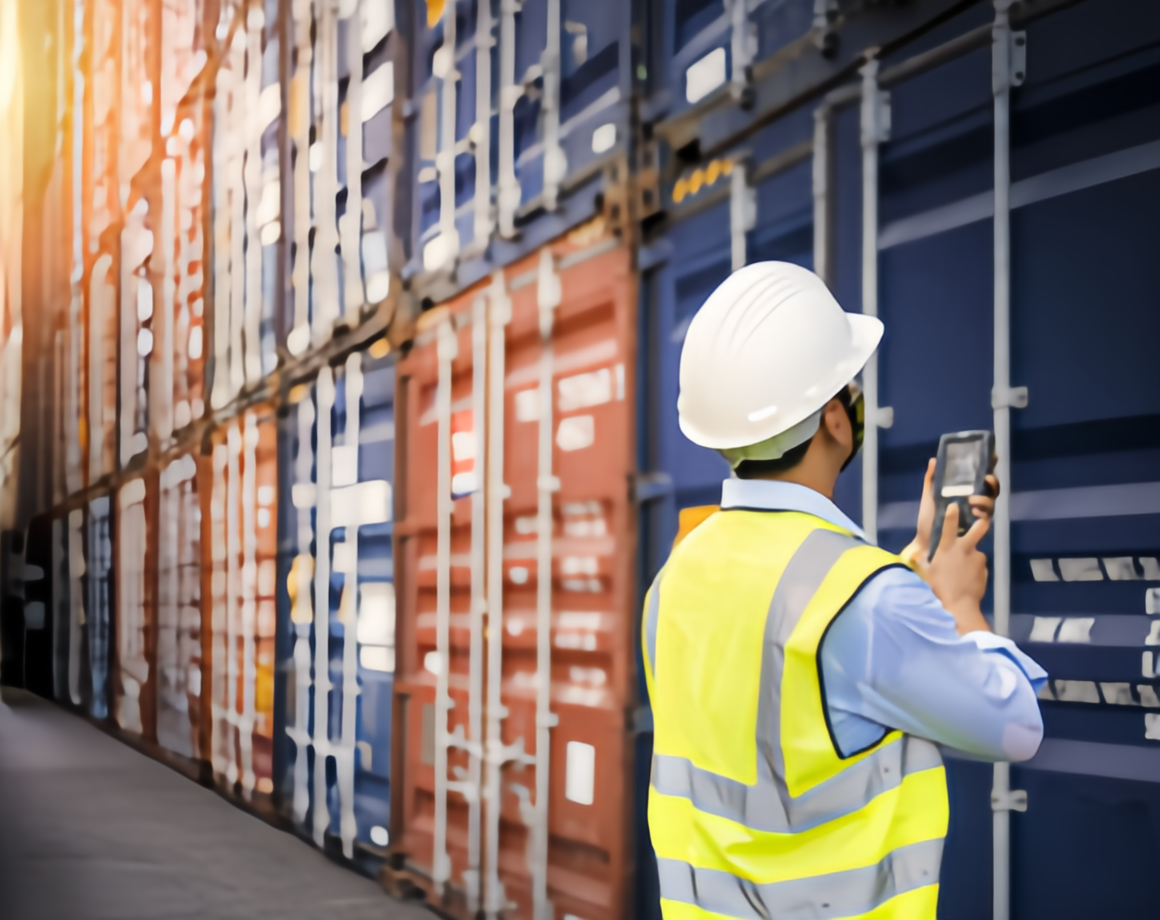

Industrial logistics requires a tailored approach. Different verticals face distinct supply chain challenges, requiring customized solutions designed for their specific operations:
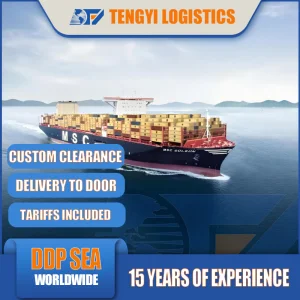
The shift from traditional port-to-port shipping to door-to-door delivery has changed the way businesses manage international trade. Understanding how to use DDP (Delivered Duty Paid) and DDU (Delivered Duty Unpaid) terms is key to controlling costs and improving the buyer experience.
For transpacific trade to North America (such as shipping to Charleston, USA, or importing via Canadian rail networks), using DDP terms lets sellers manage the entire logistics process. This includes handling foreign customs clearance, paying import duties, and managing final delivery. It protects overseas buyers from unexpected costs and complex local customs regulations.
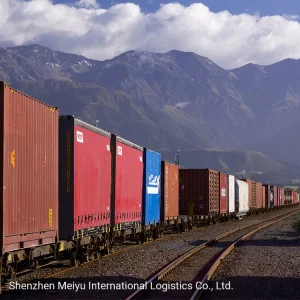
Between Asia and Europe, the China-Europe Railway Express has become a reliable, middle-ground option. It is faster than ocean shipping and more cost-effective than air freight. Door-to-door rail service offers a steady transit schedule (typically 15 to 22 days) that is less affected by ocean weather or port congestion. This makes it an ideal option for high-value industrial goods and seasonal consumer products.
Implementing digital logistics infrastructure to secure supply chains, increase tracking visibility, and optimize operations.
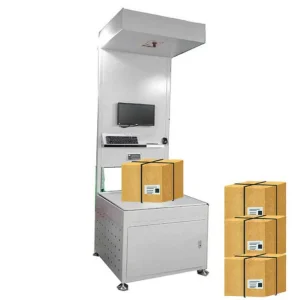
Deploying automated Dimensioning, Weighing, and Scanning (DWS) hardware at consolidation hubs to ensure precise shipment measurements, lower freight bill errors, and maximize container space.
Using predictive machine learning models to track weather, port wait times, and blank sailings. This allows us to reroute shipments in real time and avoid transit bottlenecks.
Promoting sustainable logistics by optimizing cargo loads, using low-emission rail corridors, and shifting toward energy-efficient warehousing and eco-friendly modular structures.
Answers to common questions about international freight forwarding, customs clearance, and global trade compliance.
End-to-end transportation networks, rail import services, and custom consolidation solutions connecting global industrial hubs.
 FSG Logistics