Explore our elite catalog of verified distribution routes, integrated supply chain components, and custom packaging support engineered to optimize cross-border logistics efficiency.
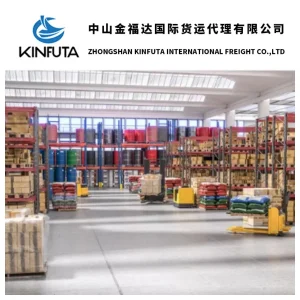
Modern global commerce depends heavily on the performance and flexibility of wholesale distribution networks. Today's commercial markets are moving away from traditional, fragmented transport systems toward fully integrated, end-to-end supply chain orchestration. Procurement managers demand transparency, customs compliance, and cost-containment across international trade lanes.
China remains the anchor of global supply chain efficiency. By offering unparalleled vertical integration, state-of-the-art manufacturing hubs, and highly advanced port infrastructure, China's wholesale distribution services serve as a vital conduit for businesses seeking competitive pricing, high-quality production, and timely delivery.
The manufacturing capabilities of Chinese factories extend beyond high-volume output; their true value lies in the agility of their local ecosystems. In industrial clusters throughout regions like Guangdong and Zhejiang, component manufacturing, raw material processing, testing laboratories, and transport services operate in close proximity. This setup minimizes waste and provides a strong buffer against global macro-economic shifts.
Furthermore, the digitalization of manufacturing—incorporating IoT-enabled production lines, automated storage systems, and real-time inventory management—ensures that bulk production meets international standards. Companies that leverage China’s wholesale distribution services gain access to a highly responsive production ecosystem that adjusts quickly to changing demand cycles.
Localizing every stage of production—from raw materials to final packaging—helps reduce lead times and protects supply chains from external logistics shocks.
Factories employ modern testing frameworks and quality verification systems to meet strict global certification criteria, ensuring consistency across large production runs.
From sustainable zipper storage options to customized retail branding materials, factories design functional configurations tailored to target markets.
Guangzhou FSG Logistics Co., Ltd. is a leading provider of comprehensive global logistics solutions, specializing in express air cargo, ocean freight, and railway logistics services. Founded in 2011 in Guangzhou, China, the company has rapidly grown into a trusted partner for businesses seeking reliable, efficient, and cost-effective supply chain solutions under its flagship brand FSG TransLink.
Starting as a small freight forwarding company, FSG Logistics quickly expanded its capabilities to cover multimodal transportation, including air, sea, and rail, providing flexible and scalable solutions for clients across industries. The company's services include customs clearance, freight consolidation, inventory management, last-mile delivery, and supply chain consulting, ensuring shipments reach their destinations safely and on time.
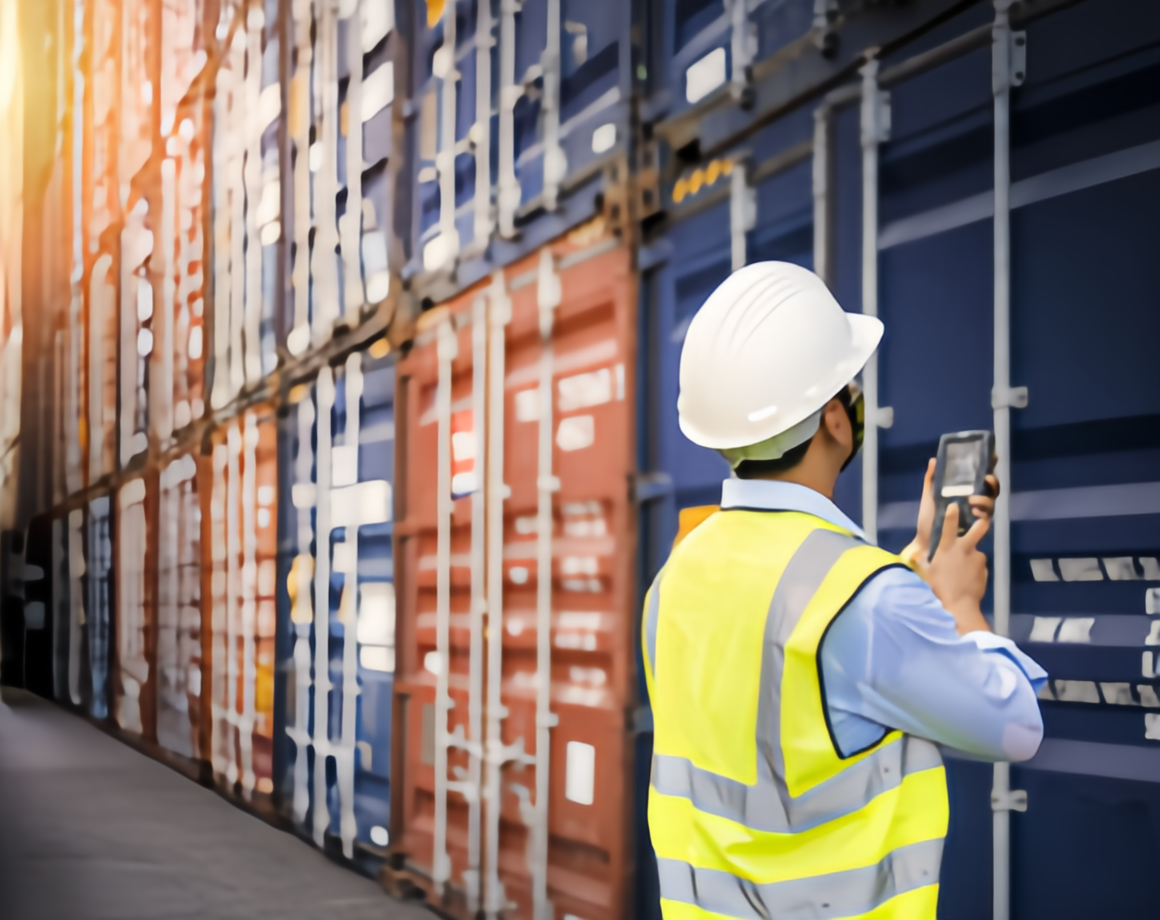
FSG TransLink leverages advanced logistics technology, including real-time tracking, route optimization, and warehouse automation, to deliver seamless freight management. The company also specializes in handling temperature-sensitive cargo, hazardous goods, and high-value shipments, providing risk management and freight insurance solutions for complete peace of mind.
Committed to operational excellence, sustainability, and customer satisfaction, Guangzhou FSG Logistics Co., Ltd. continuously innovates to meet the evolving needs of global trade. By combining expertise, technology, and a customer-centric approach, FSG TransLink empowers businesses to expand internationally, optimize supply chains, and achieve reliable, professional, and efficient logistics services worldwide.

Logistics management is evolving from reactive coordination to proactive planning. Modern global supply chains use predictive data modeling, real-time cargo monitoring, and automation to build transparency and predictability.
Using IoT-enabled GPS hardware to monitor location, shock levels, and transit conditions 24/7.
Automated scanning systems match pallet markings to digital records, minimizing loading errors at departure hubs.
Electronic documentation filing speeds up customs clearance for air, rail, and sea shipments.
Advanced routing algorithms select transit combinations based on weather data and port congestion metrics.
Logistics solutions must adapt to local regulations, regional geography, and specific destination networks. Here is how specialized freight models support different markets:
Example: China to Chile (Shenzhen to Valparaiso)
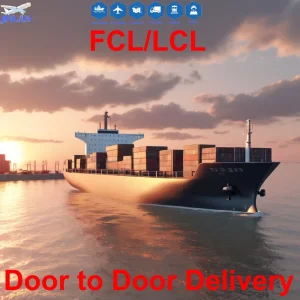
Pacific maritime corridors require structured FCL strategies to balance seasonal variations. Direct sea routes connect Southern China's manufacturing clusters to key economic hubs along South America's West Coast.
Example: UAE, Dubai & Qatar End-to-End
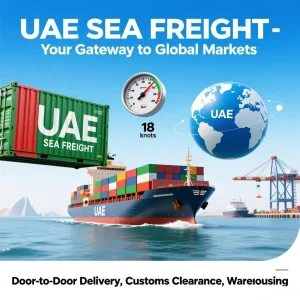
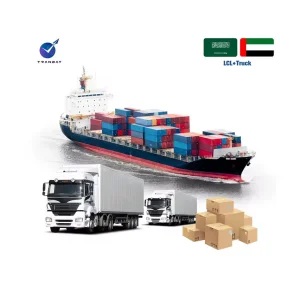
Navigating Middle Eastern logistics requires clear customs procedures and reliable local delivery. Integrated sea-to-door or direct air freight DDP options bypass warehousing bottlenecks to ensure fast delivery directly to customers.
Example: Germany, France, Belgium & Netherlands
For destinations like Antwerp or Rotterdam, LCL consolidation merges smaller shipments into unified containers. Coupled with rail link options, this provides a cost-effective alternative to standard air freight.
Cross-border wholesale distribution requires strict compliance and risk mitigation. Operational security relies on two primary pillars:
Unforeseen transit events, port delays, and weather incidents can disrupt cash flow. Complete cargo insurance provides financial protection from factory loading docks to the recipient's warehouse, covering loss, damage, or theft.
Navigating import duties, tariff classifications, and local environmental standards can be complex. Working with professional shipping agents simplifies customs management, preventing costly transit delays and compliance penalties.
Special types of goods—including sensitive electronics, hazardous materials, and temperature-controlled items—require precise temperature settings, secure positioning, and specialized packaging to maintain product integrity.
DDP (Delivered Duty Paid) means the seller handles all transport costs, customs clearance, import duties, and taxes, delivering the goods directly to the buyer's destination. DDU (Delivered Duty Unpaid) means the seller delivers the cargo to the destination country, but the buyer is responsible for customs clearance and paying all local import duties and taxes upon arrival.
LCL (Less than Container Load) consolidation groups cargo from multiple buyers into one container. This allows businesses with smaller shipment volumes to share container space, lowering transport costs while maintaining regular delivery schedules.
Cargo insurance protects against financial losses from physical damage, theft, or cargo loss during transport. It covers costs if accidents occur on sea, land, or air transit routes.
FSG TransLink uses integrated GPS trackers, automated tracking APIs, and sensor technologies to monitor cargo location, temperature changes, and route progress in real time.
Rail import services offer a middle option: they are faster than sea freight and more cost-effective than air freight. Rail transport is often used for transcontinental shipments between China and Northern Europe.
Review our additional distribution services, freight routes, and industrial solutions designed to support your global operations.
 FSG Logistics