Engineered solutions managing cross-border transactions, fiscal representation, and risk-mitigated entry vectors into Latvia and Northern Europe.
Structured clearance paths for bulk imports entering the Baltic zone via Riga and Liepaja.
Strategic bonded storage, deconsolidation, and customs declaration under unified operations.
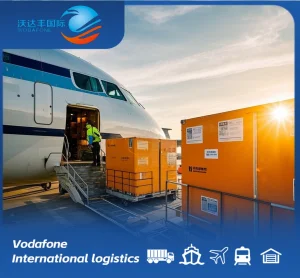
Strategic transport routes across Finland and the Baltics resolving complex customs profiles.
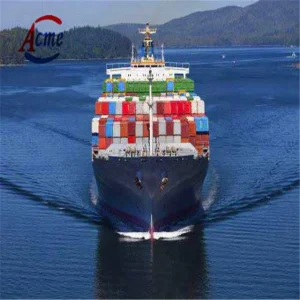
Full representation, commodity classification (HS codes), and fiscal management for EU importers.
Serving as a vital geopolitical junction, Latvia operates as a logistics and distribution nexus for the Baltic states (Estonia, Latvia, and Lithuania) and a primary gateway to the wider European Union (EU) marketplace. Its ice-free seaports—the Port of Riga, the Port of Ventspils, and the Port of Liepaja—connect marine cargo lines with extensive rail and road infrastructure stretching deep into Central Asia and Western Europe. This strategic position demands a highly specialized, comprehensive compliance approach from exporters wishing to tap into Baltic commercial opportunities.
Conducting business inside Latvia means operating within the jurisdiction of the EU Union Customs Code (UCC). For external exporters, this requires navigating unified tariff regulations, managing Import Control System 2 (ICS2) filing deadlines, and ensuring absolute documentation accuracy. When importing goods, the Latvian State Revenue Service (Valsts ieņēmumu dienests - VID) acts as the enforcing body, verifying commodity classifications, origin status, and environmental compliance frameworks such as the Carbon Border Adjustment Mechanism (CBAM).
For smooth cargo movement through Latvia, exporters must work with the Electronic Customs Data Processing System (EMDAS). EMDAS manages automated declarations, controls imports, and streamlines security reviews. Navigating this electronic system requires localized customs expertise to ensure that electronic filings align perfectly with the cargo manifest.
Additionally, international shippers often employ Fiscal Representation. Under Article 211 of the EU VAT directive, fiscal representation allows foreign companies importing goods via Latvia to defer VAT payments. This deferment boosts cash flow by avoiding upfront VAT charges at the point of entry. To qualify, exporters must secure reliable logistics and customs partners to act as their fiscal agent, ensuring full compliance with local Latvian tax rules.
Global supply chains are reshaping due to geopolitical shifts, trade policy changes, and green logistics mandates. Latvia is adapting by digitizing its logistics networks. Rail Baltica, a major European infrastructure project, will integrate the Baltic states into the European rail system. This will improve cargo flow and provide green transport options for companies importing goods into the EU.
At the same time, customs procedures are becoming more digital. Green lanes, Authorized Economic Operator (AEO) partnerships, and automated risk scoring are replacing traditional paper processes. Exporters who use digital documentation workflows will benefit from faster transit times, fewer manual inspections, and lower storage costs at port and airport terminals.
Global execution, technical capabilities, and compliance expertise under the FSG TransLink brand.
Guangzhou FSG Logistics Co., Ltd. is a leading provider of comprehensive global logistics solutions, specializing in express air cargo, ocean freight, and railway logistics services. Founded in 2011 in Guangzhou, China, the company has rapidly grown into a trusted partner for businesses seeking reliable, efficient, and cost-effective supply chain solutions under its flagship brand FSG TransLink.


Starting as a small freight forwarding company, FSG Logistics quickly expanded its capabilities to cover multimodal transportation, including air, sea, and rail, providing flexible and scalable solutions for clients across industries. The company’s services include customs clearance, freight consolidation, inventory management, last-mile delivery, and supply chain consulting, ensuring shipments reach their destinations safely and on time.
FSG TransLink leverages advanced logistics technology, including real-time tracking, route optimization, and warehouse automation, to deliver seamless freight management. The company also specializes in handling temperature-sensitive cargo, hazardous goods, and high-value shipments, providing risk management and freight insurance solutions for complete peace of mind.
Committed to operational excellence, sustainability, and customer satisfaction, Guangzhou FSG Logistics Co., Ltd. continuously innovates to meet the evolving needs of global trade. By combining expertise, technology, and a customer-centric approach, FSG TransLink empowers businesses to expand internationally, optimize supply chains, and achieve reliable, professional, and efficient logistics services worldwide.
Managing modern customs clearance involves digital integration across multiple platforms. Exporters must align their ERP systems with logistics and customs networks to share data quickly. This approach helps prevent processing delays and documentation errors at the border.
By connecting ERP systems directly to Latvian customs tools, exporters can transfer billing data, packing lists, and transport documents instantly. This automation supports quick HS code lookup, computes tariffs, and flags compliance risks before the cargo arrives at the border.
For sensitive cargo, tracking transport conditions is critical. Active sensors provide temperature, humidity, and location updates, helping shippers track their goods throughout the journey. This data can also serve as proof of transit status for customs inspections.
AI helps classify goods by processing detailed item descriptions and matching them with correct HS codes. This tool minimizes manual classification errors and ensures compliance with updated European trade guidelines.
Mitigating "secondary customs clearance risks" is a major challenge for exporters. In EU shipping, a secondary risk occurs when goods cleared at one port of entry are stopped or re-audited in a destination country due to incomplete documentation or incorrect customs codes. FSG TransLink helps minimize these disruptions with structured compliance steps:
Seamless logistics corridors connecting Asia, the Americas, and Europe with robust, compliant entry into Latvia.
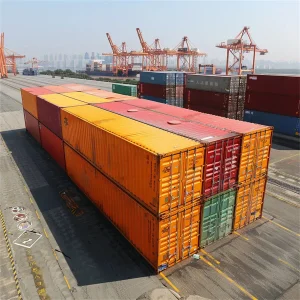
Global FBA execution supporting US-EU cross-border freight movements.
Cross-border transit setups within Baltic states minimizing regulatory delays.
Complex shipping solutions engineered for Southern European distribution.
Regular schedules connecting Baltic logistics gateways to French logistics hubs.
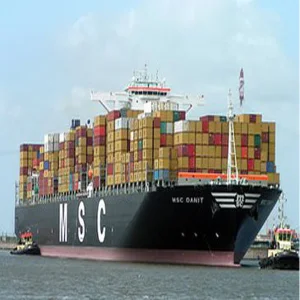
Intercontinental compliance solutions for South American shipping routes.
Multimodal transportation options connecting Shenzhen with global markets.

Specialized compliance workflows for chemical and liquid shipments.
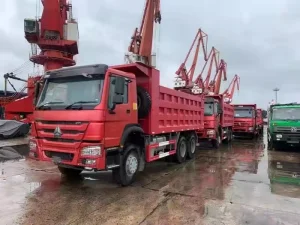
Complete export customs procedures at major industrial ports in China.
Flexible door-to-door delivery options for both B2B and e-commerce cargo.
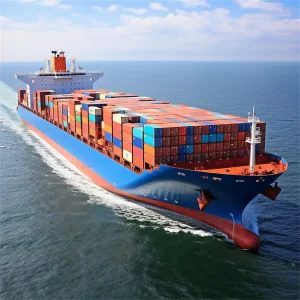
Comprehensive ocean freight management from pickup to final delivery.
High-capacity full container transport serving European sea ports.
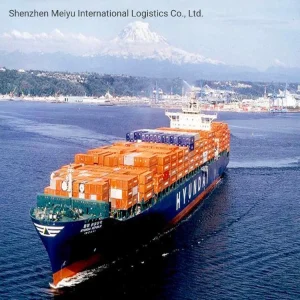
Fully integrated sea transport with import clearance and duty payments included.
Expert analysis addressing complex operational issues when importing and exporting through Latvia.
 FSG Logistics