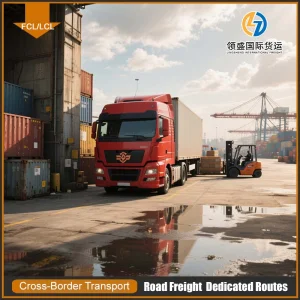
High-value industrial components, retail cargo, and structural project machinery routed securely from manufacturing facilities directly to key West African destinations. Ensure zero-liability shipments today.

Guangzhou FSG Logistics Co., Ltd. is a leading provider of comprehensive global logistics solutions, specializing in express air cargo, ocean freight, and railway logistics services. Founded in 2011 in Guangzhou, China, the company has rapidly grown into a trusted partner for businesses seeking reliable, efficient, and cost-effective supply chain solutions under its flagship brand FSG TransLink.
Starting as a small freight forwarding company, FSG Logistics quickly expanded its capabilities to cover multimodal transportation, including air, sea, and rail, providing flexible and scalable solutions for clients across industries. The company’s services include customs clearance, freight consolidation, inventory management, last-mile delivery, and supply chain consulting, ensuring shipments reach their destinations safely and on time.


FSG TransLink leverages advanced logistics technology, including real-time tracking, route optimization, and warehouse automation, to deliver seamless freight management. The company also specializes in handling temperature-sensitive cargo, hazardous goods, and high-value shipments, providing risk management and freight insurance solutions for complete peace of mind.
Committed to operational excellence, sustainability, and customer satisfaction, Guangzhou FSG Logistics Co., Ltd. continuously innovates to meet the evolving needs of global trade. By combining expertise, technology, and a customer-centric approach, FSG TransLink empowers businesses to expand internationally, optimize supply chains, and achieve reliable, professional, and efficient logistics services worldwide.
Mali, a vast landlocked country in the heart of West Africa, presents unique logistial challenges that demand sophisticated risk management strategies. Deprived of direct ocean access, Malian trade is fundamentally reliant on transit corridors extending from deepwater ports in neighboring states. Key entry points include the Port of Dakar (Senegal), the Port of Abidjan (Côte d'Ivoire), the Port of Conakry (Guinea), and the Port of Tema (Ghana).
Mali's economic engine is driven heavily by gold mining, agriculture (specifically cotton production), and nascent infrastructure projects. Massive machinery imports, solar array frameworks, and processing systems are continuously hauled across unstable overland corridors from coastal gateways to destinations like Bamako, Kayes, and Sikasso.
Inter-state roads in West Africa are notorious for rough terrains, seasonal flooding, administrative bottlenecks, customs delays, and security instabilities. Without robust cargo insurance and professional risk management, importers face severe financial risks from structural damages, theft, and prolonged demurrage fees.
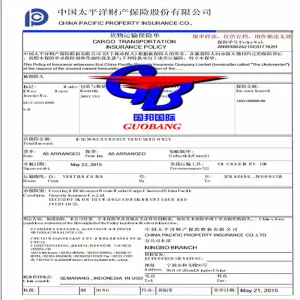
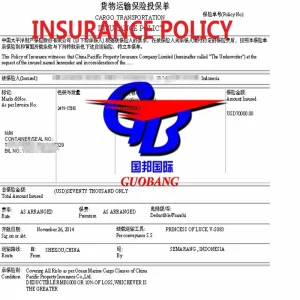
FSG TransLink structures end-to-end logistics solutions featuring multi-layered insurance structures. Our policies incorporate Institute Cargo Clauses (A), protecting against all risks of physical loss or damage, tailored specifically for the overland transit corridors connecting Bamako to the global supply chain.
Understanding which shipping corridor to choose from coastal West Africa to Mali is key to operational risk management. Each pathway presents different speed, cost, and hazard ratings:
Historically the primary route for Malian imports. Stretching approximately 1,200 km, it relies on both road transport and the Dakar-Niger railway network. While highly organized, it frequently encounters bottlenecks at the Kidira border crossing and delays in rail wagon availability. Our risk strategy here prioritizes demurrage control and security seals to counter minor pilferage during stationary periods.
At roughly 1,100 km, this corridor features high-quality paved roads, making it a faster alternative for heavy mining gear and structural machinery. However, the presence of numerous internal police and customs checkpoints can inflate transit duration. FSG TransLink manages this risk via customs bond coverage and pre-cleared documentation structures to minimize dwell times.
At approximately 850 km, this is the shortest geographical route to Bamako. However, it scales difficult, mountainous terrain in Guinea that becomes highly problematic during the summer rainy season (July to September). For clients routing cargo through Conakry, we mandate rigid packing specifications and select carriers equipped with air-ride suspensions to protect delicate electrical components.
Spanning up to 2,000 km, this corridor crosses multiple borders (Togo/Ghana into Burkina Faso, and then into Mali). Despite the distance, it serves as a critical alternative during political disruptions. Risk mitigation along this multi-border route requires dynamic GPS tracking and transit country liability policies to secure the cargo continuously across legal jurisdictions.
Modern global logistics is no longer just about moving physical boxes; it is a game of digital precision and data visibility. At FSG TransLink, our cargo risk management framework is enhanced by China's Industry 4.0 manufacturing and supply chain infrastructure.
We install smart environmental and impact sensors inside containers before they depart Chinese ports. These sensors log real-time internal temperature, humidity, and physical shock anomalies along the rough inland roads to Bamako, providing immediate verification for insurance claims if damages occur.
Our logistics command centers leverage real-time traffic, weather, and security intelligence to advise truck drivers on transit corridors. By actively avoiding high-hazard choke points, we prevent cargo damage and delays before they occur, preserving project timelines for Malian operations.
By digitizing export certifications, commercial invoices, and marine insurance certificates, we accelerate the customs clearance process at entry ports in Senegal, Côte d'Ivoire, and Guinea. This significantly reduces customs inspection delays and potential damage during physical inspections.
Every industry faces specific threats during the journey from global factories to Malian sites. We design distinct insurance and logistics solutions for these target operations:
Sector: Gold Mining in Kayes & Sikasso
Risks: Structural overload, rollover on unpaved bypasses, and moisture rust from coastal transshipment.
Mitigation: Custom heavy-lift plans, marine open cover policies, and direct delivery monitoring.
Sector: Renewable Energy Projects
Risks: Micro-fractures in photovoltaic cells due to severe road vibrations; theft of high-value copper wiring.
Mitigation: Shock-absorbent palletization, GPS cargo tracking, and 100% replacement value coverage.
Sector: Cotton & Food Export Chains
Risks: Mold infestation, moisture spoilage, and delayed ocean connections at West African ports.
Mitigation: Dry-bag container liners, temperature tracking, and delayed-delivery insurance clauses.
Explore our broader logistics capabilities. These specialized shipping and insurance channels can be configured to integrate directly into your West African trade pathways.
As international supply chains face dynamic shifts, manufacturers must adapt their risk management tools. Understanding global shifts is key to choosing appropriate freight insurance:
Many international buyers are moving away from FOB (Free On Board) and Ex-Works (EXW) terms when shipping to complex landlocked markets like Mali. Under CIP (Carriage and Insurance Paid to) and CIF (Cost, Insurance and Freight) arrangements, the manufacturer takes responsibility for securing adequate transit insurance. This shift ensures the shipper secures coverage with specialized, global marine cargo underwriters rather than relying on localized, variable policies.
Given the shifting security dynamics in the Sahel region, basic marine transit insurance is no longer sufficient. Leading logistics firms now advise including Institute War Clauses (Cargo) and Institute Strikes Clauses (Cargo). These specialized additions extend coverage to damage caused by political unrest, civil disturbances, and sudden strike actions at transit ports or along overland borders.
Everything you need to know about setting up comprehensive freight forwarding insurance and risk management for shipments bound for Mali.
Don't leave your high-value manufacturing or infrastructure shipments vulnerable to transit risks. Contact FSG TransLink to implement specialized insurance and logistical strategies tailored for West Africa.
 FSG Logistics