Featured hardware, heavy-duty smart storage, and autonomous last-mile delivery robotics engineered for urban and industrial deployment in Santiago de los Caballeros.
Analyzing the Strategic Role of Santiago de los Caballeros in Caribbean Freight Corridors
As the economic epicenter of the Cibao Valley and the second-largest urban economy in the Dominican Republic, Santiago de los Caballeros represents a vital crossroads for domestic retail distribution, manufacturing logistics, and cross-border e-commerce fulfillment. Driven by massive industrial outputs within the Parque Industrial Víctor Espaillat Mera (PIVEM) and adjacent Free Trade Zones (Zonas Francas), the municipality demands an unprecedented level of supply chain agility. Last-mile delivery has transformed from a simple operational tail into the primary strategic differentiator for global brands, domestic distributors, and OEMs operating within the Caribbean region.
Modern enterprise logistics in Santiago face complex geographical and infrastructure challenges: dense urban arterial traffic around Avenida Estrella Sadhalá and Calle del Sol, micro-climatic humidity affecting sensitive electronic and pharmaceutical shipments, and traditional fragmented street addressing protocols. To maintain operational continuity and high fulfillment speed, manufacturers, factories, and global suppliers are deploying advanced smart parcel infrastructure, autonomous driverless delivery robotics, dynamic micro-fulfillment nodes, and unified DDP (Delivered Duty Paid) ocean and air freight lines.
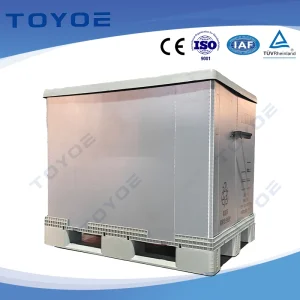
Deploying specialized last-mile delivery hardware—such as heavy-duty weather-resistant HDPE storage bins, QR-code authenticated parcel lockers, and IoT-enabled autonomous ground vehicles (AGVs)—reduces final-mile friction in Santiago by up to 38%. When paired with direct DDP freight channels from international manufacturing hubs like Guangzhou, enterprises effectively eliminate customs bottlenecks at Puerto Rio Haina and Puerto Caucedo.
The manufacturing ecosystem in Santiago relies heavily on dual-direction supply flows. Raw materials, microelectronics, polymer components, and high-value consumer goods enter via international air corridors through Cibao International Airport (STI) or seaport hubs in Puerto Plata and Santo Domingo, proceeding directly to local processing facilities. The final step—delivering finished products to end-consumers, commercial centers, or regional retail hubs—requires specialized last-mile suppliers capable of handling high thermal loads, multi-stop optimization, and secure chain-of-custody tracking.
Quantitative operational metrics achieved through integrated FSG TransLink freight forwarding and automated urban delivery nodes.
Engineering robust hardware and end-to-end freight networks designed for tropical and high-density urban environments.
Building a resilient last-mile network for Santiago de los Caballeros requires high-performance hardware paired with seamless international freight channels. Global suppliers and factories specializing in logistics automation provide two critical capabilities: physical asset hardware (such as heavy-duty HDPE storage systems, driverless delivery robots, dynamic parcel lockers) and international freight logistics (air cargo, ocean LCL/FCL, customs brokering).
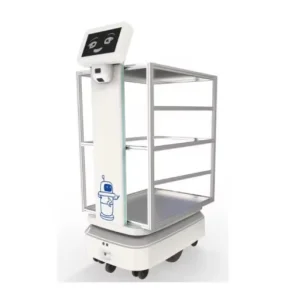
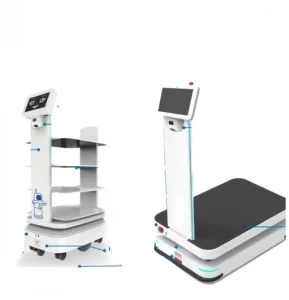
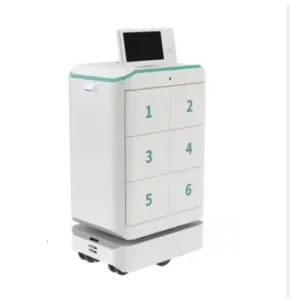
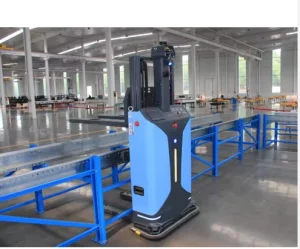
To bypass traffic bottlenecks and lower delivery costs in Santiago's urban core, factories are manufacturing IP65 weather-sealed driverless robotics equipped with multi-sensor LiDAR navigation, real-time GPS tracking, and thermal-insulated storage bins. Combined with QR-code activated smart lockers installed in corporate campuses, residential plazas, and free-zone industrial hubs, local operators can achieve zero-contact, round-the-clock package dispatch.
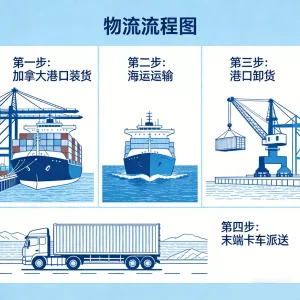
Hardware deployment is only as effective as the underlying international shipping pipeline. Utilizing Direct DDP (Delivered Duty Paid) shipping allows suppliers to handle ocean freight, port operations, Dominican Republic tariff calculations (DGA compliance), and domestic trucking transfer directly to Santiago hubs without unexpected costs or administrative holdups.
Expanding last-mile capabilities into commercial hospitality, industrial food service, and streamlined international ocean/air trade corridors.
Guangzhou FSG Logistics Co., Ltd. is a leading provider of comprehensive global logistics solutions, specializing in express air cargo, ocean freight, and railway logistics services. Founded in 2011 in Guangzhou, China, the company has rapidly grown into a trusted partner for businesses seeking reliable, efficient, and cost-effective supply chain solutions under its flagship brand FSG TransLink.
Starting as a small freight forwarding company, FSG Logistics quickly expanded its capabilities to cover multimodal transportation, including air, sea, and rail, providing flexible and scalable solutions for clients across industries. The company’s services include customs clearance, freight consolidation, inventory management, last-mile delivery, and supply chain consulting, ensuring shipments reach their destinations safely and on time.
FSG TransLink leverages advanced logistics technology, including real-time tracking, route optimization, and warehouse automation, to deliver seamless freight management. The company also specializes in handling temperature-sensitive cargo, hazardous goods, and high-value shipments, providing risk management and freight insurance solutions for complete peace of mind.
Committed to operational excellence, sustainability, and customer satisfaction, Guangzhou FSG Logistics Co., Ltd. continuously innovates to meet the evolving needs of global trade. By combining expertise, technology, and a customer-centric approach, FSG TransLink empowers businesses in Santiago de los Caballeros and worldwide to expand internationally, optimize supply chains, and achieve reliable, professional, and efficient logistics services.
Partner With FSG TransLink

Tailored last-mile deployment strategies engineered for specific economic nodes within Santiago de los Caballeros.
In PIVEM and regional industrial parks, automated HDPE storage boxes and driverless delivery carts move high-value textiles, raw trim materials, and finished goods between production sheds and central logistics centers, reducing internal transit delays.
High-density commercial sectors along Avenida Juan Pablo Duarte utilize centralized smart QR locker banks. Consumers collect cross-border parcels imported via FSG TransLink DDP express lines 24/7 without courier queue delays.
Major medical institutions and premier business hotels in Santiago employ autonomous indoor robots to transfer pharmaceuticals, room service items, and diagnostic samples securely between floors without manual labor intervention.
Navigating regulatory frameworks, import tariffs, and environmental mitigation protocols in the Dominican Republic.
Operating cross-border and last-mile logistics networks within Santiago de los Caballeros requires strict alignment with the Dirección General de Aduanas (DGA) and national transport regulations governed by INTRANT (Instituto Nacional de Tránsito y Transporte Terrestre). Importers and local manufacturers must ensure that their logistics providers fulfill all statutory requirements to avoid costly demurrage or customs confiscation.
Architecting future-ready urban logistics networks in Santiago with AI dynamic routing and zero-emission micro-fleets.
Deploying decentralized micro-fulfillment lockers across key Santiago districts, cutting urban trunk line vehicle trips by 30% and eliminating missed residential deliveries.
Integrating self-driving ground delivery robots into gated industrial parks, medical campuses, and university zones for low-cost, multi-stop micro-conveyance.
Leveraging machine learning algorithms within FSG TransLink telemetry to forecast traffic density along Avenida Bartolomé Colón, optimizing delivery windows dynamically.
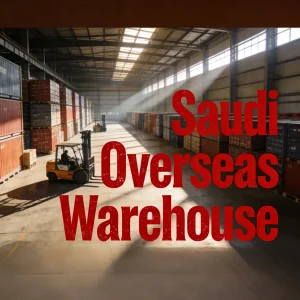
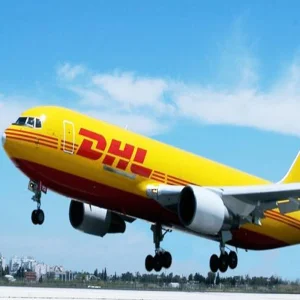
Explore our comprehensive lineup of international freight corridors, express air services, and last-mile equipment supplying Santiago de los Caballeros.

Technical, operational, and regulatory guidance for last-mile logistics in Santiago de los Caballeros.
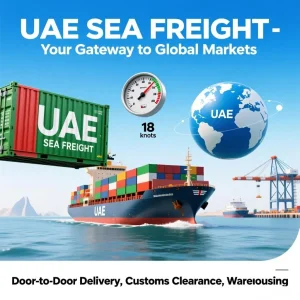
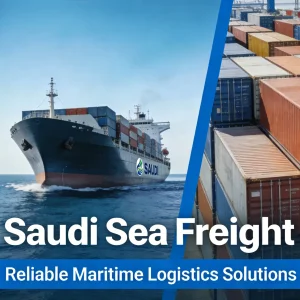
For priority express air freight managed by FSG TransLink, typical door-to-door transit times from major manufacturing hubs in China to Santiago range between 4 to 7 business days, including customs release. Ocean DDP shipments (FCL/LCL) arriving through Dominican port gateways like Caucedo or Rio Haina generally require 22 to 32 days total transit time, inclusive of final inland trucking transport to Cibao regional facilities.
Our autonomous delivery robots are manufactured with IP65 weatherproofing, heavy-duty suspension systems, and multi-sensor LiDAR navigation. They are specifically engineered to navigate sidewalk unevenness, withstand intense sunlight, heavy tropical rainstorms, and adapt to high ambient temperatures without system degradation.
Yes. Guangzhou FSG Logistics Co., Ltd. provides specialized DDP solutions that comply directly with Dominican Customs (Dirección General de Aduanas) policies, including tax-exempt processing for enterprise operations situated inside Zona Franca industrial zones like PIVEM.
All smart storage lockers and autonomous robotics feature reinforced steel dynamic locking mechanisms, anti-tamper shock sensors, automated 24/7 video surveillance integration, and 128-bit encrypted QR access keys sent dynamically to recipient mobile devices upon parcel placement.
 FSG Logistics