Advanced logistics hardware and autonomous tech engineered to solve distribution bottlenecks in Central Africa
The Democratic Republic of Congo (DRC) represents one of the most complex geographical landscapes for logistical deployment globally. Spanning over 2.3 million square kilometers, the nation presents immense physical challenges alongside rapid urban development. In cities like Kinshasa, Lubumbashi, and Goma, urbanization is outpacing structural road networks. Traditional postal codes are sparse, and navigating unstructured metropolitan addresses demands dynamic routing algorithms and micro-warehousing strategies.
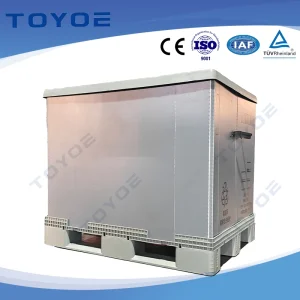
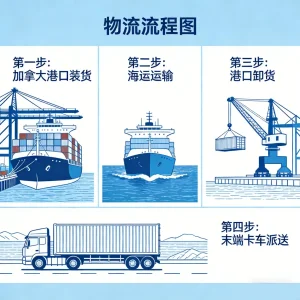
Historically, logistics in the DRC have relied on fractured transit corridors. The western maritime gateway of Matadi serves the capital, Kinshasa, but remains disconnected by modern rail networks to the rich mining belts of Katanga in the south or the mountainous eastern provinces bordering Rwanda and Uganda. A successful last-mile logistics layout requires robust local equipment—such as weather-proof HDPE storage systems—alongside highly adaptive transport modes that transition smoothly from international sea corridors to end-of-line freight dispatch.
Globally, the integration of automation and IoT has redefined the supply chain. Autonomous delivery robots and contactless QR code parcel boxes have streamlined urban logistics in North America and East Asia. To deploy these innovations in Central Africa, manufacturers must ruggedize hardware against high humidity, temperature swings, and unpaved pathways. High-density polyethylene (HDPE) polymer pallets and weatherproof steel lockers are necessary components to keep cargo safe and dry.
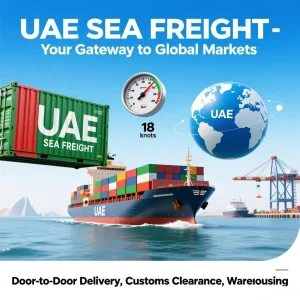
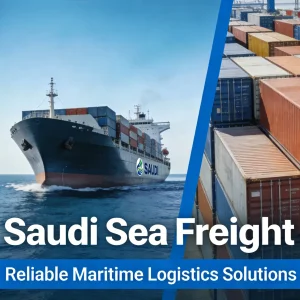
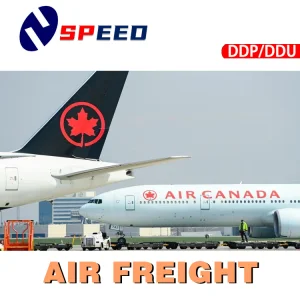
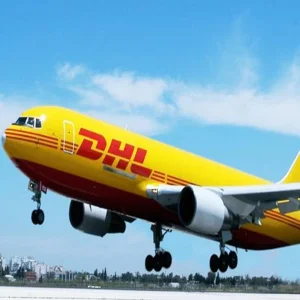
Simultaneously, global trade routes originating from East Asia must connect with localized networks in the DRC. This requires structured import pathways that handle sea freight through the Port of Matadi or air cargo through N'djili Airport. From there, goods must move through a coordinated logistics network that minimizes warehouse transit times and ensures reliable last-mile delivery to the final recipient.
Your Trusted Global Supply Chain & Last-Mile Logistics Partner
Guangzhou FSG Logistics Co., Ltd. is a leading provider of comprehensive global logistics solutions, specializing in express air cargo, ocean freight, and railway logistics services. Founded in 2011 in Guangzhou, China, the company has rapidly grown into a trusted partner for businesses seeking reliable, efficient, and cost-effective supply chain solutions under its flagship brand FSG TransLink.
Starting as a small freight forwarding company, FSG Logistics quickly expanded its capabilities to cover multimodal transportation, including air, sea, and rail, providing flexible and scalable solutions for clients across industries. The company’s services include customs clearance, freight consolidation, inventory management, last-mile delivery, and supply chain consulting, ensuring shipments reach their destinations safely and on time.

FSG TransLink leverages advanced logistics technology, including real-time tracking, route optimization, and warehouse automation, to deliver seamless freight management. The company also specializes in handling temperature-sensitive cargo, hazardous goods, and high-value shipments, providing risk management and freight insurance solutions for complete peace of mind.
Committed to operational excellence, sustainability, and customer satisfaction, Guangzhou FSG Logistics Co., Ltd. continuously innovates to meet the evolving needs of global trade. By combining expertise, technology, and a customer-centric approach, FSG TransLink empowers businesses to expand internationally, optimize supply chains, and achieve reliable, professional, and efficient logistics services worldwide.

Deploying last-mile solutions in the DRC requires a clear understanding of the specific operational environments in different regions:
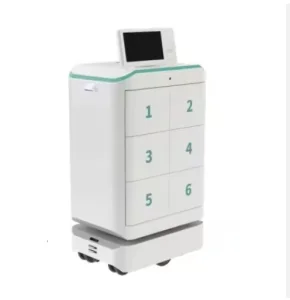
Modern logistics networks are shifting toward data-driven, automated systems. Our technology roadmap focuses on introducing localized smart storage systems and automated delivery units to key African hubs. By incorporating low-power electronics, cellular-connected parcel lockers, and secure QR access codes, we help local operations overcome the lack of traditional physical addresses.
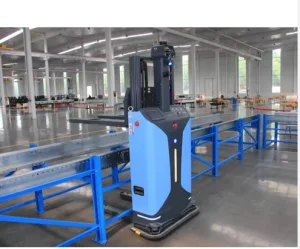
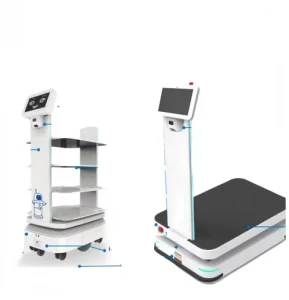
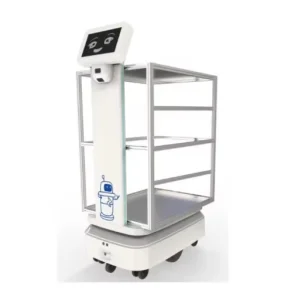
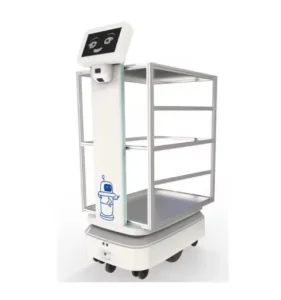
In parallel, the deployment of autonomous hospitality and delivery robots in corporate offices, larger warehouses, and retail spaces showcases the potential of modern logistics. These machines help streamline indoor transport, manage warehouse inventory, and speed up local distribution hubs.
Whether you need end-to-end DDP sea cargo shipping, secure QR-enabled distribution bins, or autonomous warehouse hardware, FSG TransLink provides the technical expertise and logistics network to make it happen. Talk to our logistics engineers today for custom quotes and route planning.
Request A Tailored Logistics ProposalExplore our complete range of cross-border shipping services, regional transport networks, and automated delivery systems

Clear answers to standard logistics challenges, transit times, and equipment deployment in Central Africa
 FSG Logistics