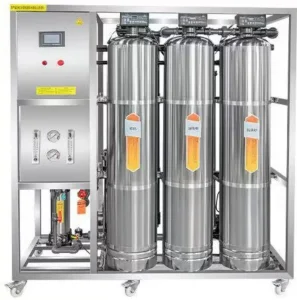
Optimizing transshipment hubs, eco-friendly processing, and modular building structures custom-fit for São Tomé and Príncipe's localized supply chains.



Guangzhou FSG Logistics Co., Ltd. is a leading provider of comprehensive global logistics solutions, specializing in express air cargo, ocean freight, and railway logistics services. Founded in 2011 in Guangzhou, China, the company has rapidly grown into a trusted partner for businesses seeking reliable, efficient, and cost-effective supply chain solutions under its flagship brand FSG TransLink.
Starting as a small freight forwarding company, FSG Logistics quickly expanded its capabilities to cover multimodal transportation, including air, sea, and rail, providing flexible and scalable solutions for clients across industries. The company’s services include customs clearance, freight consolidation, inventory management, last-mile delivery, and supply chain consulting, ensuring shipments reach their destinations safely and on time.
FSG TransLink leverages advanced logistics technology, including real-time tracking, route optimization, and warehouse automation, to deliver seamless freight management. The company also specializes in handling temperature-sensitive cargo, hazardous goods, and high-value shipments, providing risk management and freight insurance solutions for complete peace of mind.
Committed to operational excellence, sustainability, and customer satisfaction, Guangzhou FSG Logistics Co., Ltd. continuously innovates to meet the evolving needs of global trade. By combining expertise, technology, and a customer-centric approach, FSG TransLink empowers businesses to expand internationally, optimize supply chains, and achieve reliable, professional, and efficient logistics services worldwide.
Partner with FSG TransLink Today

An authoritative analysis of green logistics optimization, local microeconomic adaptation, and macro supply-chain corridors linking China and São Tomé and Príncipe.
The global shipping industry accounts for approximately 2.5% to 3% of global greenhouse gas (GHG) emissions. In response, the International Maritime Organization (IMO) has instituted aggressive decarbonization mandates targeting a 50% reduction in greenhouse gas emissions by 2050 compared to 2008 baselines. Correspondingly, CORSIA (Carbon Offsetting and Reduction Scheme for International Aviation) regulates emissions in global air freight corridors.
To align with these international standards, logistics architects are transitioning from heavy fuel oils (HFO) to low-emission alternative marine fuels such as green methanol, liquid hydrogen, and ammonia. Furthermore, modern vessels utilize wind-assisted propulsion systems and waste-heat recovery designs. In air freight, the integration of Sustainable Aviation Fuels (SAF) derived from biological waste materials is shifting the operational parameters of expedited express cargo. As Scope 3 emissions reporting becomes mandatory under global ESG disclosure regulations, multinational corporations must partner with freight forwarders who provide detailed carbon accounting and green corridor routing.
As an archipelago located in the Gulf of Guinea, São Tomé and Príncipe faces unique logistical vulnerabilities. The economy relies heavily on imports for petroleum products, industrial machinery, food, and consumer goods, while exporting high-value agricultural commodities such as organic cocoa, high-grade coffee, copra, and palm oil. This creates a structural import-export imbalance that challenges traditional freight pricing structures.
Furthermore, São Tomé and Príncipe's primary ports (such as the Port of Ana Chaves and the deepwater development projects at Fernão Dias) and air hubs are particularly vulnerable to climate change, rising sea levels, and coastal erosion. Traditional logistical channels often suffer from high transit costs, frequent transshipment delays, and an inability to maintain strict cold-chain protocols for sensitive agricultural exports. Implementing sustainable freight solutions is not merely an environmental preference for the island; it is an economic necessity to reduce import-dependency costs and ensure the premium positioning of its organic agricultural goods in European and Asian markets.
Adapting sustainable freight concepts to the specific requirements of São Tomé and Príncipe requires tailored strategies:
The transition toward fully sustainable logistics in the Gulf of Guinea involves a phased implementation roadmap:
With over a decade of operating experience since 2011, Guangzhou FSG Logistics Co., Ltd. (FSG TransLink) leverages extensive logistics networks in China and Africa. Our deep understanding of customs regulations, import/export tariffs, and regional infrastructure challenges in West Africa makes us a reliable partner for green shipping. We do not just move cargo; we optimize your supply chain using carbon-accounting software, predictive delay algorithms, and specialized handling techniques for fragile, temperature-sensitive, or hazardous materials. We ensure our green strategies translate into tangible cost savings and compliance advantages for your operations in São Tomé and Príncipe.
Get in touch with our supply chain architects to calculate your carbon offset options and receive a competitive quote for your green freight requirements.
Request a Custom Freight AnalysisHow FSG TransLink ensures environmental integrity, cargo safety, and cost reduction across every maritime mile.
Environmentally friendly components and systems built to support sustainable trade, agricultural processing, and municipal construction projects in São Tomé and Príncipe.






Resolving complex logistics, regulatory, and environmental inquiries regarding shipping to and from São Tomé and Príncipe.
 FSG Logistics