Pioneering modular containment, biodegradable materials, and industrial protection optimized for the Namibian shipping and mining corridors.
A Comprehensive Analysis of Freight Infrastructure Optimization, Carbon Footprint Mitigation, and SADC Corridor Compliance
In the era of climate emergency and stringent environmental policies, the global freight industry is undergoing an unprecedented structural transition. For developing economies, particularly in the Southern African Development Community (SADC) region, integrating sustainable and eco-friendly freight solutions is no longer a peripheral corporate social responsibility task—it is a critical requirement for global market access. Namibia, serving as a gateway hub through the Port of Walvis Bay and the Trans-Kalahari Corridor, stands at a pivotal juncture where logistics efficiency must meet low-carbon operations.
As a global pioneer in supply chain design and multi-modal logistics execution, Guangzhou FSG Logistics Co., Ltd. (FSG TransLink) leverages advanced route planning algorithms, environmental packaging systems, and structural infrastructure designs to offer end-to-end green solutions. By utilizing lightweight composite materials, biodegradable shipping liners, and optimizing route configurations, we mitigate the carbon density of cross-border shipments, supporting Namibia's emergence as Africa's premier clean logistics corridor.
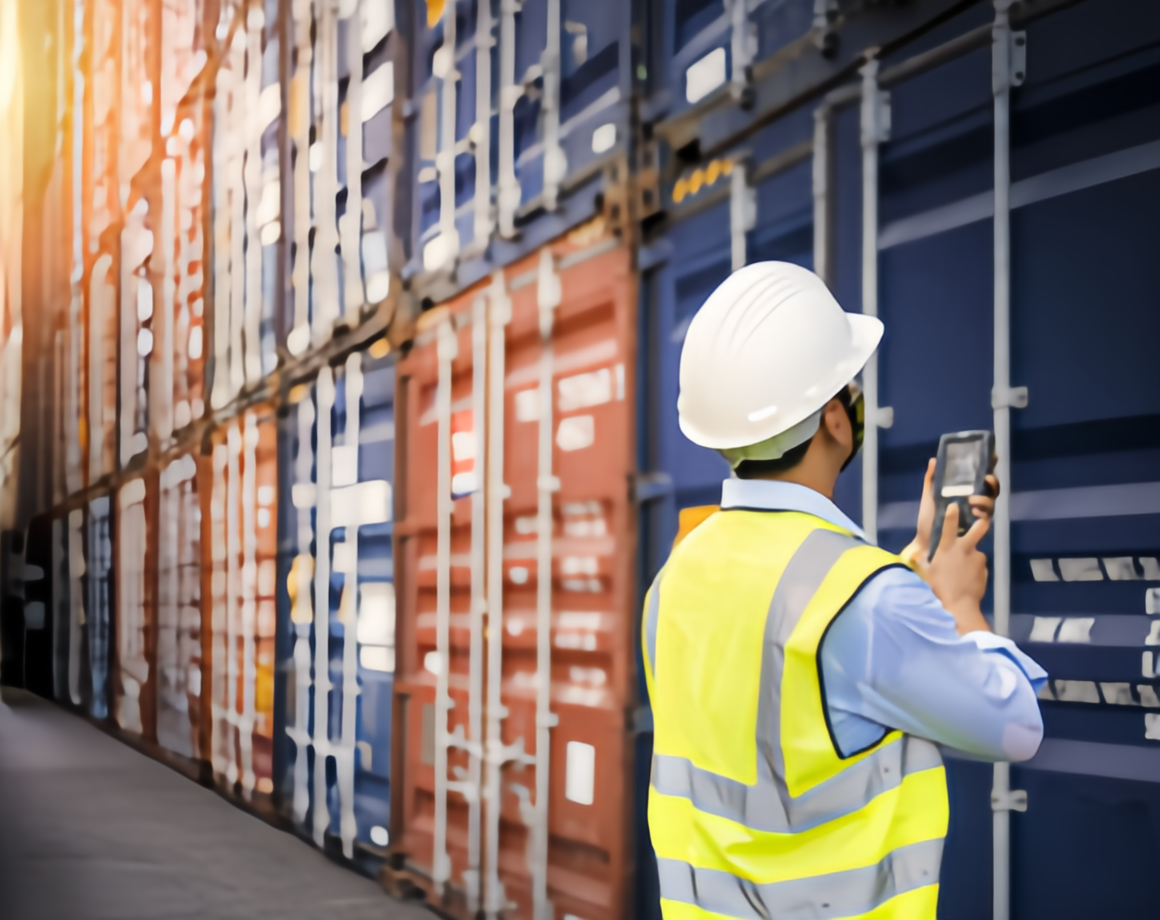
Under international maritime guidelines and the emerging carbon taxation protocols like EU ETS extensions, shipments route-optimized via green gateways can reduce total Scope 3 lifecycle emissions by up to 34%. Aligning Namibian import-export processes with eco-friendly infrastructure is vital to shielding local enterprises from impending carbon tariff penalties.
Namibia’s geographical position dictates its destiny as a multi-modal transit powerhouse. The country operates three key transport corridors: the Trans-Kalahari (connecting Walvis Bay to Botswana and Gauteng, South Africa), the Trans-Caprivi (connecting to Zambia, Zimbabwe, and the DRC), and the Trans-Cunene (connecting northern Namibia to Angola). However, these vast distances present a challenge: high fuel consumption and significant carbon outputs per ton of freight moved.
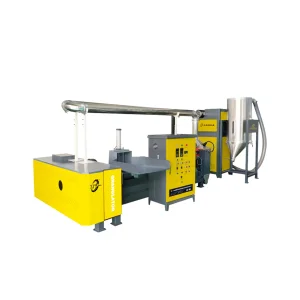
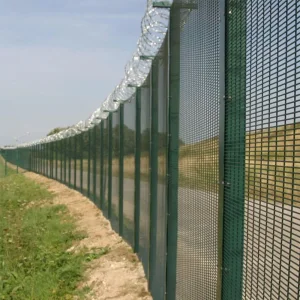
Moreover, Namibia's massive extractive industry—focused on Uranium, Copper, and Lithium—creates heavy bulk logistics demand. Traditional supply lines rely heavily on heavy diesel vehicles and standard packaging materials that contribute to land pollution and high carbon emissions. The adoption of ecological water treatment agents at mineral transport terminals, modular steel frames for logistics yards, and sustainable perimeter protection systems like anti-climb fence panels are crucial interventions to make these transport lanes environmentally secure and structurally resilient.
Globally, freight transport contributes to approximately 8% of carbon emissions, and up to 11% if warehousing and logistics hubs are included. In response, global regulatory networks have established rigid legal frameworks:
By implementing multi-modal rail-and-sea optimization, integrating biodegradable packaging, and deploying highly efficient prefabricated modular warehouses, forward-looking logistics operators can achieve measurable Scope 3 emission reductions, satisfying global environmental audits and securing competitive export terms for Namibian raw materials.

Founded in 2011 in Guangzhou, China, Guangzhou FSG Logistics Co., Ltd. has established itself as an innovative force in multi-modal shipping under its signature brand FSG TransLink. Recognizing that eco-friendly logistics is not just about alternative fuels, FSG TransLink focuses on material circularity, digital route optimization, and resource protection.
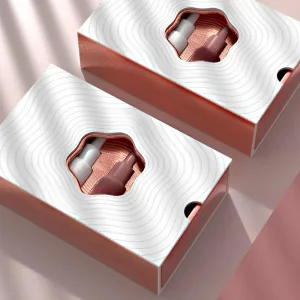
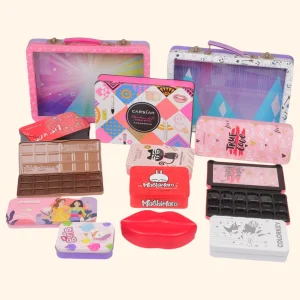
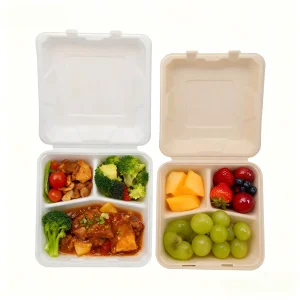
We supply a specialized suite of eco-friendly infrastructure products, modular offices, and biological water treatment reagents designed to support sustainable operations. From modern structural steel-framed logistics hubs to GOTS-certified clothing shipping protection and eco-friendly packaging boxes, we deliver integrated systems that minimize environmental impact. By optimizing container space and utilizing biodegradable liners, we help enterprises reduce waste and prevent structural site pollution across the African continent.
Implementing eco-friendly freight practices requires adjusting to Namibia's specific industrial realities. Key local applications include:
Global supply chain decisions demand professional expertise and reliable verification. FSG TransLink ensures all eco-friendly logistics, structural steel, and biological processing products comply with strict international regulatory standards. Our products carry verified certifications:
Our experienced engineering teams design these cargo protection, water purification, and packaging systems to withstand harsh desert conditions while maintaining high environmental performance, ensuring long-term operational viability.
Building a zero-emission logistics corridor through Namibia requires a structured approach to clean energy, circular materials, and digital optimization:
Integrating water purification, structural steel designs, modular architecture, and eco-packaging for Namibian transit hubs.

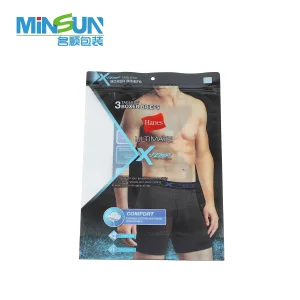
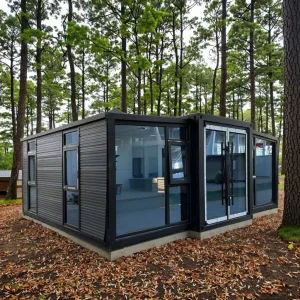
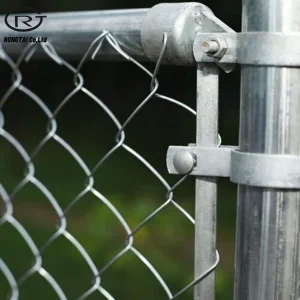
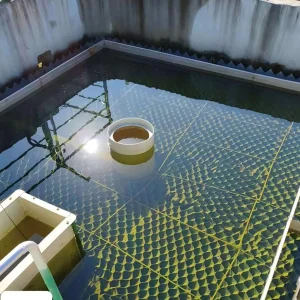
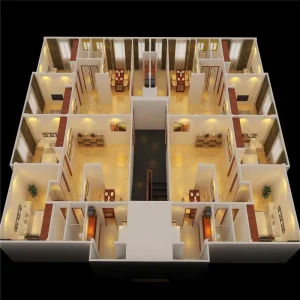

High-durability structures, acoustic engineering, and eco-certified packaging systems designed for global transport lanes.
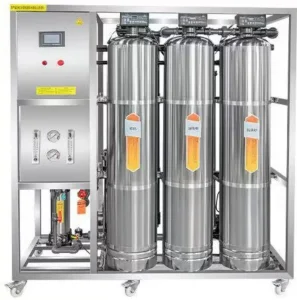


Addressing key engineering, regulatory, and logistics queries regarding green logistics deployment in Southern Africa.
Scope 3 emissions cover indirect supply chain activities, including transportation and packaging. Using recycled steel structures for warehouse infrastructure, GOTS-certified shipping materials, and bio-based plastics helps lower the embedded carbon footprint of your logistics pipeline. These measures reduce energy use during transport and waste generation at cargo destination sites.
Namibia is an arid country with limited water resources. Large-scale logistics hubs generate significant runoff from cleaning machinery and bulk ore washing. Using eco-friendly polyaluminium chloride coagulants clarifies wastewater effectively. This allows logistics yards to recycle up to 85% of their water, reducing demand on local municipal water grids.
Yes. Our modular, expandable container houses are built with thick insulation panels and anti-corrosive, heavy-duty galvanized structural frames. This design protects against salty air, high humidity, and extreme heat, keeping energy costs down and providing a reliable workspace in coastal and desert environments.
Operating globally since 2011, FSG TransLink combines advanced digital route optimization with eco-certified materials. By managing packaging lifecycle design, waste recycling equipment, and high-efficiency structural installations under a single system, we provide measurable environmental improvements that help clients meet strict global audits.
Get in touch with our engineering team for customized logistics strategies, green cargo containment, and water treatment solutions.
Contact Our Logistics Experts FSG Logistics