Advanced tracking, robust structural framing, and automated component lockers optimized for high-humidity oceanic microclimates like Takamaka.
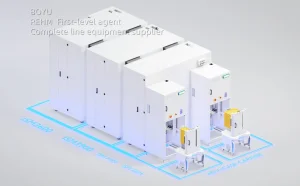
The district of Takamaka, located on the southern flank of Mahé Island in the Seychelles, stands as a critical intersection of upscale eco-tourism infrastructure, high-value agricultural production (such as the world-renowned regional rum distilleries), and direct maritime supply routes. Unlike landlocked or continentally integrated logistics networks, island economies operate under severe spatial, ecological, and environmental constraints. Warehousing solutions deployed in Takamaka must withstand persistent high-salinity marine air, extreme relative humidity fluctuating between 75% and 95%, and severe geographical limitations that restrict large-scale horizontal construction.
For local commercial actors, optimizing the storage footprint is not merely a matter of efficiency—it is a core prerequisite for survival. Businesses in the rum distillation, hotel provisioning, and maritime import sectors face highly volatile lead times due to ocean shipping schedules. Consequently, holding high safety stock buffer inventory requires specialized warehouse infrastructures. Traditional storage designs easily succumb to micro-organic growth, pest infestations, and fast metal oxidation, rendering standard storage structures obsolete within years.
"The modern warehouse in Takamaka must act as a dynamic, climate-defending fortress. Integration of resilient materials, automated air circulation systems, and smart tracking mechanisms is the only way to avoid catastrophic inventory degradation."
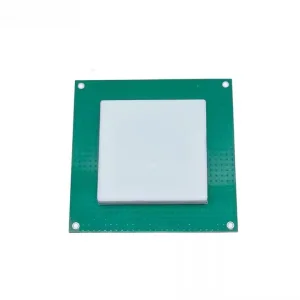
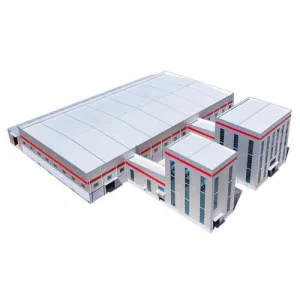
Our analysis indicates a rising regional demand for modular, prefabricated smart warehouses that combine hot-dip galvanized steel frames with integrated thermodynamic insulation. These structures, when augmented with localized IoT networks like 915MHz RFID antenna arrays, enable businesses to maintain 99.9% inventory visibility even when facing remote operations. This represents a seismic shift from manual ledgers to continuous, automated digital reconciliation.
How international standards translate to localized performance metrics.
The replacement of barcode scanning with passive and active RFID tracking (such as UHF antennas and circular polarization technology) allows bulk check-ins of inventory directly off container ships without unpacking, drastically lowering dwell times at the port of entry.
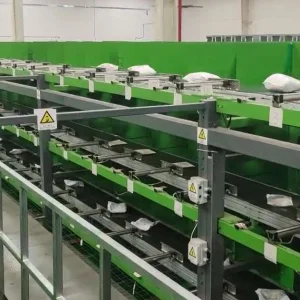
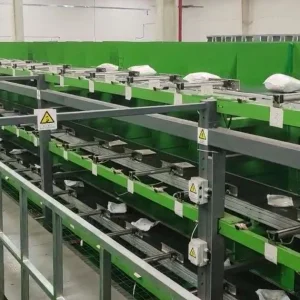
Automated Storage and Retrieval Systems (ASRS) allow warehouses to build vertically rather than horizontally, maximizing space utilization in regions where land prices are at a premium and expansion is restricted by strict zoning and environmental laws.
Agricultural products and dry food goods face immense pest pressure in tropical microclimates. Modern installations combine air-push technologies with high-intensity vector traps to isolate storage bays from local biological contaminants.
China's advanced manufacturing clusters have transitioned from simple component assembly to becoming the global epicenter of Industry 4.0 innovation. By integrating automated robotic welding, laser cutting precision, and complex software-hardware loops, Chinese factories supply the most resilient, high-tolerance warehousing solutions globally. For remote markets such as the Seychelles, sourcing from these advanced factories ensures access to top-tier materials engineered to withstand rigorous maritime conditions.
A key pillar of this resilience is the modular manufacturing process of prefabricated buildings and intelligent storage cabinets. Built under highly controlled factory environments in China, these systems undergo rigorous quality checks—including salt spray testing to guarantee anti-corrosion properties—before being flat-packed for global shipment. This ensures that when the cargo arrives at the Takamaka site, the deployment phase is swift, minimizing local labor dependencies and construction disruptions.
Furthermore, Chinese logistics networks, pioneered by leaders like Guangzhou FSG Logistics Co., Ltd. (FSG TransLink), provide the crucial transport corridor. They fuse multimodal transit pathways—combining fast domestic rail transport, optimized seaport consolidation, and direct air cargo lines—to guarantee that complex, heavy warehouse hardware arrives safely and in sync with local development timelines.
Guangzhou FSG Logistics Co., Ltd. is a leading provider of comprehensive global logistics solutions, specializing in express air cargo, ocean freight, and railway logistics services. Founded in 2011 in Guangzhou, China, the company has rapidly grown into a trusted partner for businesses seeking reliable, efficient, and cost-effective supply chain solutions under its flagship brand FSG TransLink.


Starting as a small freight forwarding company, FSG Logistics quickly expanded its capabilities to cover multimodal transportation, including air, sea, and rail, providing flexible and scalable solutions for clients across industries. The company’s services include customs clearance, freight consolidation, inventory management, last-mile delivery, and supply chain consulting, ensuring shipments reach their destinations safely and on time.
FSG TransLink leverages advanced logistics technology, including real-time tracking, route optimization, and warehouse automation, to deliver seamless freight management. The company also specializes in handling temperature-sensitive cargo, hazardous goods, and high-value shipments, providing risk management and freight insurance solutions for complete peace of mind.
Committed to operational excellence, sustainability, and customer satisfaction, Guangzhou FSG Logistics Co., Ltd. continuously innovates to meet the evolving needs of global trade. By combining expertise, technology, and a customer-centric approach, FSG TransLink empowers businesses to expand internationally, optimize supply chains, and achieve reliable, professional, and efficient logistics services worldwide.
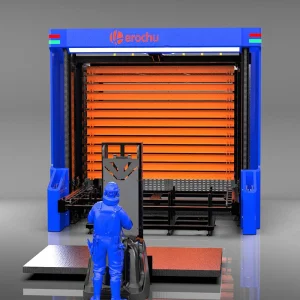
Takamaka’s rum and beverage producers require highly organized raw material sorting and precision barrel aging management. Deployed systems utilize smart metallic library structures and sheet metal plate handlers to manage heavy barrels, raw molasses drums, and glass packaging materials. These heavy-duty intelligent libraries save up to 60% of floor space compared to classic racking, protecting fragile glass inventory from seismic shifts or tropical storms.
High-end tourism hospitality depends entirely on reliable food logistics. Warehouses in southern Mahé require state-of-the-art pest isolation. High-intensity agricultural insect killer lamps and air-push ventilation technology ensure that loading docks prevent entry of tropical insects, moths, and grain beetles. By establishing a sanitary buffer zone, resorts and food factories protect their stock from spoilage and retain high guest ratings.
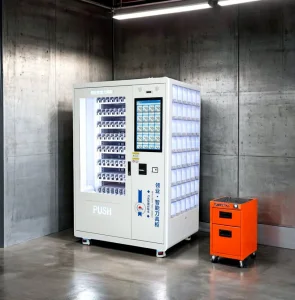
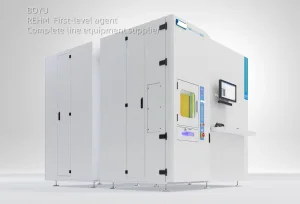
Keeping delivery trucks, ocean vessels, and harbor equipment functional requires hundreds of distinct mechanical spare parts. The use of smart component cabinets (such as the Essegi ISM3600f double tray organizer) allows local engineering bays in Takamaka to automatically index, store, and track micro-components, sensors, and marine valves. Circular polarized RFID antennas ensure that when a mechanic removes a parts drawer, the system logs the transaction instantly, auto-routing a reorder request directly to the supplier in Guangzhou.
Answering high-intent questions regarding remote island logistics, smart tracking, and structural defense.
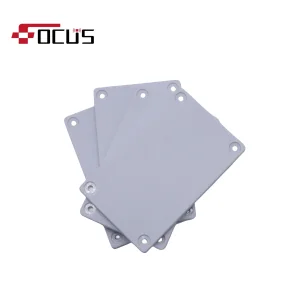
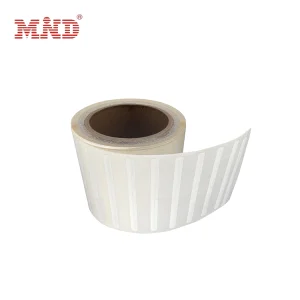
Standard adhesive RFID tags often fail in tropical climates due to adhesive breakdown and moisture absorption. We utilize specialized ceramic-encapsulated RFID tags and high-gain circular polarized antennas (915MHz). Ceramic housing prevents water ingress, while circular polarization ensures reliable signal capture regardless of the orientation or condensation levels on the pallet surfaces.
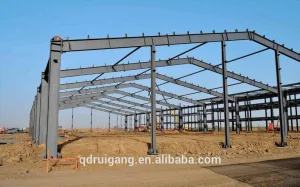
Prefabricated steel warehouses offer three primary advantages: speed of installation, structural elasticity, and anti-corrosive coating quality. By sourcing from a China-based Industry 4.0 factory, the entire structural steel package is hot-dip galvanized and coated with maritime-grade epoxy. Local assembly is quick, eco-friendly, and causes minimal impact to nearby tourism habitats.
Air Push systems utilize pressurized micro-airflows to create an invisible structural curtain at warehouse entry points. This barrier prevents ambient, humid air and flying pests from entering dry storage bays when bay doors are opened. This system reduces cooling costs by up to 22% and keeps pest counts near zero.
FSG TransLink serves as the end-to-end logistics partner. We coordinate the factory-to-port land freight inside China, handle complex export customs documentations, secure ocean shipping berths, and manage the final island port delivery, providing a seamless supply chain from factory floor to Takamaka site.
Engineered for reliability, durability, and seamless technical integration in demanding tropical climates.
Connect with our expert design engineers to secure customized, weather-resistant smart storage layouts and seamless global transit solutions.
Send Inquiry Now FSG Logistics