FSG Logistics


1 / 5
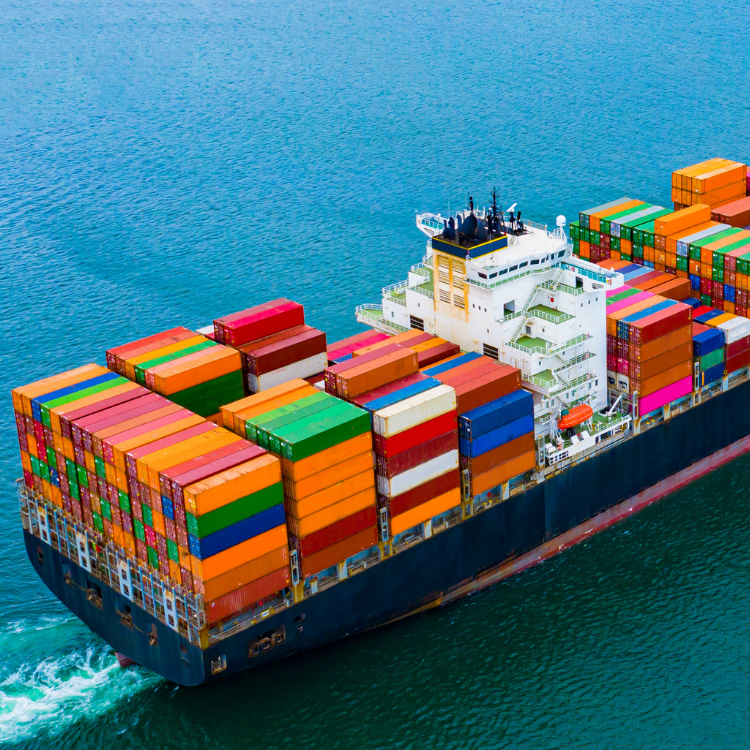
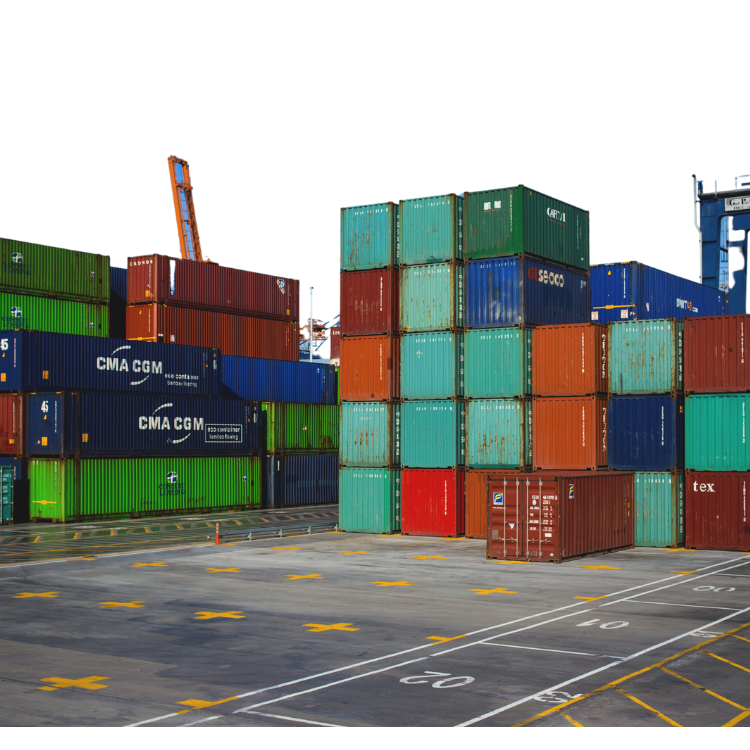
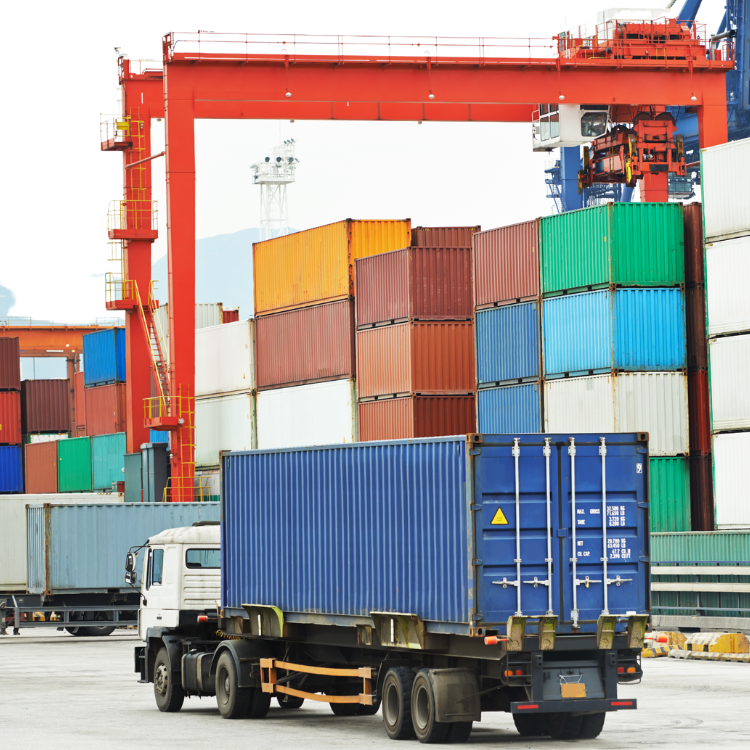
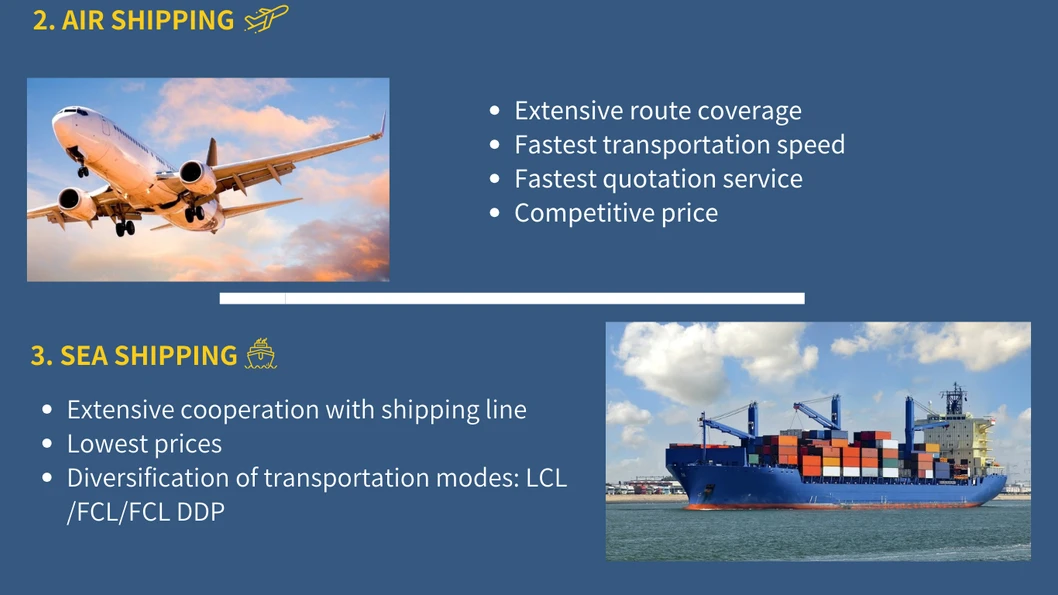
Full Container Load (FCL) shipping is a method where the entire container is dedicated to a single consignee. This approach is ideal for businesses needing to ship large volumes, maximizing container space while minimizing handling and transit times.
| Aspect | FCL Shipping | LCL Shipping |
|---|---|---|
| Cost Structure | Flat fee per container; affected by currency. | Per cubic meter; includes consolidation fees. |
| Unit Price | Lower per cubic meter for large volumes. | Higher due to increased handling. |
| Volume Requirement | Best for >15 CBM. | Best for <15 CBM. |
| Delivery Speed | Faster (Direct delivery). | Slower (Sorting/deconsolidation needed). |
| Risk Level | Lower risk (Sealed container). | Higher risk (Shared space). |

These refer to container sizes. 20GP is a standard 20-foot container, 40GP is a standard 40-foot container, and 40HQ (High Cube) offers extra height for voluminous cargo.
FCL is generally more cost-effective if your shipment volume is greater than 13-15 cubic meters, or if you require higher security and faster transit times.
Yes, since the container is dedicated to your goods only and sealed at the point of origin, the risk of damage, theft, or contamination from other cargo is significantly reduced.
Shipping rates are often quoted in USD. If your local currency weakens against the USD, the total cost of your freight may increase. FCL rates are generally more sensitive to these changes than LCL handling fees.
Transit times vary by destination, but typically range from 25 to 40 days for major global ports in the USA, UK, or Canada.
Yes, specialized containers such as flat racks or open-top containers are available within the FCL framework to accommodate irregularly shaped or heavy equipment.