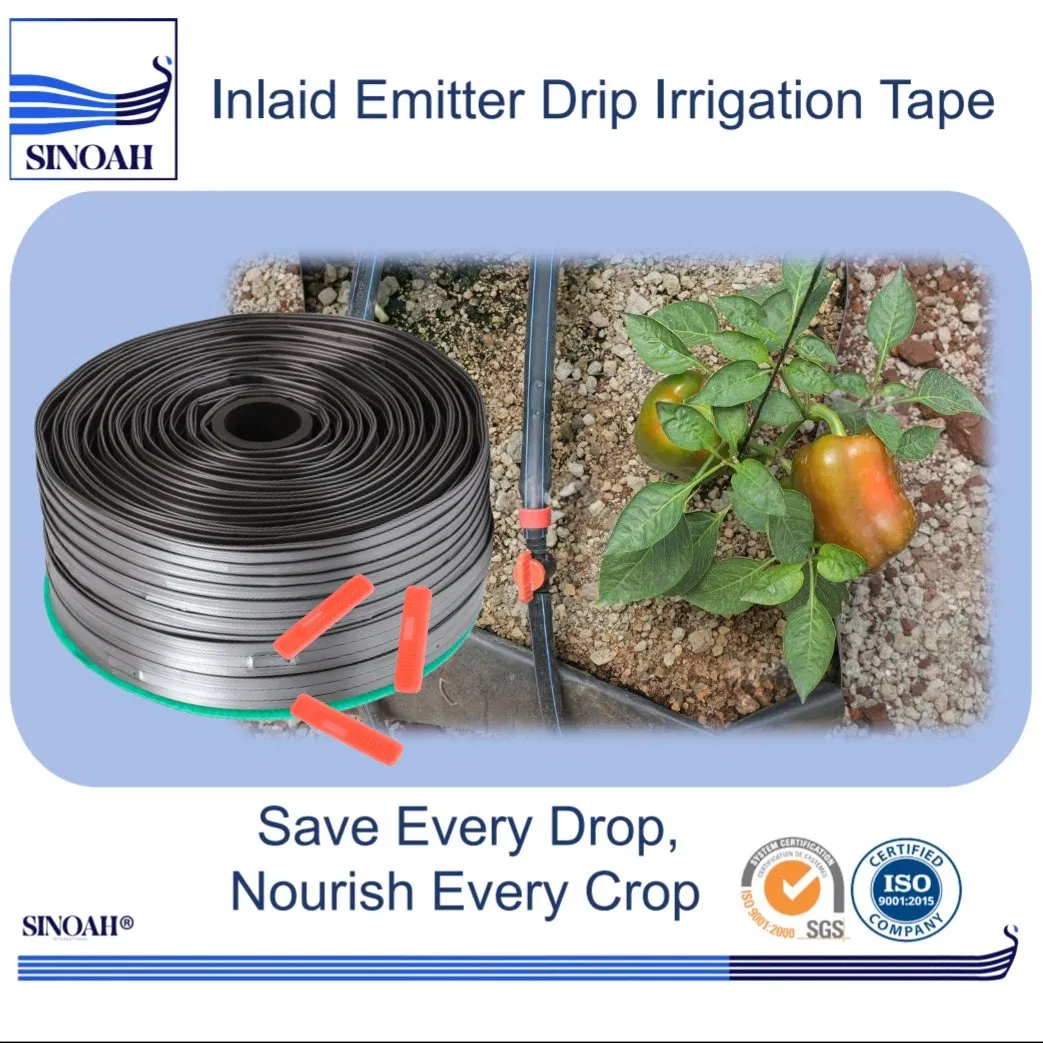
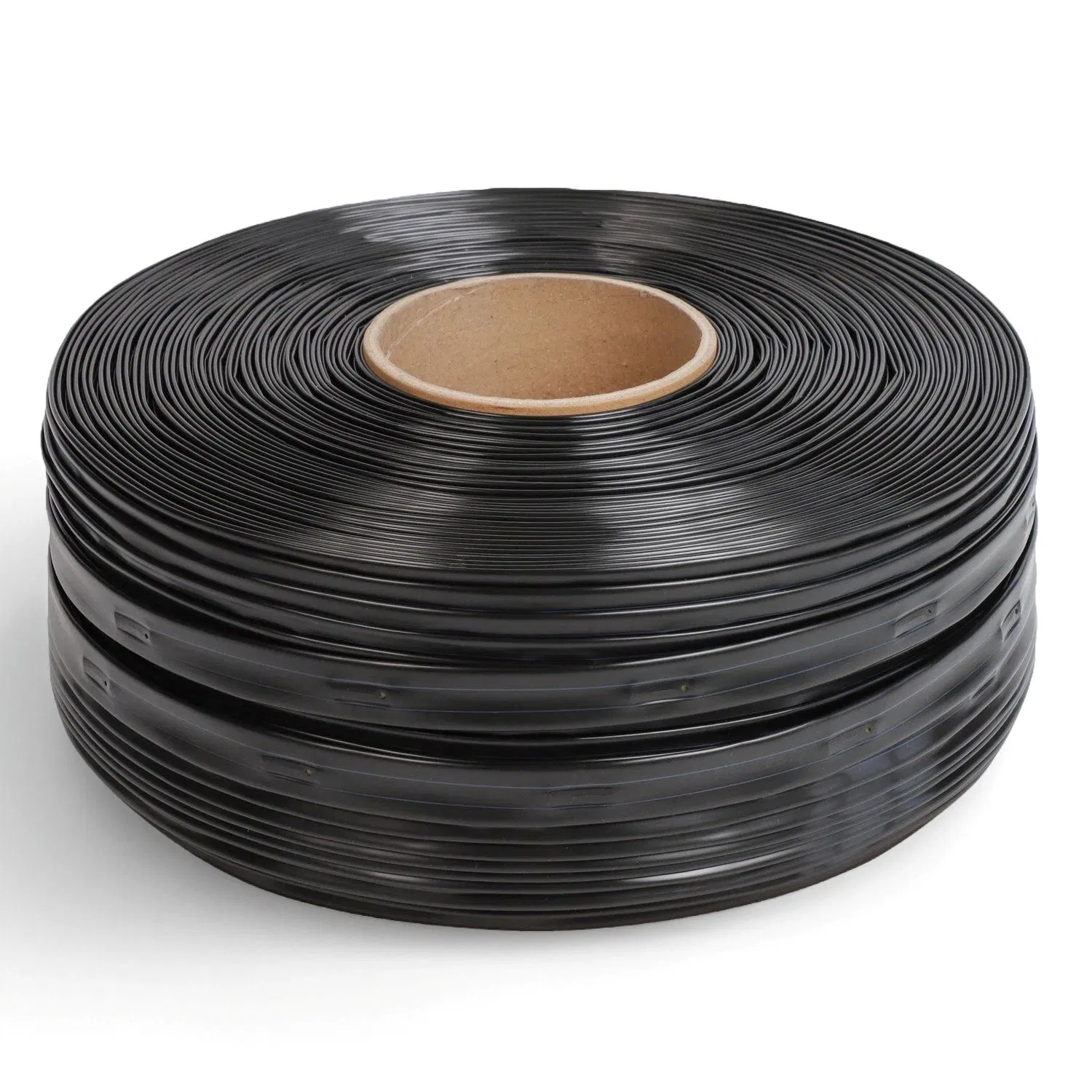
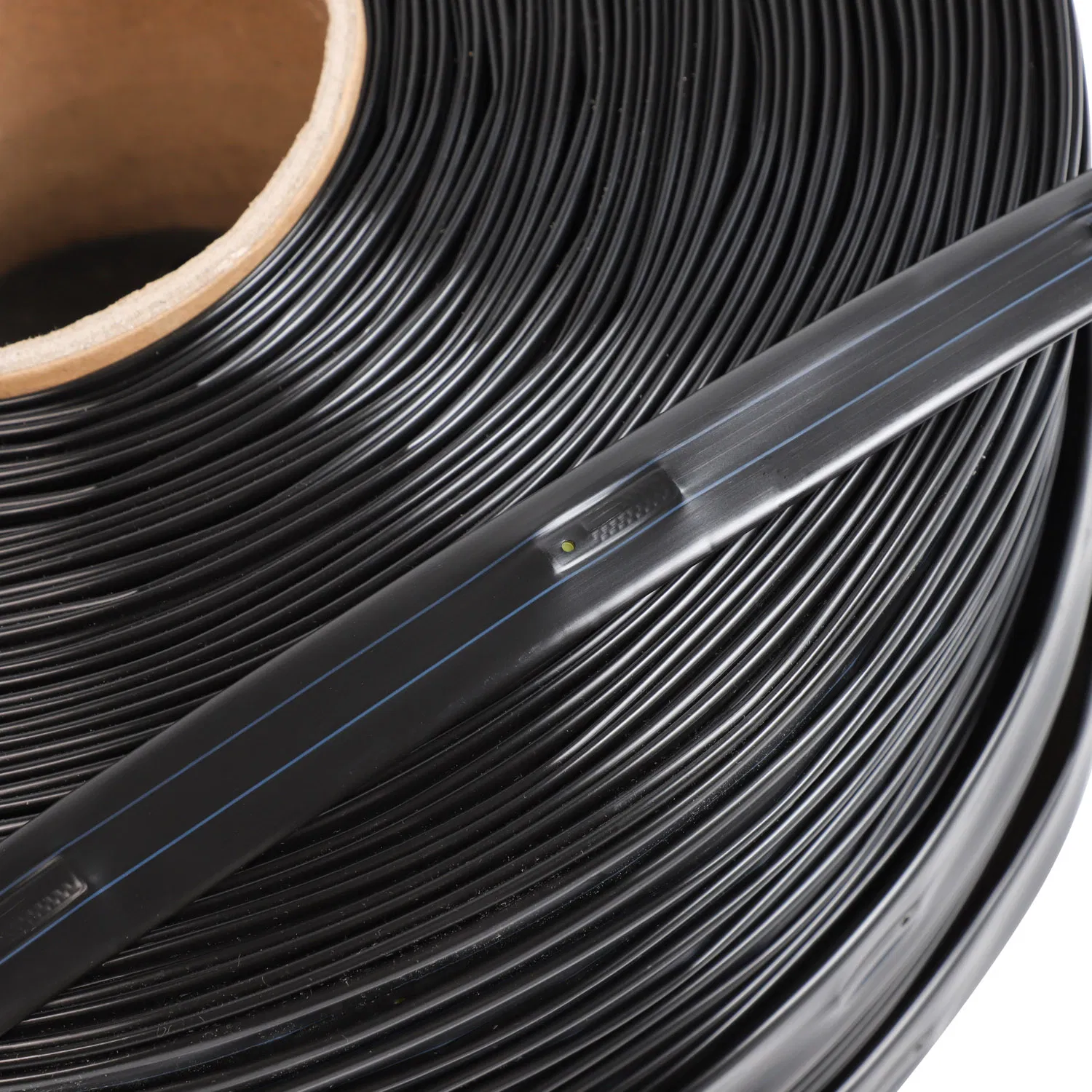
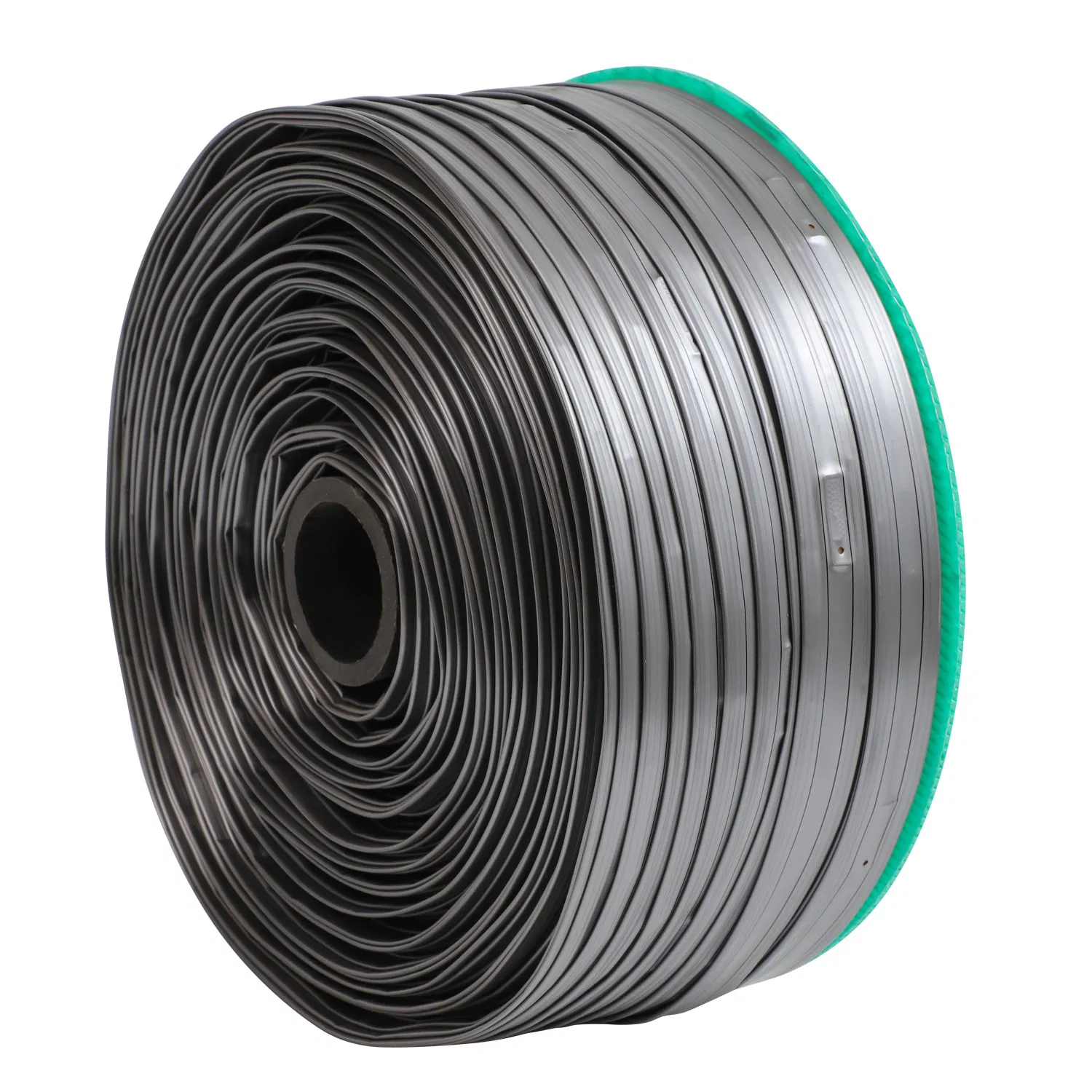
Sustainable Agriculture Drip Tape16mm Dripline with Integrated Flat Dripper 1.38 2.0lph HDPE

Still deciding? Get samples of $ !
Order Sample

Product Description

Basic Info.

Model NO.
SFD-16
Type
Thermosetting Plastic Pipe
Color
Black / Customizable
Shape
Round
Usage
Water Supply, Agricultural Irrigation
Material
Virgin/Recycled PE + UV Masterbatch
Diameter
12mm / 16mm / 20mm / 22mm
Operating Pressure
0.8-1.0 Bar
Burst Pressure
≥ 2.0 Bar
Fertigation
Compatible

Technical Specification

Parameter Details
Diameter16 mm; 22 mm
Thickness0.15 mm (6 mil) to 0.4 mm (16 mil)
Dripper Spacing10 / 15 / 20 / 30 / 40 / 50 cm
Flow Rate1 / 1.38 / 2.2 / 2.7 / 3.0 L/H
Roll Length500m to 3000m per roll
Working Pressure1 bar
Recommended Filtration120 mesh

Product Description

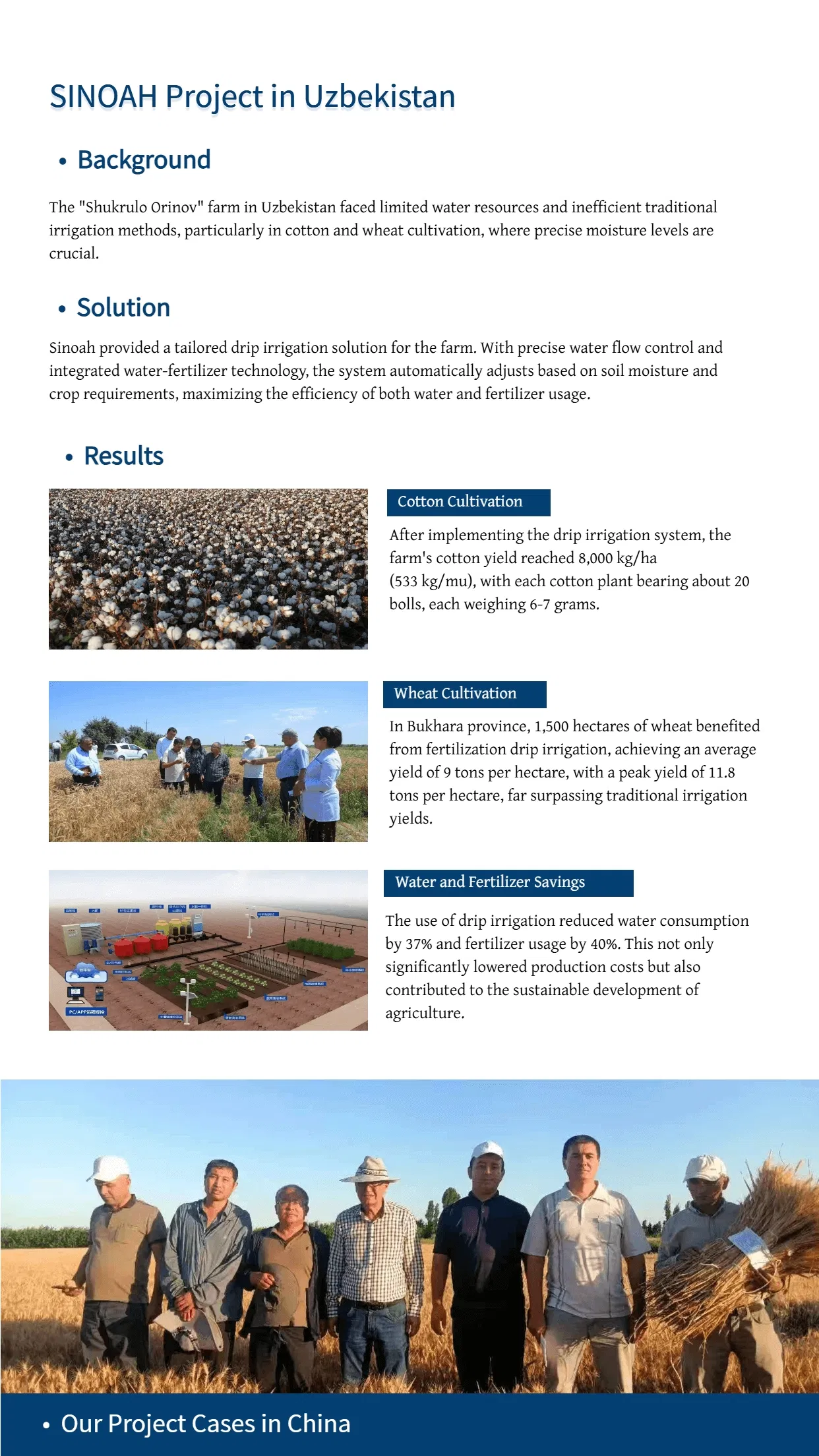
Drip irrigation is currently the most effective water-saving method for arid and dry regions, with a water utilization rate of up to 95%. Compared to sprinkler irrigation, drip irrigation offers superior water conservation and yield enhancement. When combined with fertilization, it can more than double fertilizer efficiency.
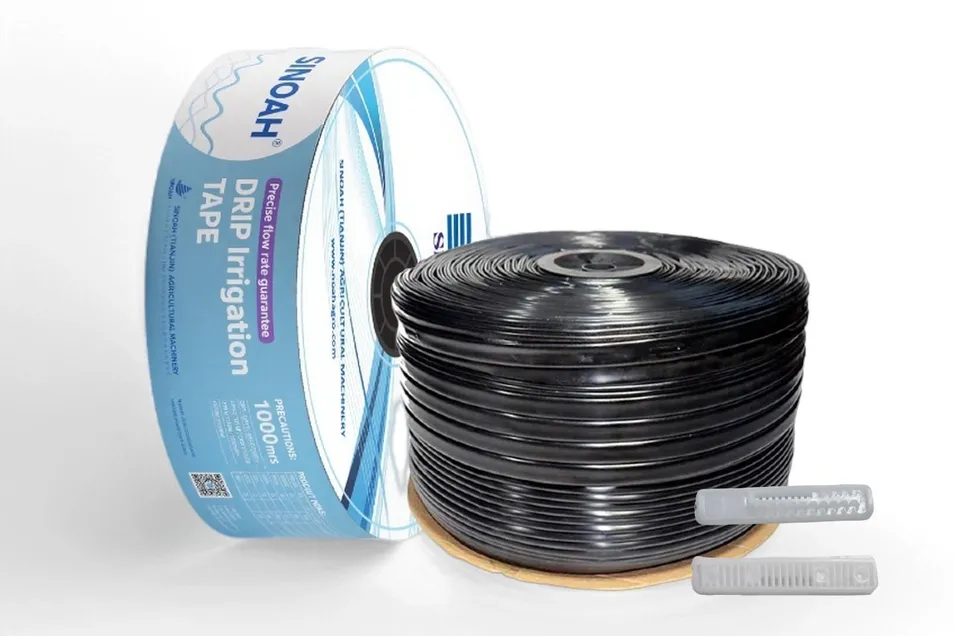
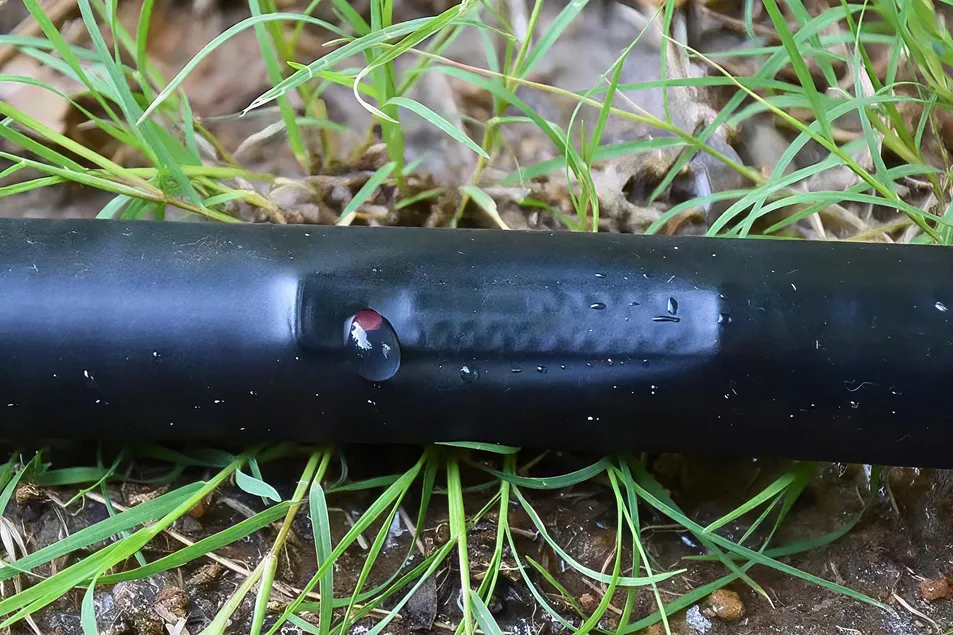
Drip Tape Overview
Key Features of Drip Line

Key Features

💧
Seamless Thin-Wall Construction: Advanced materials resist sun damage. The seamless design prevents weak spots and leaks, making it lightweight and flexible for easy installation.
🛡️
Wall Thickness Options: Ranging from 6 mil (single season) to 16 mil (multi-season heavy duty), catering to various agricultural needs.
⚙️
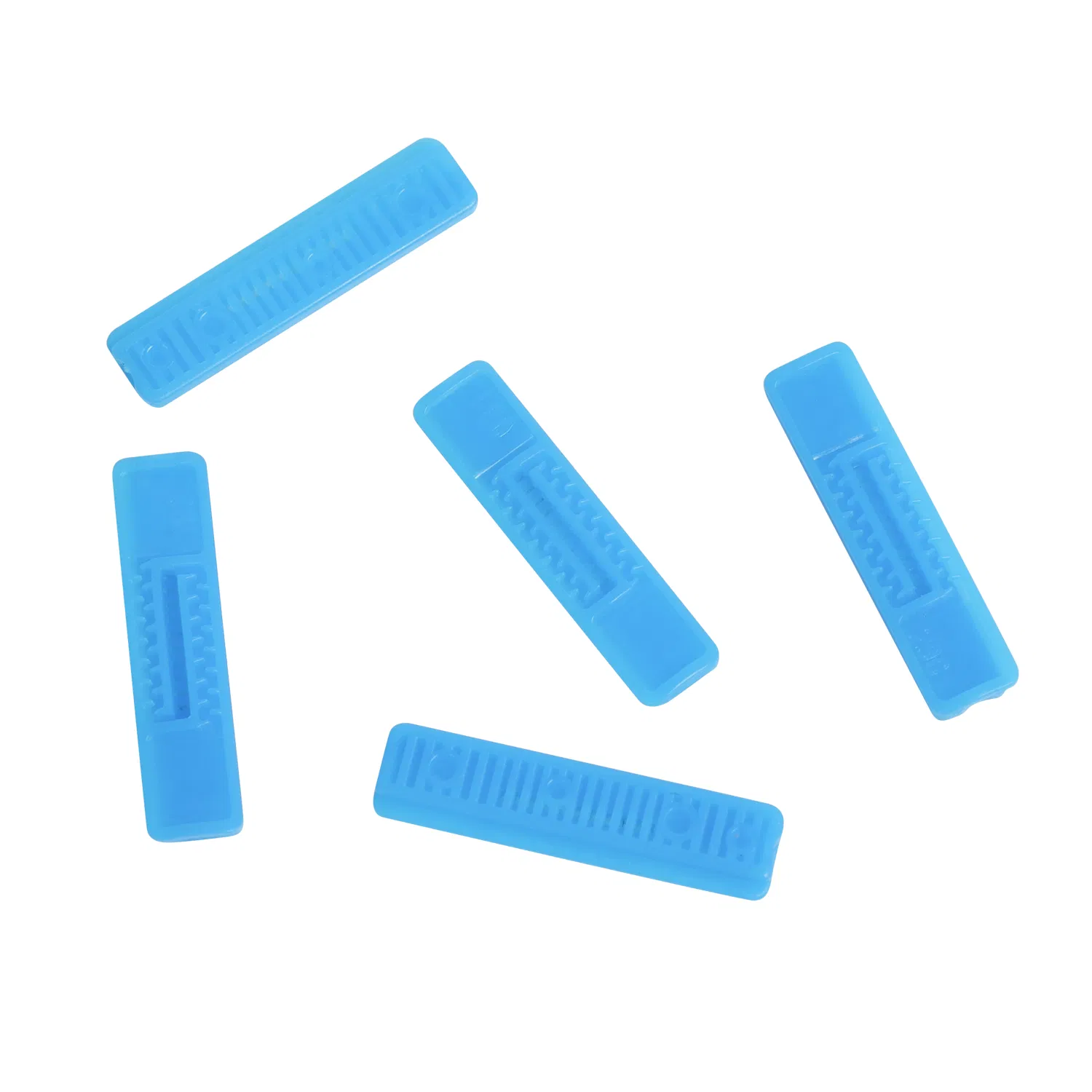
Advanced Emitter Technology: High-quality emitters ensure uniform water distribution, resist clogging, and require minimal maintenance.

Applications & Usage

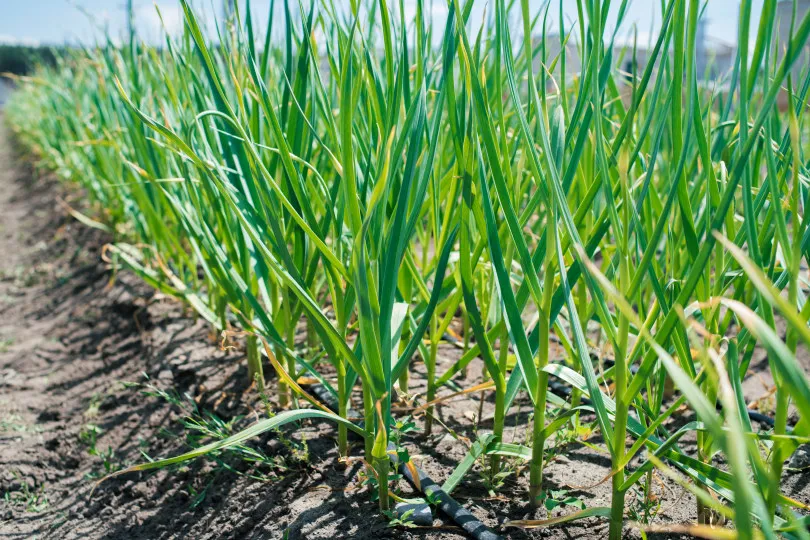
Greenhouse Application
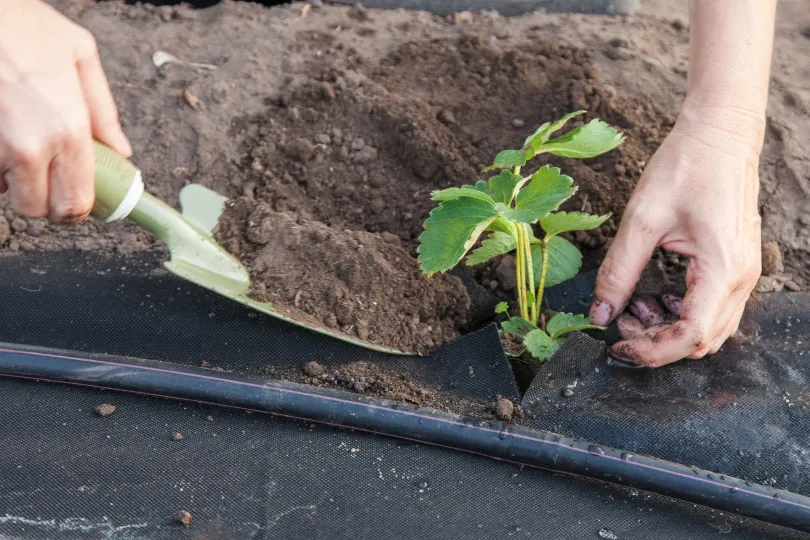
Orchard Application

Ideal for greenhouse crops, orchards, and field vegetables like cotton and watermelon. It helps reduce disease, save fertilizer, and improve mechanized planting efficiency.
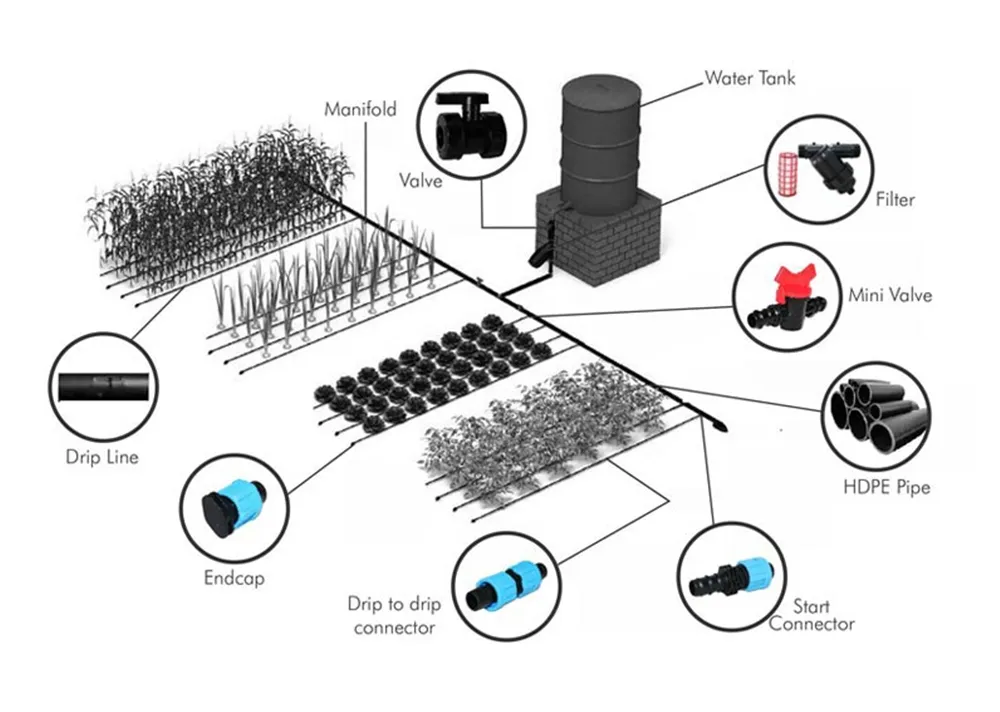
Step-by-Step Installation

1Lay Mainline: Lay poly tubing from the water source and connect drip tape using leak-free fittings.
2Connect Water: Use a Timer, Backflow Preventer, Filter, and a 10 PSI Pressure Regulator.
3Punch Holes: Use a punch tool to make clean holes in the mainline aligned with garden rows.
4Connect Tape: Attach drip tape to barbed fittings. Ensure emitter holes face upwards.
5Roll Out & Bury: Unroll carefully. Burying the tape about an inch helps protect it from UV damage.
6Flush & Cap: Flush the system with water to clear debris before securing end caps.
Installation Guide Details

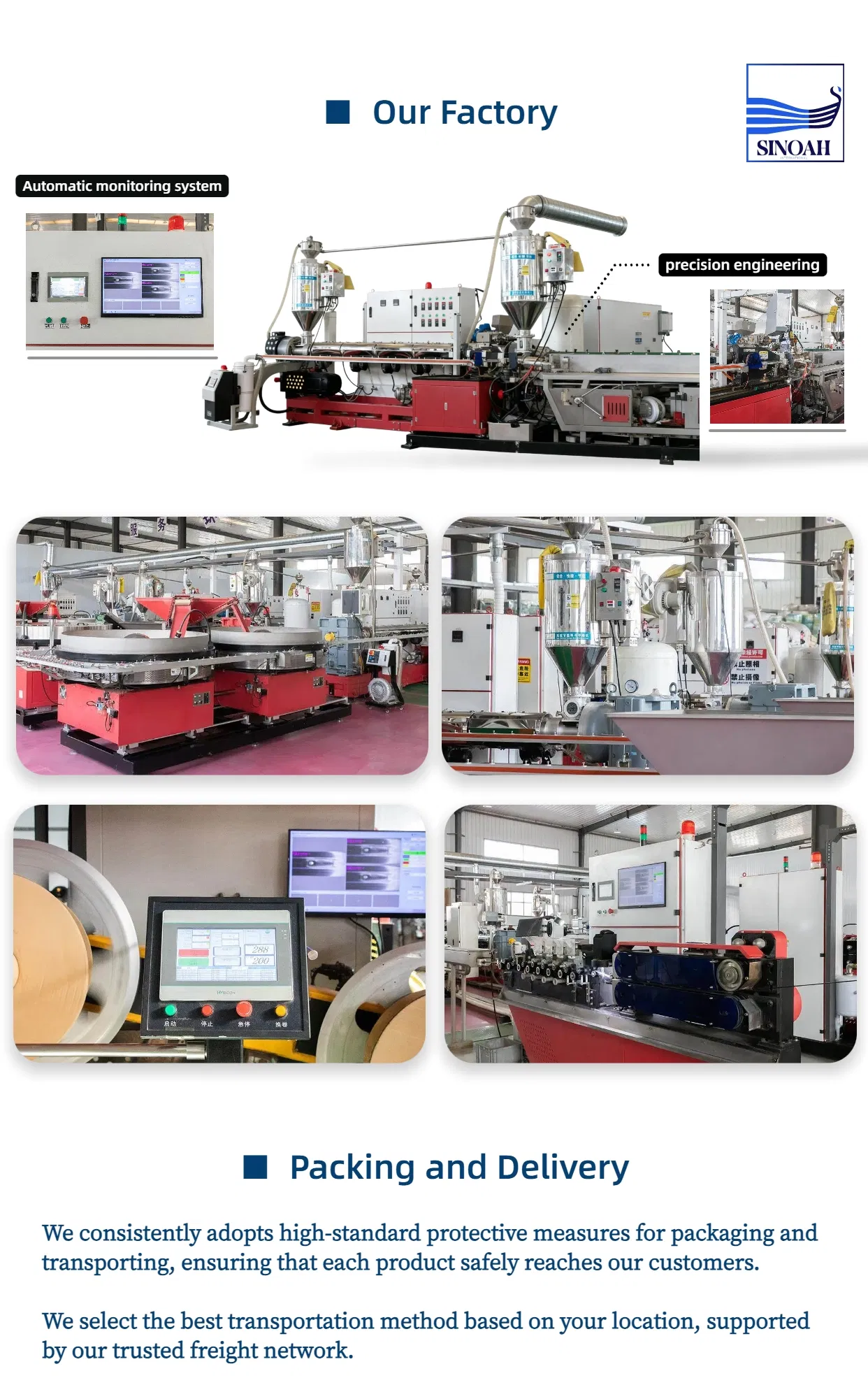
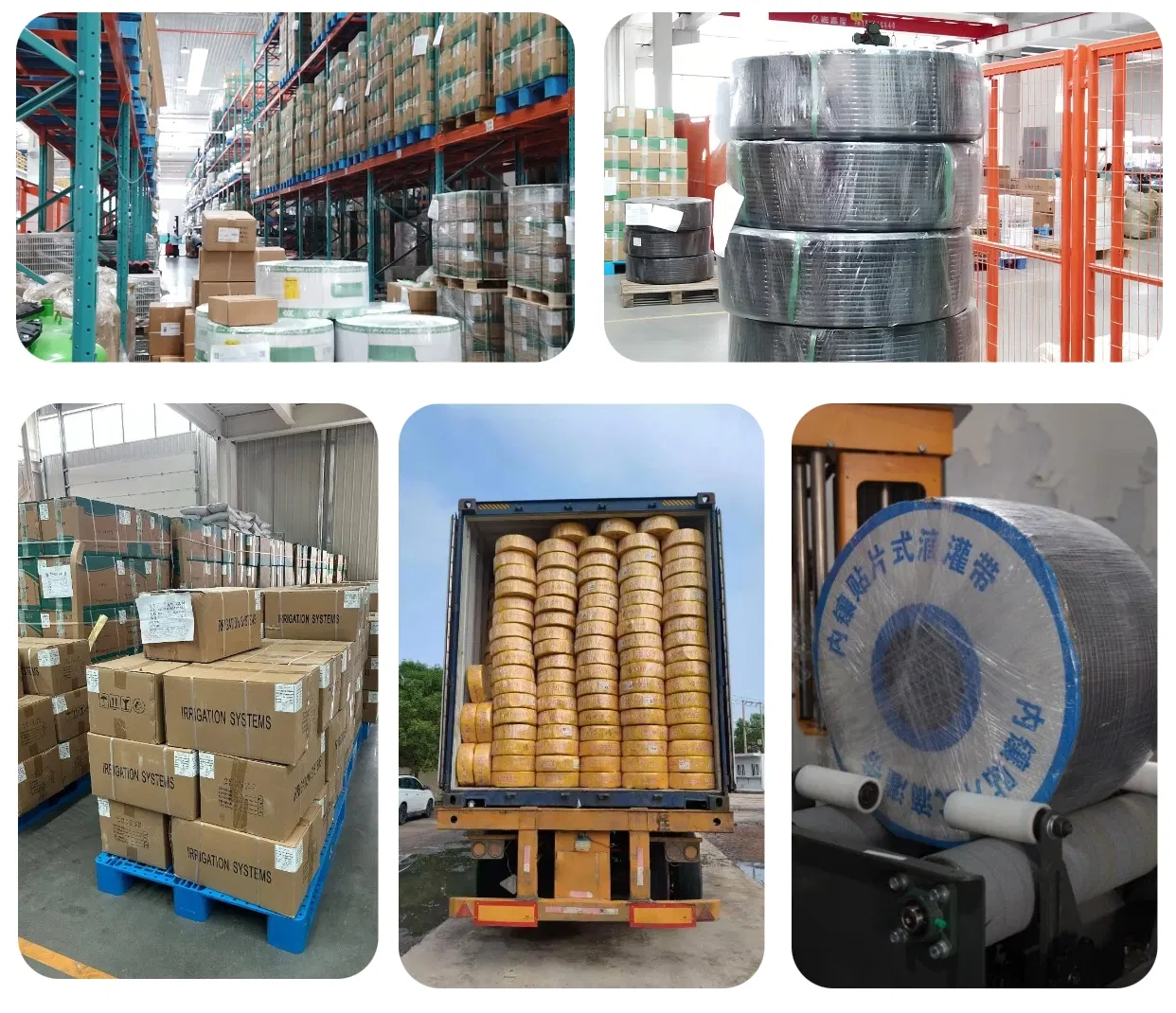
Production Excellence

Production Video Cover
Facility 1
Facility 2
Facility 3

Frequently Asked Questions

Q1: What scenarios are drip tapes suitable for?
A: They are best for long, straight planting areas like vegetable rows and field crops. They are not recommended for curved or uneven terrain.
Q2: Why must drip tapes operate under low pressure?
A: Drip tapes have thin walls. High pressure can cause them to burst. A pressure regulator (8–15 PSI) is essential.
Q3: Can drip tapes be buried underground?
A: Yes, they can be used for subsurface irrigation. Always ensure the emitters face upwards to prevent clogging from soil particles.
Q4: How long does drip tape usually last?
A: 6 mil tape typically lasts 1 season. Thicker tapes (10–15 mil) can last 3–5 years depending on UV exposure and maintenance.
Q5: Does the system require a water filter?
A: Yes. A 150-200 mesh filter is highly recommended to prevent sand and sediment from clogging the small emitter pathways.
Q6: Can drip tape be used on sloped land?
A: For slopes under 3%, standard turbulent emitters work well. For steeper slopes, pressure-compensating (PC) drip tapes are required for uniform watering.

Related Products