Guangzhou FSG Logistics Co., Ltd. is a leading provider of comprehensive global logistics solutions, specializing in express air cargo, ocean freight, and railway logistics services. Founded in 2011 in Guangzhou, China, the company has rapidly grown into a trusted partner for businesses seeking reliable, efficient, and cost-effective supply chain solutions under its flagship brand FSG TransLink.
Starting as a small freight forwarding company, FSG Logistics quickly expanded its capabilities to cover multimodal transportation, including air, sea, and rail, providing flexible and scalable solutions for clients across industries. The company's services include customs clearance, freight consolidation, inventory management, last-mile delivery, and supply chain consulting, ensuring shipments reach their destinations safely and on time.
FSG TransLink leverages advanced logistics technology, including real-time tracking, route optimization, and warehouse automation, to deliver seamless freight management. The company also specializes in handling temperature-sensitive cargo, hazardous goods, and high-value shipments, providing risk management and freight insurance solutions for complete peace of mind.
Committed to operational excellence, sustainability, and customer satisfaction, Guangzhou FSG Logistics Co., Ltd. continuously innovates to meet the evolving needs of global trade. By combining expertise, technology, and a customer-centric approach, FSG TransLink empowers businesses to expand internationally, optimize supply chains, and achieve reliable, professional, and efficient logistics services worldwide.
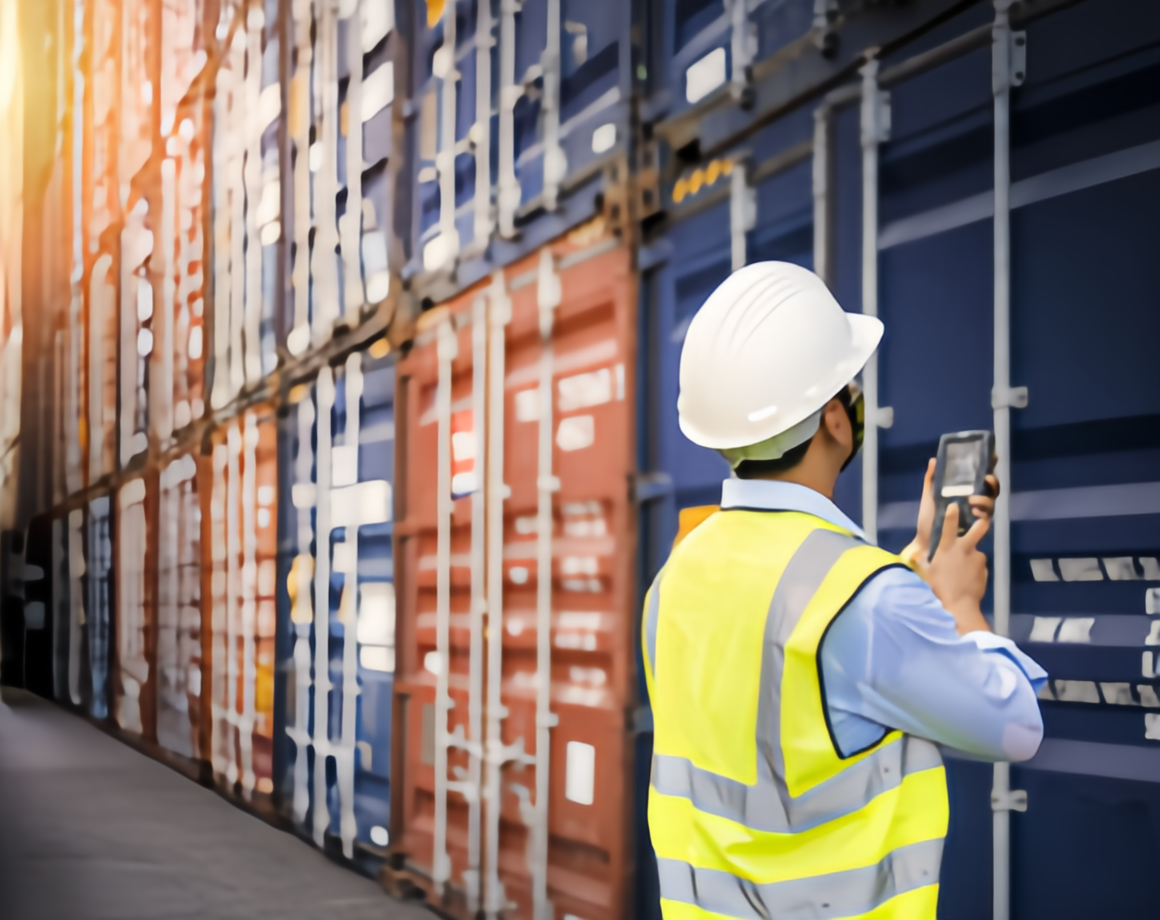

As the world shifts toward sustainable energy frameworks and complex power grid systems, the demands placed upon global logistics infrastructures have transformed dramatically. We stand at the intersection of regulatory compliance, safety engineering, and large-scale industrial movement.
Energy logistics encompasses the transport of traditional fossil fuel refinement equipment, chemical processors, renewable wind turbine components, photovoltaic modules, and battery energy storage systems (BESS). Moving these items requires engineering precision. From planning oversized road freight routes to booking deep-sea transport capacity and organizing rail shipping via major transport corridors, the industry demands precise logistics execution.
With international policies demanding decarbonization, factories and exporters must comply with rigorous verification protocols. Chief among these is the CE Certification for equipment destined for the European Economic Area (EEA). Without compliant logistics pipelines, shipping high-capacity machinery, chemical processing agents, or dangerous electrical infrastructures across borders can lead to customs hold-ups, regulatory fines, and supply chain delays.
Today's energy logistics systems must address multiple priorities:
Integrating express air cargo routes, maritime containers (FCL/LCL), and rail transit lines to optimize transit time and cost across international corridors.
Strict safety measures for temperature-sensitive cargo, hazardous goods, and delicate electrical systems, utilizing patented detector tools and secure processes.
Ensuring compliance with international customs requirements, including import/export declarations, safety ratings, and local destination procedures.
For industrial operators, the value of a logistics partner lies in their practical field experience and ability to solve problems on the ground. Whether managing cold chain systems for raw chemical materials or resolving complex customs challenges at busy export hubs like Qingdao, FSG TransLink brings specialized industry expertise to every shipment.
Logistics for the energy sector requires tailored solutions that match the regulations and infrastructure of specific trade lanes. Below are typical application scenarios handled by modern freight networks:
Land-based transportation using rail networks offers a reliable alternative to sea freight for landlocked destinations. Rail links connecting logistics hubs to Moscow provide predictable transit times for machinery, heavy steel structures, and electrical components. Using specialized flatcars and temperature-regulated containers, companies can ship sensitive equipment safely over long distances.
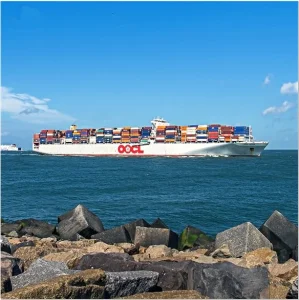
Managing bulk exports requires efficient customs procedures. Ocean transit routes from large industrial hubs like Qingdao rely on coordinated customs clearance services. Proper documentation, cargo inspections, and port handling are essential to prevent delays when moving chemical coatings, conveyor systems, and bulk machinery to international buyers.
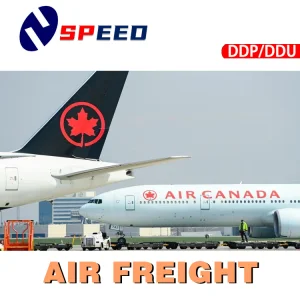
For modern buyers, delivery terms like DDP (Delivered Duty Paid) simplify international procurement. Handling import duties, port fees, and final-mile delivery helps exporters provide a smoother purchasing experience. Using fast-ship services combined with integrated regional distribution networks ensures reliable door-to-door transit for energy sector equipment and components.
The integration of smart technologies is reshaping the future of logistics management. Automated warehouses, intelligent routing systems, and real-time tracking are becoming standard requirements for global supply chains.
To maintain efficiency, modern logistics providers are adopting several technological improvements:
Through these technical solutions, Guangzhou FSG Logistics Co., Ltd. (FSG TransLink) helps global businesses manage their logistics challenges, reduce risks, and achieve more reliable international delivery.
Why is CE Certification important for energy industry logistics and equipment?
CE certification indicates that products sold in the European Economic Area meet high safety, health, and environmental protection standards. For logistics companies, verified CE status helps ensure smooth customs clearance and prevents regulatory issues at European ports.
How does FSG TransLink handle hazardous chemicals and sensitive components?
FSG TransLink uses specialized handling procedures, certified containers, and real-time monitoring to transport hazardous materials, chemical additives, and high-value cargo in compliance with international transport regulations.
What are the advantages of rail freight over sea and air shipping?
Rail freight offers a middle ground between sea and air transport, providing faster transit times than ocean shipping and lower costs than air cargo, making it a reliable option for transcontinental land routes.
What does DDP (Delivered Duty Paid) cover for international shipments?
Under DDP terms, the seller handles all transport responsibilities, including import clearance, customs duties, and local taxes, delivering the goods directly to the buyer's specified destination with minimal effort required from the recipient.
 FSG Logistics