The global cross-border e-commerce sector has transitioned from a localized retail channel into an industrial-scale engine of international trade. To remain competitive, modern factories and exporters are forced to bypass multi-tiered regional distribution networks in favor of direct-to-consumer and direct-to-retail supply chain frameworks. As global consumer demand exhibits high volatility and rapid shifts, legacy logistics configurations struggle to cope with the complex requirements of dynamic routing, immediate customs validation, and granular tracking.
In the modern industrial context, cross-border e-commerce logistics must be evaluated through the lens of multimodal architecture. Ocean freight acts as the cost-efficient baseline for bulk replenishments, railway transit represents the mid-tier stability anchor for transcontinental Eurasian corridors, and express air freight secures the rapid-response capability necessary for high-value SKU operations. Optimizing this multi-tiered supply chain requires factories to form strategic alignments with specialized logistics providers capable of executing unified freight consolidation, dynamic transshipment routing, and compliant last-mile execution.
The transition toward digitalized supply chain structures is not merely an operational efficiency goal; it is a structural necessity under Google's Merchant Quality and E-E-A-T paradigms. Exporters who integrate end-to-end trace-and-track solutions alongside automated customs declarations achieve a significant market advantage, avoiding transit friction, reducing warehouse overhead, and ensuring consistent customer satisfaction.
Established in 2011 in Guangzhou, China, Guangzhou FSG Logistics Co., Ltd. has established itself as an authoritative leader in global multi-modal supply chains. Operatng under its prestigious flagship brand FSG TransLink, the company facilitates high-efficiency international trade lanes by providing comprehensive express air cargo, ocean freight, and railway logistics services.
Beginning as a localized freight forwarding operator, FSG Logistics systematically scaled its infrastructure to construct a seamless, multi-modal transport platform. The company's functional scope incorporates cross-border custom brokerage, high-security cargo consolidation, smart inventory allocation, and automated last-mile distribution. By leveraging cutting-edge tracking platforms and predictive routing engines, FSG TransLink ensures that complex global supply chain configurations operate with absolute predictability.
"Through operational excellence, technological innovation, and deep regulatory compliance, FSG TransLink empowers factories and exporters to bypass traditional logistics bottlenecks, realizing seamless global scale and verified supply chain resilience."

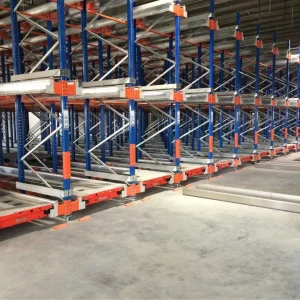
Beyond standardized freight operations, FSG TransLink maintains specialized processing structures for high-value electronics, hazardous materials (HAZMAT Class 2.1/2.2), temperature-sensitive cold chain networks, and complex industrial components. The company's engineering division integrates automated warehouse structures, including Radio Shuttle systems, with prefabricated modular storage designs to construct robust distribution nodes close to key oceanic and inland ports.
This deep domain expertise ensures that complex regulations, insurance frameworks, and risk profiles are handled with professional rigor, guaranteeing that global supply chains maintain operation even amidst challenging market conditions.
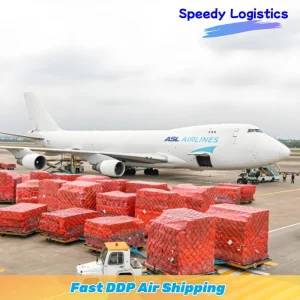
Executing high-priority transcontinental air transport corridors targeting the USA, Canada, Mexico, and India. Integrating air freight logistics with local duty-paid clearances ensures that high-velocity SKU portfolios maintain optimal inventory turn rates.
Providing direct customs declaration services across major Chinese maritime gateways including Qingdao, Shenzhen, Guangzhou, Shanghai, and Tianjin. Deep integration with local customs systems reduces processing delays and compliance risks.
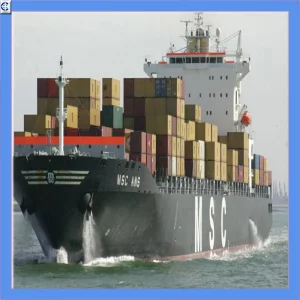
Strategic LCL/FCL ocean freight shipping channels linking Chinese export hubs to primary destinations like Halifax (Canada), Hamburg and Rostock (Germany), and Asuncion (Paraguay). Optimal routing structures secure competitive transit times.
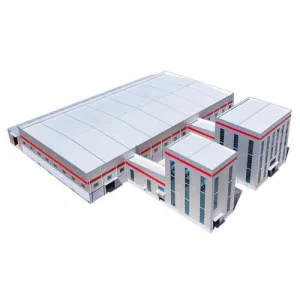
Designing and deploying smart, scalable, prefabricated warehouse infrastructures. These modular installations enable rapid supply chain expansion near major transit corridors, maximizing inventory control efficiency.
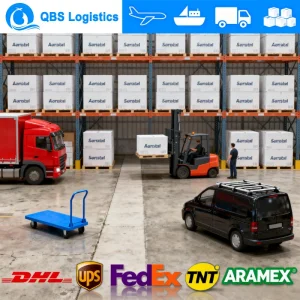
Automated inventory management using Radio Shuttle systems, ideal for high-density applications such as wine, liquor, and industrial components. Robotic pallet management reduces manual handling risks and boosts throughput.
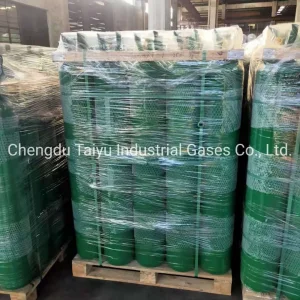
Comprehensive logistics for hazardous substances, specializing in industrial-grade Methoxymethane (DME) gas transport. Compliant with Class 2 chemical shipping protocols, ensuring risk mitigation and safe transshipment.
Direct supply chain optimization linking manufacturing sites to major Southeast Asian markets, such as Thailand door-to-door freight forwarding. Tailored to support sourcing networks like 1688 and factory-direct hubs.
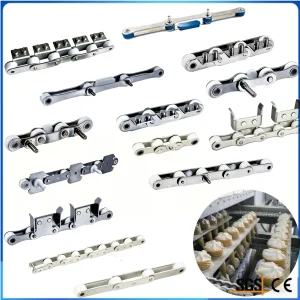
Integrating food-grade stainless steel conveyor belts and low-temperature hardening tunnel systems into shipping nodes. This setup maintains cold chain integrity for sensitive agricultural and food shipments.
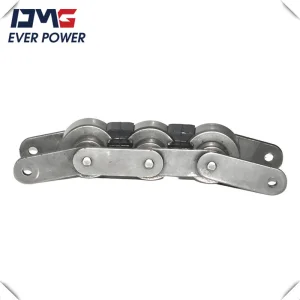
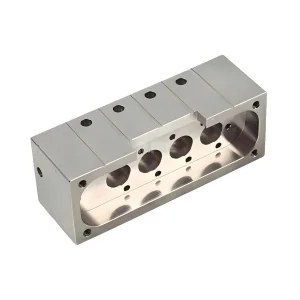
Specialized logistics structures for transporting heavy steel frame structures, CNC machined parts, and heavy-duty stainless steel industrial chains. Handled with tailored loading gear and custom shipping containers.
Providing seamless, fully compliant Amazon FBA shipping options from China to the United States. Our double-clearance, tax-inclusive DDP model ensures your goods reach Amazon fulfillment centers smoothly, with no hidden customs fees or administrative bottlenecks at the destination port.
Success in international trade hinges on navigating regional regulations and compliance standards. Exporters targeting major consumer markets must stay aligned with localized legal frameworks to prevent customs holds, seizures, or unexpected tariffs. In the US market, this means keeping pace with evolving Customs and Border Protection (CBP) policies, particularly Section 321 de minimis regulations. As regulatory scrutiny increases, having structured electronic customs declarations in place is essential for ensuring smooth import processing.
In Europe, compliance requires strict adherence to the Import Control System 2 (ICS2) and the Carbon Border Adjustment Mechanism (CBAM) for structural steel and metals. Working with an experienced logistics partner like FSG TransLink ensures that products like CNC machined parts or steel frame structures are backed by verified CE, RoHS, and ISO9001 certifications. This comprehensive documentation safeguards your shipments, ensuring smooth clearance and keeping your supply chain moving.
The logistics sector is undergoing a major shift driven by artificial intelligence, real-time tracking, and automated fulfillment. The future of global trade will rely on systems that predict supply chain bottlenecks before they happen. By utilizing AI-driven route optimization, carrier schedules, historical weather patterns, and harbor performance data can be analyzed to dynamically adjust shipments, keeping transit times reliable and predictable.
Futhermore, integrating IoT sensors into container tracking provides real-time visibility into cargo conditions, monitoring everything from location and temperature to sudden shifts. This level of detail is crucial for handling sensitive cold chain goods, high-value CNC components, or chemical compounds. As supply chains evolve, aligning with technologically advanced logistics providers ensures exporters can protect their products and keep transit times consistent, no matter the challenges ahead.
"By combining physical infrastructure with advanced data management platforms, modern exporters can turn their supply chains from simple cost centers into highly responsive, strategic assets."
Under Delivered Duty Paid (DDP), the seller bears all responsibilities, risks, and costs, including import clearance, duties, and taxes, until the goods reach the destination. Under Delivered Duty Unpaid (DDU), the buyer is responsible for handling import customs clearance and paying any local duties or taxes upon the cargo's arrival.
By working directly with major air carriers and maintaining block space agreements (BSAs) on key trade lanes, FSG TransLink secures reliable cargo space and stable pricing, even during peak shopping seasons.
Shipping class 2.1 dangerous goods requires certified UN-approved packaging, proper hazard labeling, and detailed MSDS documentation. It must comply with IMDG codes for maritime transport and IATA regulations for air cargo.
Yes, our prefabricated steel warehouse options are fully customizable. They can be scaled to fit specific site conditions and optimized to integrate smoothly with automated sorting systems, conveyor belts, or Radio Shuttle inventory setups.
 FSG Logistics